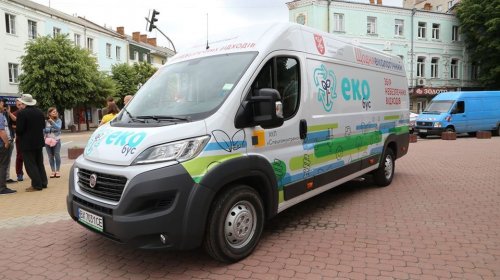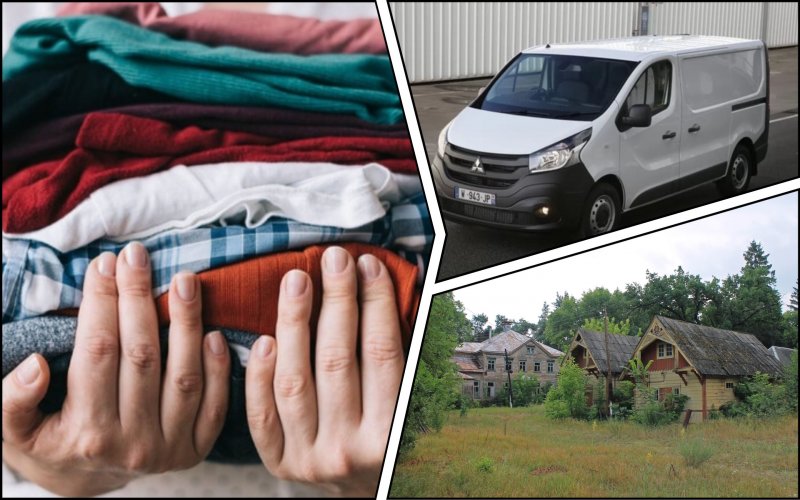
In Kharkiv region, ecoactivists have launched a project to deploy mobile ecohubs to villages and small communities in the region.
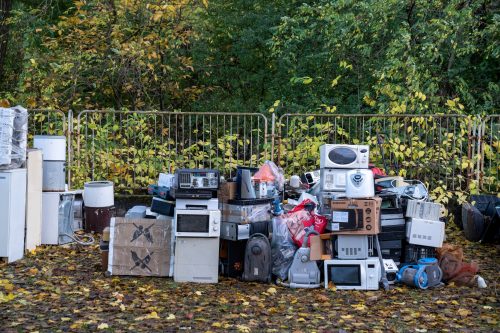
Unnecessary clothes, shoes, toys, construction materials, as well as secondary raw materials for recycling can be returned to the ecohub for reuse, Kharkiv Zero Waste reports on Facebook.
It is noted that the residents of the communities will also be able to take the things they need from the eco-hub. The mobile point will be open every week.
"If you live in a small settlement of Kharkiv region and dream of getting into an ecohub, then we have great news for you – an ecohub can come to you," ecoactivists wrote.
You can:
- take clothes, shoes, dishes, toys, etc. for reuse for free or for a nominal fee;
- give your textile items for repair;
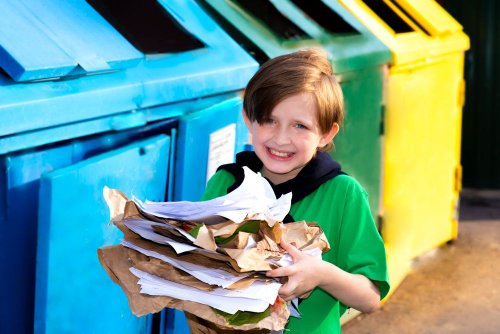
- bring waste (paper, glass, plastic) for recycling and get a discount on items taken;
- to bring extra building materials or things after construction and repair and to participate in the reconstruction of destroyed housing in Dergachyvska hromada.
It is noted that residents of the Kharkiv region can submit an application for the arrival of an ecohub to their community for link. For additional information, please call: 063 847 08 52 (Evgenia).
Earlier, EcoPolitic wrore, that Kharkiv eco-activists handed over things collected as part of the i.e. reuse, to displaced persons and vulnerable residents of the Zmiiv community. Such an initiative simultaneously helps people and the environment.
As EcoPolitic previously reported, eco-activists called on Kharkiv residents to hand over metal cans and corrugated cardboard for making trench candles.