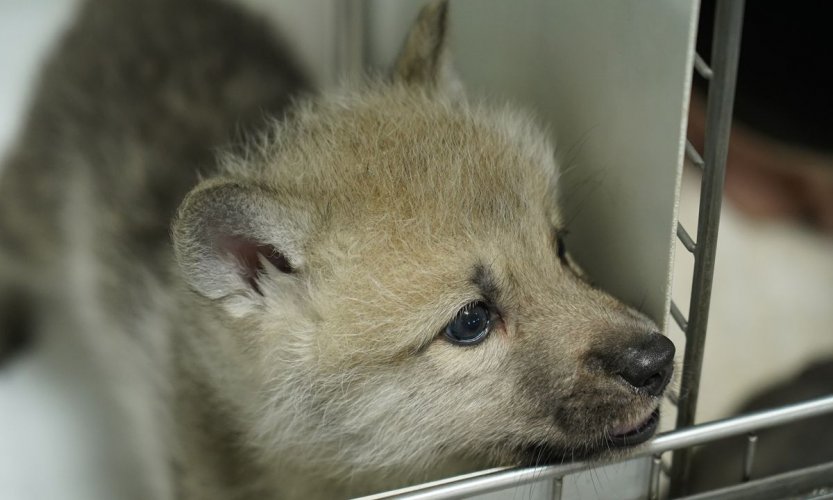
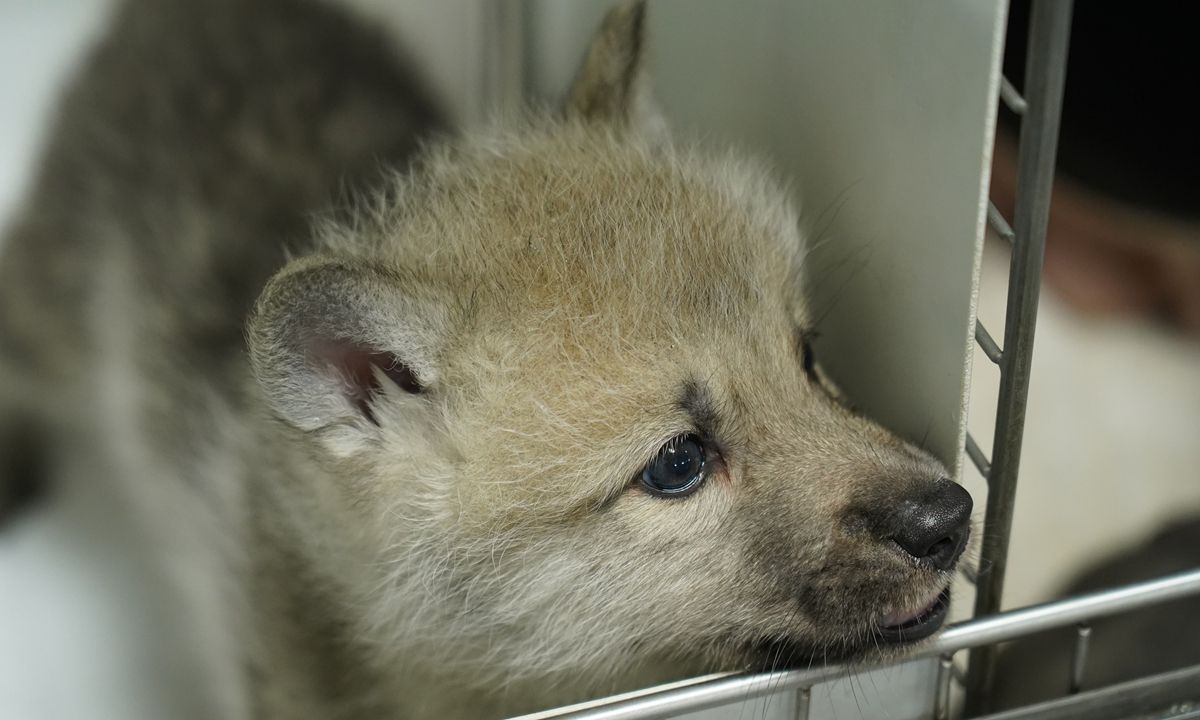
For the first time in the world, geneticists from China have successfully cloned the wild arctic wolf Maya, whose species is included in the Red Book of endangered species.
Experts believe that the development of cloning technologies will help save endangered animals and preserve biodiversity, reports Global Times.
The Birth of Maya continues the life of a wild female polar wolf who was imported from Canada in 2006 and died in 2021, also named Maya.
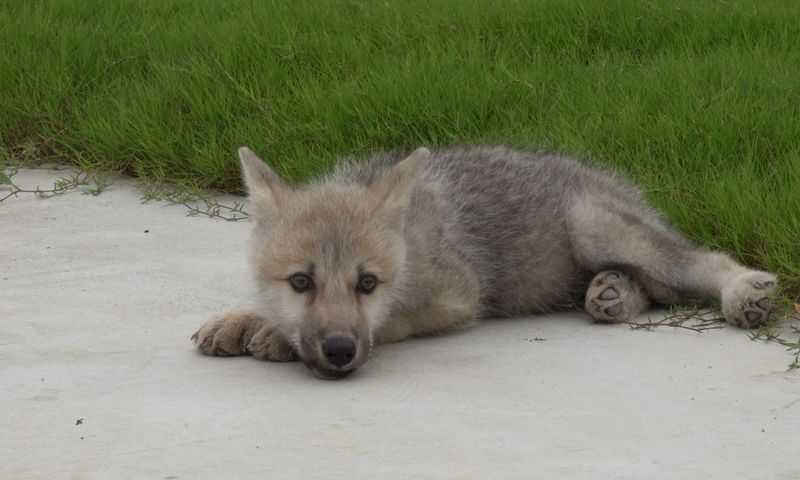
Scientists at Sinogene Biotechnology have been working on cloning since 2020.
Maya's donor cell comes from a skin sample of a wild female arctic wolf, which was imported from Canada to the Harbin Polar Land, and the animal's surrogate mother was a female beagle. After all, wolves and dogs are genetically close.
He Zhengming, head of the China Research Institute of Experimental Animal Research Resources for Food and Drug Administration, said cloned animals still have the ability to reproduce if they have intact fertilized eggs. Cloning technology can copy all genetic information for selective breeding, and thus diversify the population of endangered animals.
The article noted that since the first clone of a mammal, Dolly the sheep, cloning technology has made it possible to diversify the populations of some species, such as cattle, pigs and horses.
Experts believe that for endangered species, cloning cells preserved by freezing technology can also give birth to new life.
Sinogene Biotechnology Co and Beijing Wildlife Park plan to build a partnership on the application of cloning technologies to preserve the genes of rare and endangered wild animals.
Currently, the cloned she-wolf lives with its surrogate mother in the Sinogene laboratory, and later it will be taken to the Harbin Polarland, where it will be shown to the public. At first, Maya will live alone in the park, because there is a risk that she may not adapt to the original groups of arctic wolves.
Scientists also cloned another Arctic wolf, which will be presented soon.
Earlier, EcoPolitic wrote, that in Norway there are no native wolves left. The last of them disappeared half a century ago.
As EcoPolitic previously reported, scientists in China came to the conclusion that dugong marine mammals are extinct, they probably inspired sailors to tell fairy tales about mermaids, died out.