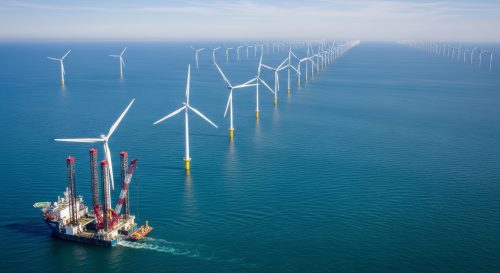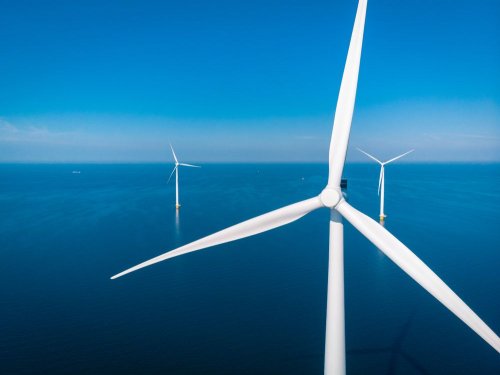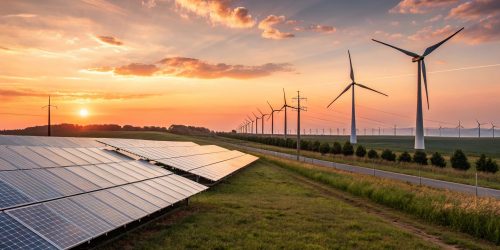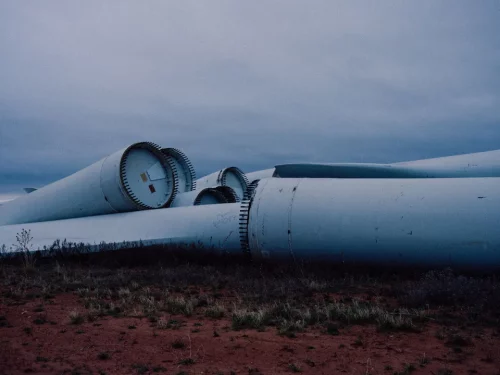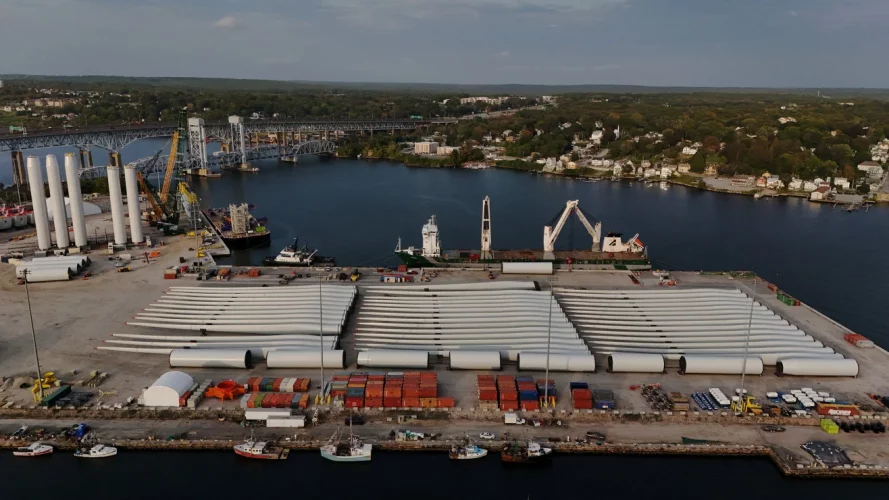
The United States has suspended federal lease agreements for all major new offshore energy projects. The official reason is uncertain risks to national security, while the unofficial reason is the new administration's open confrontation with the wind energy industry.
According to CNN, the projects were supposed to provide clean energy, in particular to the IT infrastructure for AI development. Among the stations whose construction has been put on hold is a 60% complete wind farm in Virginia, which was to become the largest project of its kind in the US.
Abstract "risks" from wind farms
The administration justified its decision by citing risks to national security. These risks were allegedly identified by the Department of War, but it is unclear exactly what dangers are involved.
The Minister of the Interior added a few details, stating that offshore wind farms create radar interference and pose a "real threat to the US."
It is quite telling that Denmark used the same argument last year to block the construction of new wind farms. There, they feared the impact of wind farms on military radars, which have become particularly important due to the escalating situation between the EU and Russia. However, experts then found that the structures could simply be adjusted and there would be no communication problems. And the US knows this.
This makes the grounds for the suspension appear more than contrived, especially given the lack of new information from officials.
“This silence speaks volumes, especially given the president’s long and well-documented opposition to offshore wind energy,” CNN quotes a joint statement from Virginia Senators Mark Warner and Tim Kaine.
Criticism even from unlikely allies
Unexpectedly, this decision sparked criticism not only from proponents of clean energy, but also from representatives of the oil and gas industries. It turned out that these sectors had also invested significantly in offshore wind development.
“We urge the administration to end this pause and refrain from further actions that could harm jobs and investments,” said Erik Milito, President of the National Ocean Industries Association. “The U.S. needs a comprehensive energy strategy that covers all of the above, rather than a wholesale assault on renewable energy based on personal preference,” emphasized Liz Burdock, President and CEO of the Oceanic Network trade group.
EcoPolitic previously reported that the largest solar energy project in the U.S. was quietly cancelled by the Trump administration.
Despite the destructive efforts of the Trump administration, globally, the wind energy sector added 70 GW of new capacity in just the first half of 2025.