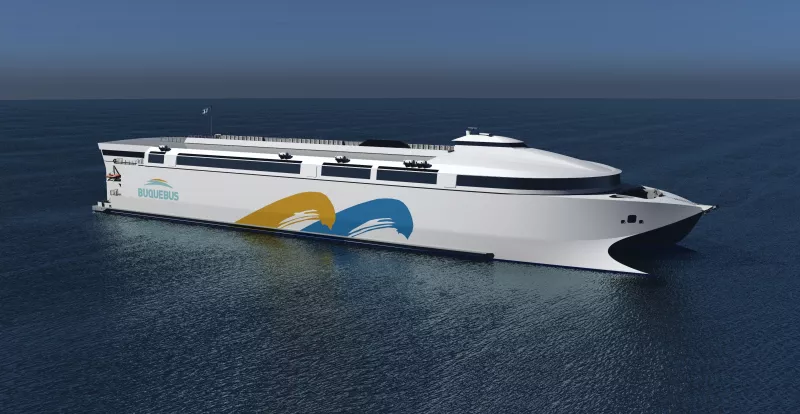
An unusual ship is being tested in the port of Hobart, Australia. The huge 130-meter vessel emits neither the roar of engines nor toxic exhaust fumes, as Hull 096 runs exclusively on electricity.
It is the first electric ship of its kind and size, so the developers had nothing to rely on in their work, according to New Atlas.
A challenge for designers
The creators of the electric ship from Incat Tasmania initially planned for it to be powered by liquefied natural gas. But in 2013, the situation changed and it was decided to make the ship battery-powered. This was primarily influenced by economic factors – fuel prices rose, while battery prices fell. At the same time, electric transport technologies became more efficient.
This project was the most ambitious for the company. First, Hull 096 is the largest ship it has ever built. Second, this ship is the largest of those powered by a battery-electric motor. However, the manufacturers immediately set themselves the highest bar.
“This is not a gradual step forward but a deliberate leap toward what large commercial vessels could be in the future,” emphasized company chairman Robert Clifford.
The road to the first voyage
The Hull 096 hull was launched back in May 2025. However, the main work was still ahead – on its internal systems.
The heart of the ship is a gigantic and unprecedented energy storage system. The "power" for Hull's movement comes from 250 tons of batteries with a record capacity of 40 MW. This figure is four times higher than those used in electric shipbuilding. The batteries provide energy for eight electric water jets.
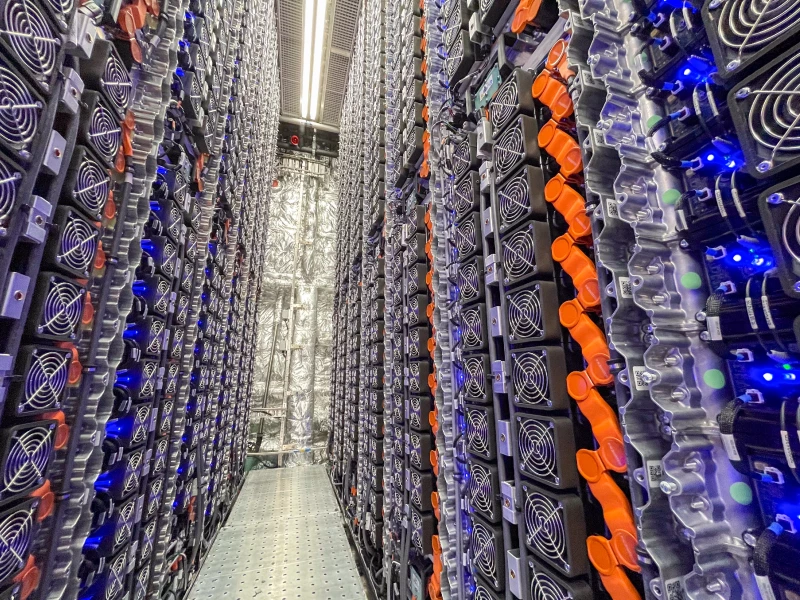
Source: Incat Tasmania.
In December 2025, Hull 096 tested its waterjets on the water for the first time. This was more of a systems check than routine operation. Full-scale harbor trials began in January.
Before the ship, capable of carrying 2,100 passengers and 220 cars, can be sent to North America, it must first undergo sea trials.
Recently, EcoPolitic reported on the first airborne wind power plant. A dirigible equipped with S2000 Stratosphere (SAWES) wind turbines recently completed its test flight in China and transmitted its first energy to the ground via a special cable system.