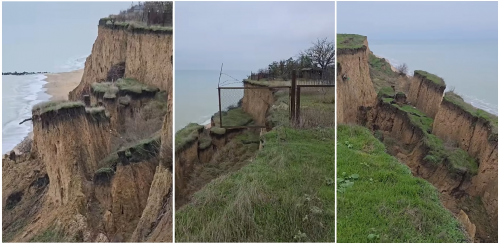
The fertile steppes of southern Ukraine are suffering from desertification. Among the causes are climate, human activity, and indirectly, war.
The Southwestern District Environmental Inspection reported that alarming changes are taking place in the Odesa, Kherson, Mykolaiv, and Zaporizhzhia regions.
Causes and consequences
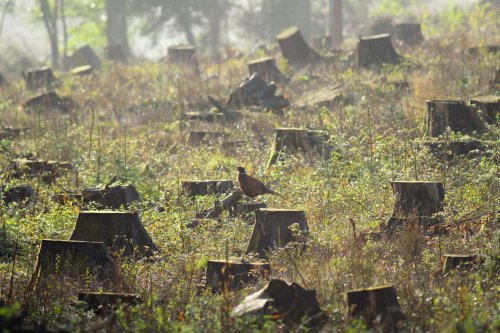
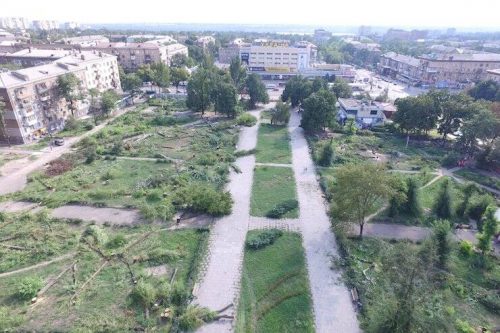
The prerequisites for the transformation of steppes into deserts are global climate change and the human factor—the felling of trees in forest belts and agriculture that is exhausting for nature.
The destruction of the Kakhovka hydroelectric power plant dam and reservoir by the enemy has also had a significant impact. The reservoir supplied water to a permanent irrigation network. Now, having lost moisture, the soil is drying out. As a result, vegetation is disappearing and natural productivity is declining.
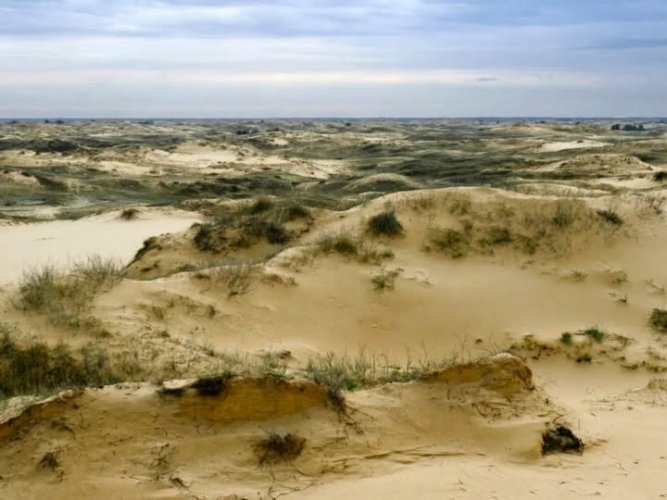
The area of the Oleshky Sands is increasing, as confirmed by satellite imagery. Dust storms have also become more frequent in the Odesa region and are at risk of becoming a permanent feature of the local climate.
Counteracting desertification
The environmental inspectorate insists that the emergence and spread of Ukrainian deserts can only be curbed through joint and decisive action. Among the mandatory measures are:
- restoration of forest belts;
- ecological irrigation;
- rational water use;
- implementation of modern soil protection technologies.