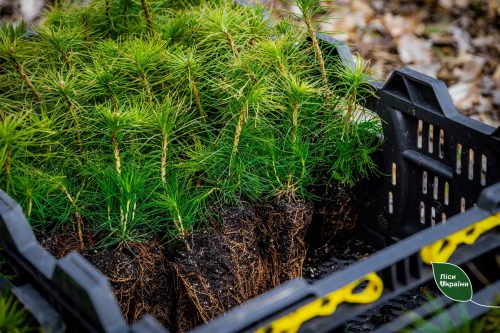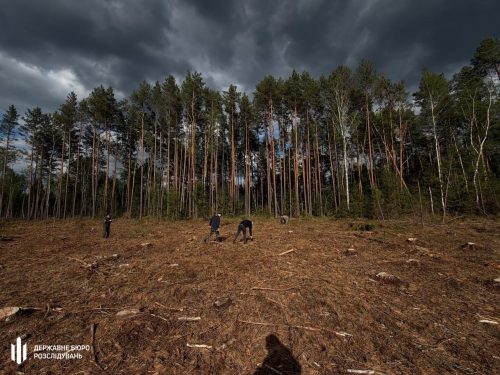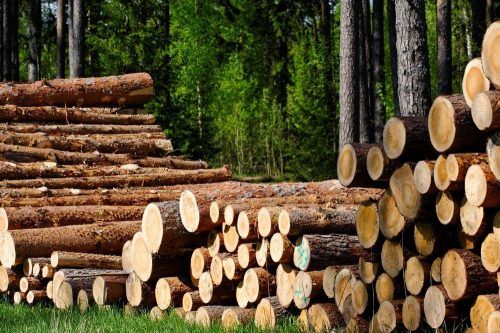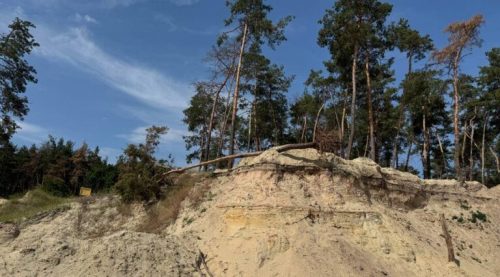
The COP30 climate conference continues in Brazil. Delegates devoted the next stage of discussions to finding mechanisms for the direct preservation of nature, in particular forests. They discussed financial incentives, guaranteeing land rights for local communities, and global fire prevention.
The conference communications group reported on the results of the events on November 17.
Main events
- Breakthrough in forest conservation. At COP30, the largest forest financing mechanism in history was launched. The Tropical Forest Forever Facility (TFFF) is based on a strategy of long-term investments in forest preservation, providing communities with direct access to resources. This will be implemented, in particular, through the Dedicated Grant Mechanism (DGM).
- Land rights for valuable forests have been secured for local communities. The Forest Tenure Funders Group (FTFG) fulfilled its financial obligations a year ahead of schedule. As a result, at COP30, over 30 donors and governments renewed their support for this initiative. The program includes $1.5–2 billion by 2030 aimed at guaranteeing local communities’ rights to forest lands. This year’s conference also approved an Intergovernmental Commitment on Land Rights, a historic document recognizing and strengthening the rights of Indigenous Peoples to 160 million hectares of forests. Fourteen countries, including Brazil, Norway, and Peru, have already endorsed this commitment.
- Payments for reducing deforestation. The Scaling JREDD+ coalition was launched. Instead of supporting individual projects, it envisions payments to entire countries or regions for measurable reductions in deforestation rates, encouraging forest preservation. The initiative is capable of raising $3–6 billion annually by 2030. JREDD+ is part of the larger Forest Finance Roadmap, which is supported by 36 countries that account for 65% of global GDP and oversee 45% of the planet’s forests.
- Bioeconomy as a strategic direction. At COP30, the three-year Bioeconomy Challenge platform was officially launched. Its purpose is to implement in practice the 10 high-level bioeconomy principles defined at the G20, focusing on new production methods and economic development based on nature conservation, decarbonization, and human-centric approaches.
- Fire prevention. COP30 presented the Global Fire Management Center, which will coordinate data exchange, improve early warning systems, and train specialists. By 2028, the goal is to enhance fire risk management across 10 million hectares.
- Reducing methane emissions. The “methane status” report shows the emission reduction target for this gas is entirely achievable. However, it is necessary to improve the effectiveness of measurement, reporting systems, and financial incentives for economies.
Previously, the world's leading climate event focused on the educational, medical, and legal aspects of combating climate change.
For the first time, COP addressed the issue of combating disinformation, which is recognized as a risk to the joint environmental efforts of states.
The Ukrainian delegation is also working on the sidelines of the conference. Officials invited partners to join in the restoration of Ukraine's forests, in particular by assisting with demining.