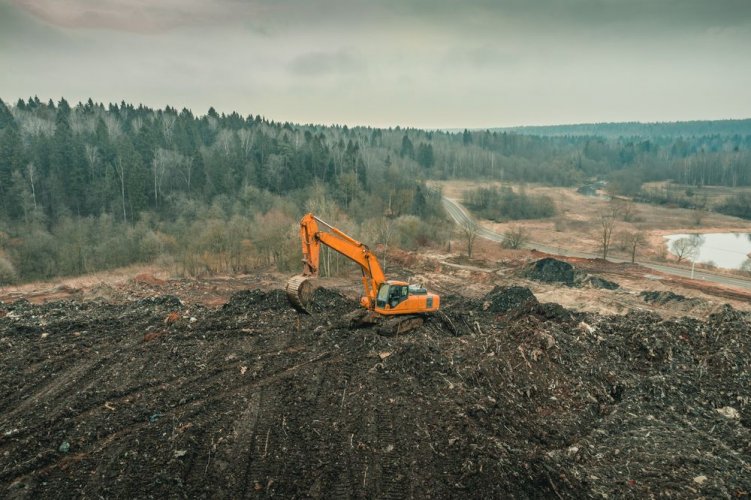
The waste situation in Ukraine is close to critical. Outdated landfills are overflowing, and Ukrainians continue to generate about 10 million tons of solid household waste every year. Industry contributes a huge share, and during a full-scale war, the enemy also contributes by turning houses, buildings, and infrastructure into construction waste.
EcoPolitic looked into the main problems in the waste industry and how each of us can improve the situation a little at the household level.
Waste recycling – in its infancy
According to estimates by the All-Ukrainian Ecological League, Ukraine recycles only 7% of its waste. For comparison, in Germany, Austria, Denmark, Belgium, and a number of other EU countries, this figure is over 50%.
Ukraine needs 207 waste recycling facilities to fully recycle solid household waste. This estimate was presented back in 2023 by the now defunct Ministry of Environmental Protection.
There are several hundred waste processing enterprises in Ukraine. However, it is difficult to call them full-fledged waste processing plants. They often specialize only in a specific type of recyclable material or in sorting.
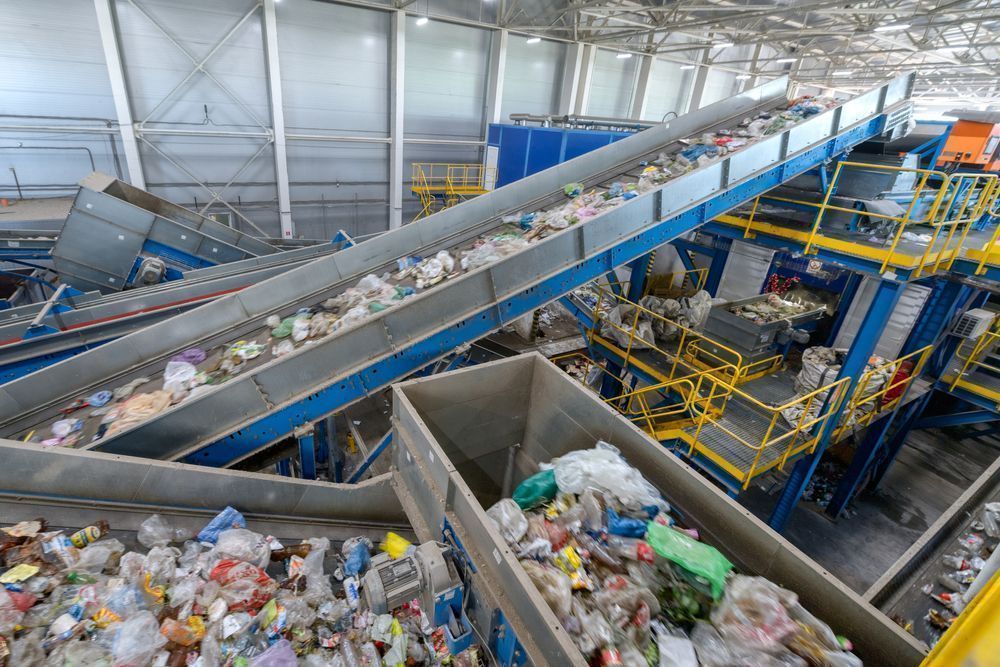
Waste processing plant
Imperfect local disposal systems
Collection, sorting, and disposal of waste primarily fall within the competence of local communities. Not every community has the resources or capacity to bring this system up to European standards.
Foreign partners assist partially in transforming waste management, such as the government of Sweden with its WM4U program. However, this is only targeted support, which is insufficient for a comprehensive solution to the problem.
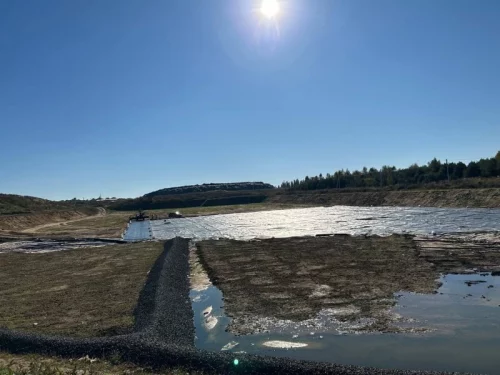
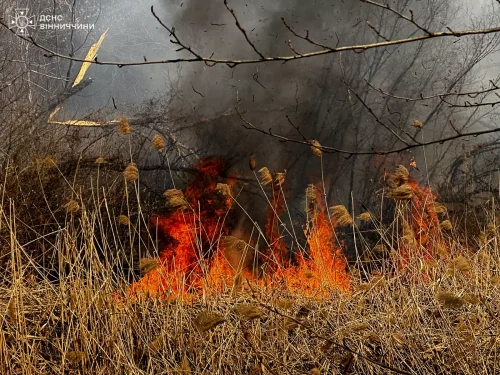
Old city planning prevents landfills from being expanded to accommodate additional containers. During wartime, cities lack funds to purchase new garbage trucks. Regional landfills are often overfilled, do not meet current standards, and frequently cause disasters, as seen in Lviv region and Poltava region.
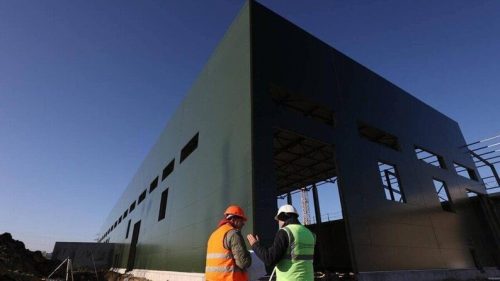
After the tragedy at the Hrybovychi landfill near Lviv, construction began on a waste processing plant. In 10 years, it is only 80% complete, and the contractor has missed construction deadlines.
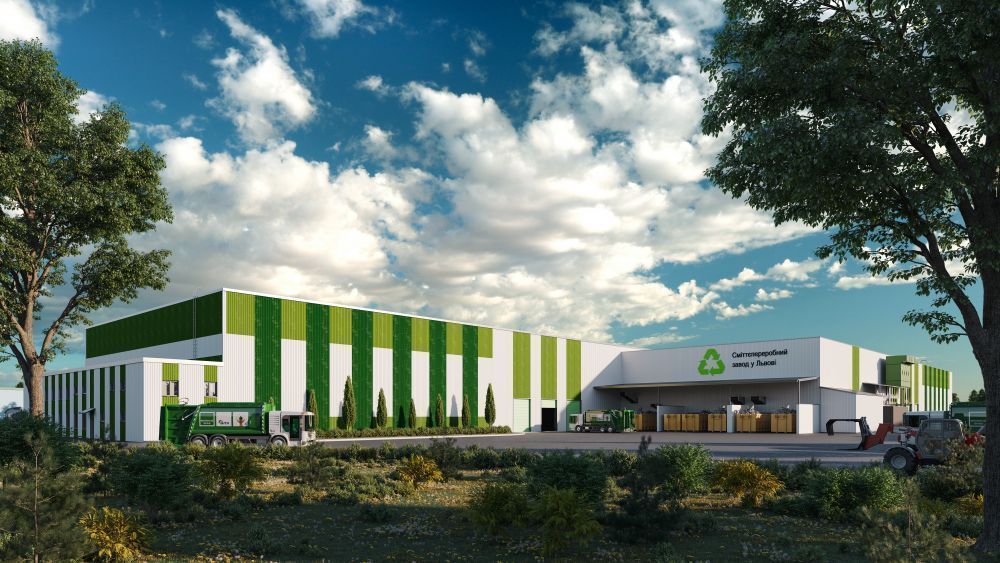
Waste processing plant in Lviv
Illegal landfills
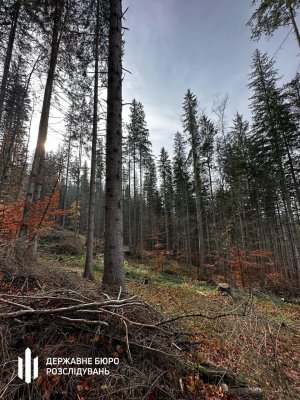
The population, entrepreneurs, and in some instances even regional officials contribute to environmental pollution with various types of waste. Some people dump construction debris in the grove outside the village, others discharge livestock waste onto a meadow by the river. There are innumerable variations in reports from the State Environmental Inspection, but the environment always suffers, and with it, people – toxic substances and heavy metals enter soil, water, and air. This also places additional pressure on local budgets, with communities allocating funds every year to eliminate illegal dumpsites.
We must remind you that unauthorized dumping of waste is subject to liability. For violating public amenity rules under Article 152 of the Code of Ukraine on Administrative Offenses, the offender will be fined from 340 to 1360 UAH.
Additionally, environmental damage is calculated separately, for which the violator will also have to pay. Depending on the quantity and type of waste, the amount can reach into the millions of hryvnias.
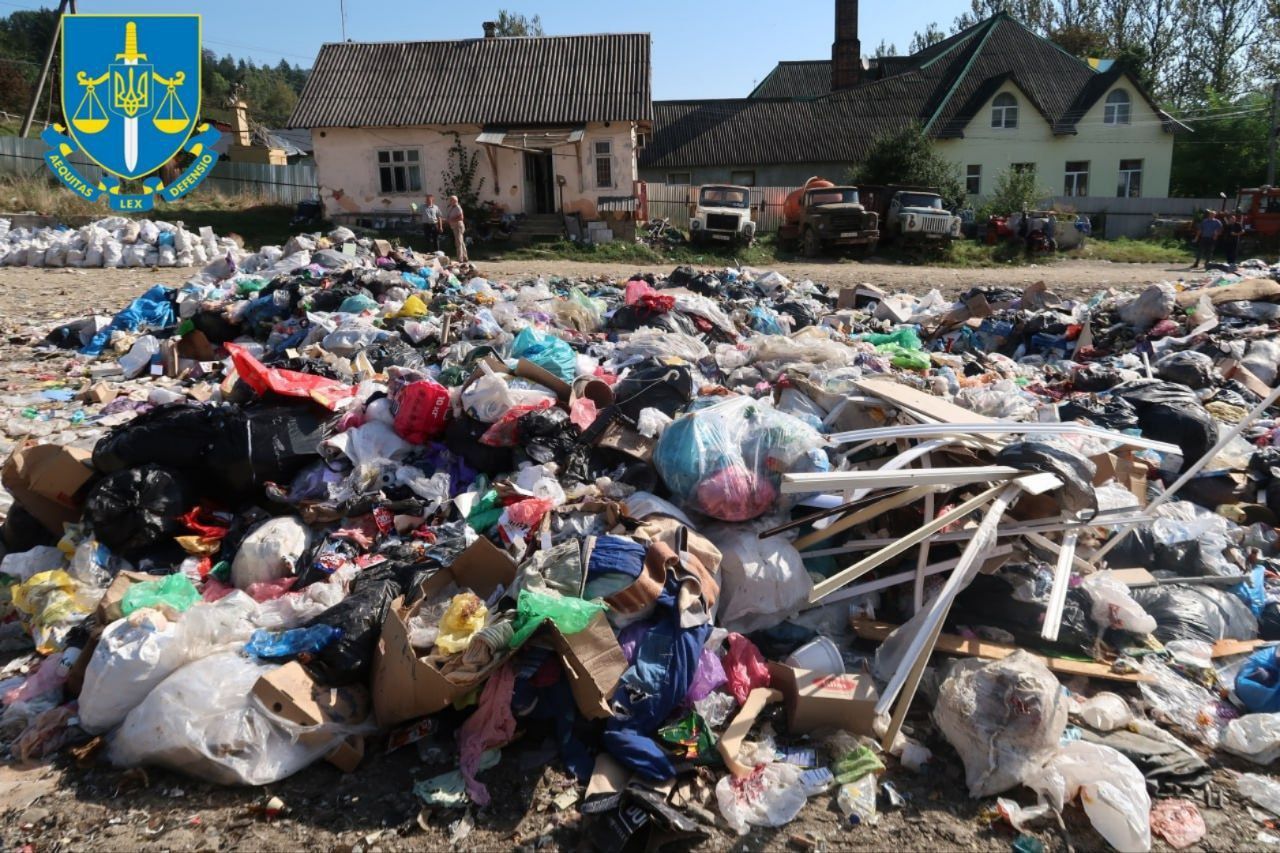
Photo: ifr.gp.gov.ua.
Weak government regulation
No matter how many appeals experts and the public make, a “circular economy” for Ukraine remains something distant and almost mythical.
For several years now, work has been underway on draft law No. 10066 “On Packaging and Packaging Waste.” This type of waste accounts for about one-third of all household garbage. The document is an important step toward implementing extended producer responsibility (EPR).
At the end of November 2025, the Ministry of Economy announced the launch of a pilot project, which is set to be a test for a future national EPR strategy. There are currently no interim results regarding the project's progress.
Demolition waste
By the end of 2024, Ukraine accounted for almost 600,000 t of demolition waste. However, these figures may be far from accurate. According to experts, the state still does not have an effective system for accounting for this type of waste, including its composition and potential for reuse.
Occasionally, the authorities report on successful cases, but as in the situation with the recycling of 1 million t of waste with support from UNDP – only general statements are given, without specific numbers.
Actions available to everyone
Waste sorting. Plastic, glass, paper, and metal – such recyclables should be separated from general waste. In most cities, there are either separate containers at waste collection sites or a network of secondary raw material collection points.
Hazardous waste – batteries, accumulators, and mercury lamps – should never go into regular bins. Cities have dedicated collection points for their safe disposal, and in some regional centers, a specialized vehicle, the eco-bus, collects them according to a schedule at various locations.
If possible, organic waste can be composted. This is especially relevant for private household owners.
Conscious consumption. Modern humanity tends toward overconsumption, which is not always justified by real human needs. Frequently, impulsive purchases and low-quality but "interesting" items soon become waste. At the same time, it is worth reconsidering our attitude toward disposable items. In most cases, these can be replaced with products designed to last for years.
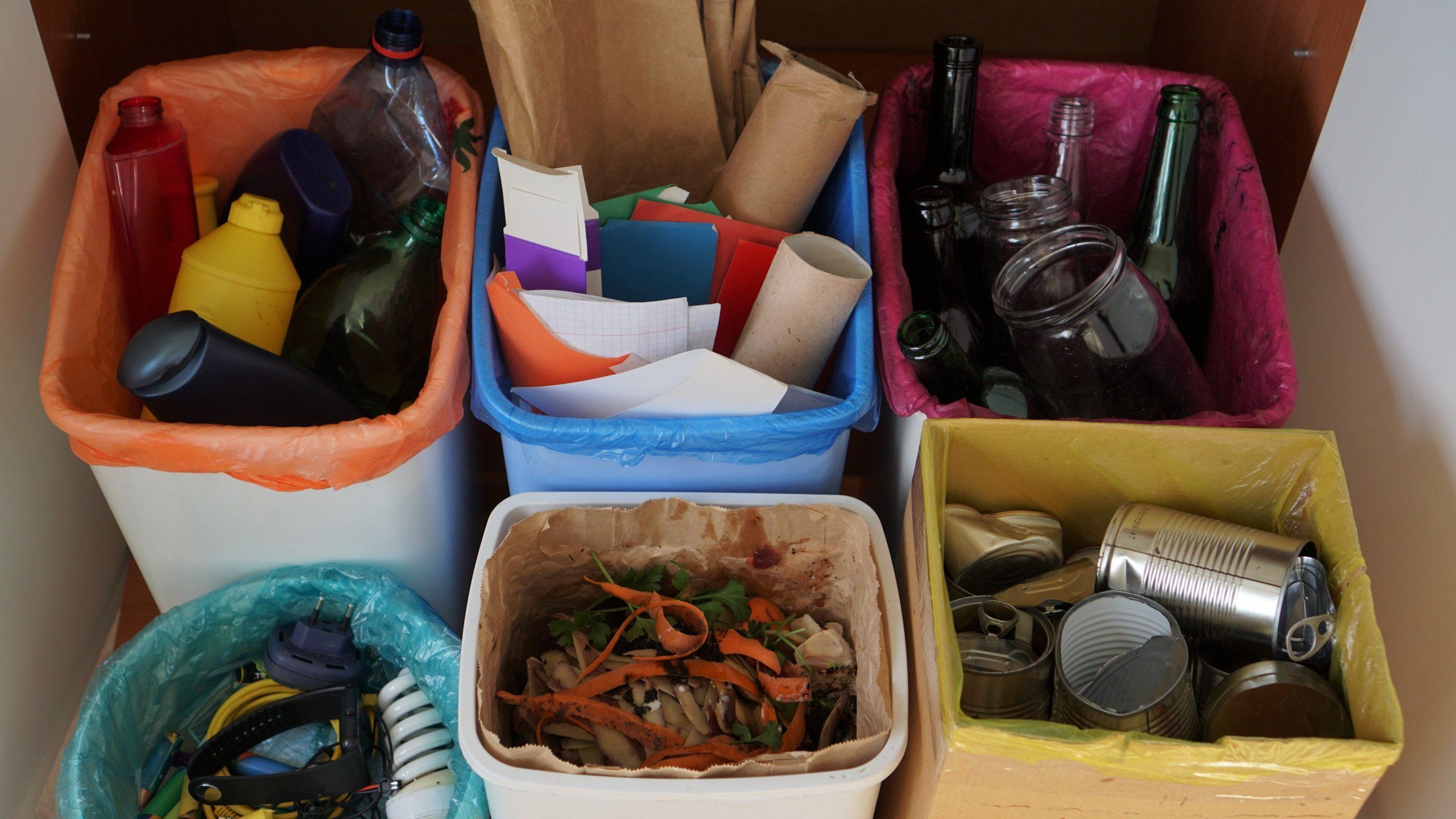
Source: Shutterstock
During the war and amid challenging energy conditions, developing environmental habits has become secondary for many Ukrainians. Nevertheless, every person’s actions at the household level can significantly improve the waste situation. We are the ones generating these millions of tonnes of waste.