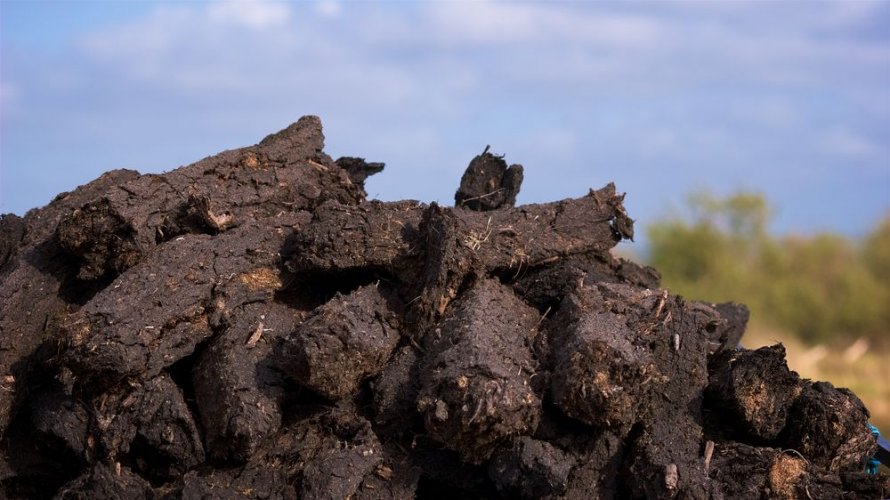
The Ministry of Environmental Protection and Natural Resources of Ukraine published two opposing statements 3.5 months apart concerning turf extraction on the same site in the Dniester floodplain.
Petro Tiestov, an ecologist and chief of the analytical department of the Ukrainian Nature Conservation Group (UNCG), drew attention to this. He shared information about this case on his Telegram channel.
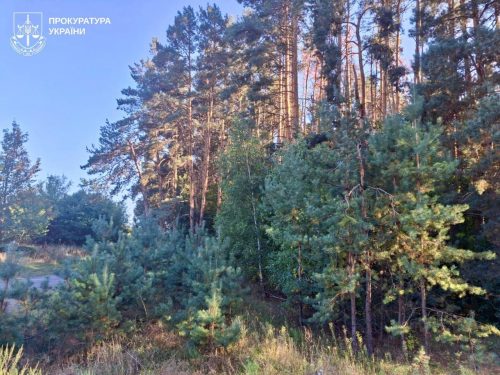
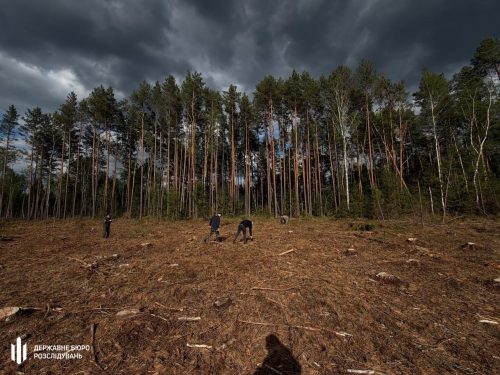
According to the documents provided by the environmentalist, it appears that this is a matter of the Pivnichno-Maynychska site, which is located in the Sambir district of the Lviv region. In his video on the UNCG Facebook page, Petro Tiestov says that this is a former floodplain of the Dniester, overgrown with self-sown forest.
The timeline
01.11.2024 – The Ministry of Ecology refuses to allow turf extraction in this area. The ministry sends its comments to The State Service of Geology and Mineral Resources of Ukraine on putting the site up for auction for commercial development of the turf deposit. The document was signed by the now-dismissed First Deputy Minister of Environmental Protection Olena Kramarenko.
13.02.2025 – The Ministry of Environment authorizes turf extraction at the site. Nothing stopped Deputy Minister for European Integration Olha Yukhymchuk from signing a proposal to put the same site up for auction for turf extraction. Even though the proposal itself states that the Pivnichno-Maynychska site is located within the territory of the Emerald Network UA0000332 “Dniester River Valley in Lviv Oblast”.
Why turn extraction should not be allowed here
The Ministry of Environment in its first conclusion, as well as the UNCG experts, pointed out the following circumstances that should make it impossible to develop this deposit:
- The need to destroy the self-seeding forest.
- Negative impact on water resources. The ministry noted that “the use of the site for the proposed purposes poses a threat of water discharge into/through reclamation channels, their disturbance and siltation, and violation of the water-air regime of reclaimed lands.”
- Earlier, it was planned to create the Dniester-Chaikovitsky National Nature Park here.
- Even without turf extraction, farmers are destroying natural landscapes in this area: they are deepening reclamation channels, uprooting forests, and turning the territory into continuous cropland.
Environmentalists from various environmental organizations constantly emphasize the catastrophic consequences of wetland destruction for the climate and biodiversity. According to scientists, covering only 3% of the Earth, these lands store twice as much carbon as all the world's forests. Petro Tiestov explains that “turf is carbon, so its extraction means carbon emissions, which contradicts the fight against climate change.”
“And it is very strange when we talk about some kind of contribution to the Paris Climate Agreement while giving away such forested areas of the former Dniester floodplain for the extraction,” said Tiestov.
Both he and UNCG ecologists insist that such areas should be watered and stopped from being returned to agriculture through tillage. They urged the ministry to prepare a regulation on the treatment of these lands that would clearly define what can and cannot be done on them. Experts say that this is the only way to preserve them.
“I hope that this will remain an individual case, and in 2025 the Ministry of Ecology will also not allow the extraction of widespread minerals in areas where it poses great risks to nature,” Petro Tiestov hopes.
Earlier, EcoPolitic had already told and published a video about how peat extraction leads to the destruction of nature.