Due to the full-scale invasion, many animals in frontline territories remain under threat from shelling and starvation. Despite all the risks, there are organizations that continue to evacuate cats and dogs from high-risk areas. However, one factor that often remains overlooked is the funding for these evacuations. Even transporting one hundred animals requires more than half a million hryvnias, which volunteers receive not from the state, but from foreign donors.
This was reported by EcoPolitic citing the speech of “12 Vartovykh” Charitable Foundation founder Lala Tarapakina at the nationwide animal protection forum “ZooConscious,” which took place in Kyiv on June 9.
The benefactor added that about 60% of evacuated animals are typically sent to homes immediately. This is because people often leave the combat zone without their pets and later turn to volunteers for help to rescue their cats or dogs from under fire.
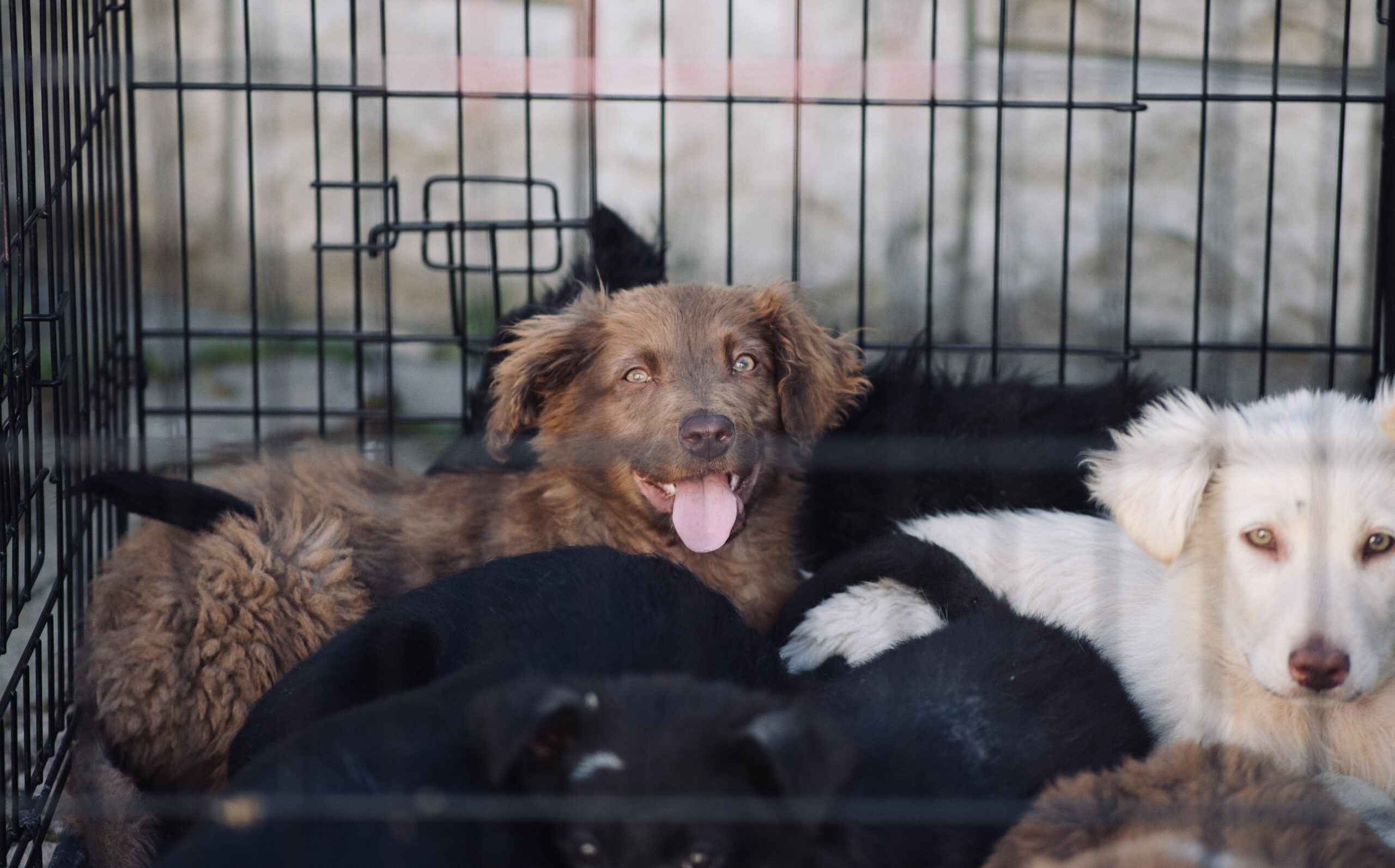
Source: “12 Vartovykh”
Medicine is the most expensive item
The rescue of animals from frontline territories involves a whole range of activities. Volunteers must also travel to the site, have the animals examined by veterinarians, and find shelter for them.
According to the experience of the “12 Vartovykh” Charitable Foundation, rescuing just 100 cats and dogs from danger zones requires the following expenses:
- Fuel – 100,000 UAH. This is the estimated cost for fueling vehicles, both for evacuation trips themselves and subsequent logistics.
- Emergency medical care – 12,000 UAH. Animals are often in critical condition, requiring urgent intervention by medical professionals.
- Temporary housing – 200,000 UAH. Monthly upkeep per animal is 5,000 UAH. Donors provide estimates based on 40 animals, as most are reclaimed by owners who left earlier.
- Basic medical protocol – 210,000 UAH for 40 animals. This includes standard health assessment, sterilization, vaccination, and parasite treatment. The total cost of all procedures for a single dog is 6,000 UAH and for a cat – 3,000 UAH.
- Treatment of seriously ill animals – 70,000 UAH. Donors clarify that this amount is rather approximate, since often the recovery of animals proves significantly more expensive.
- Adoption – 20,000 UAH. This category covers posting announcements, supporting new pet owners, and monitoring proper care conditions for the cats and dogs.
EcoPolitic previously reported that an educational product was created in Ukraine to teach children humanity and empathy towards animals. The “Humane Education and Volunteering” project by the organization UAnimals received official approval from the Ukrainian Institute of Education Development of the Ministry of Education and Science.