Socktopus and garbage fish: creatives made from garbage

Socktopus and garbage fish: creatives made from garbage love.sustainablecoastlines.org
Hanna Velyka

Eco-activists have found another unusual way to draw attention to the pollution of the aquatic environment

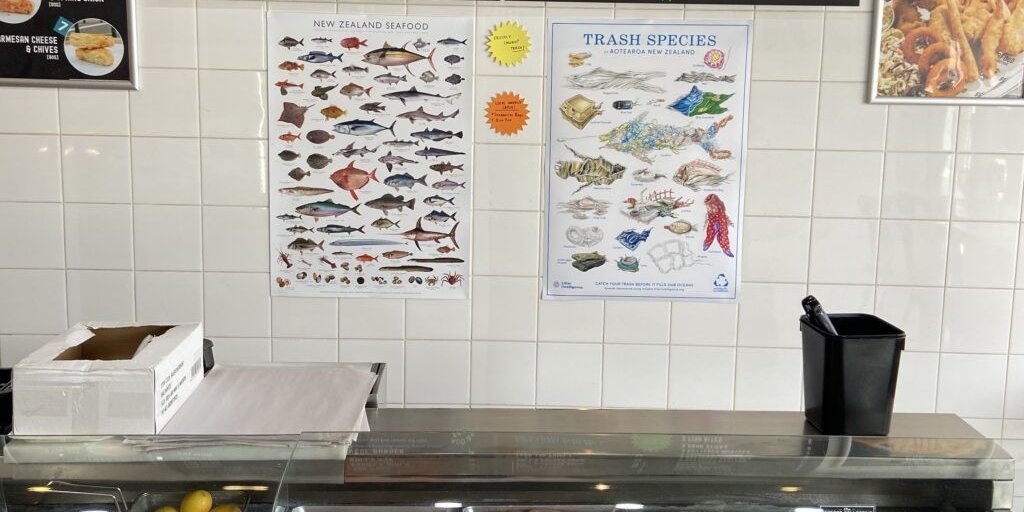
Creative agency Augusto from New Zealand made educational posters about the ocean, where instead of fish and plants there is garbage.

They were presented on the agency's Instagram page.

The poster series is titled "Trash Views of Aotearoa, New Zealand". It was created as part of a joint campaign with the environmental charity Sustainable Coastlines. This organization has set a goal of 60% less litter on the coast of Aotearoa, New Zealand by 2030.

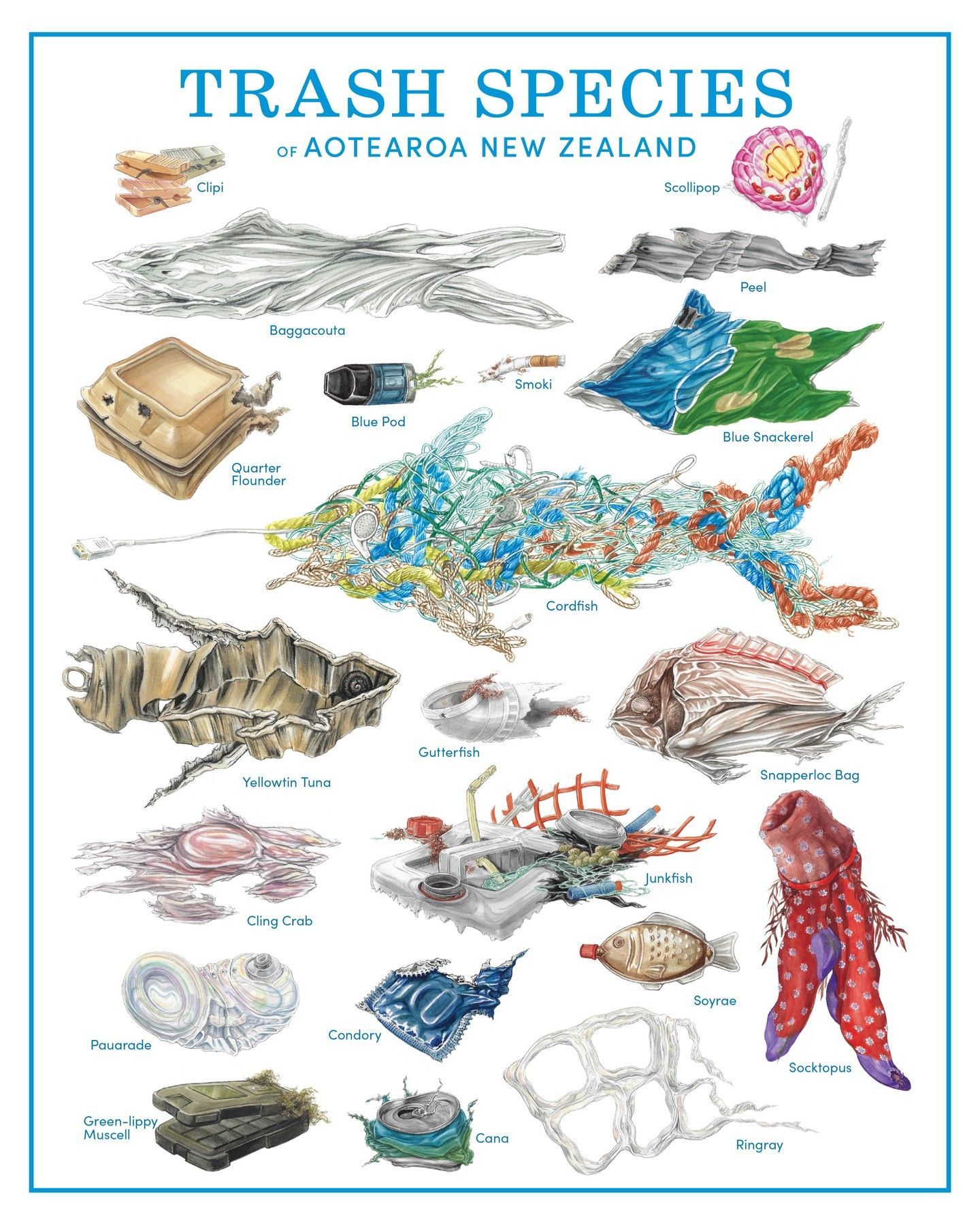
The posters show 21 types of garbage that fill the oceans near New Zealand and threaten marine life.
love.sustainablecoastlines.org

Photo: love.sustainablecoastlines.org.

Among the new "species" are Socktopus (sock + octopus), Cordfish (cord + fish) and Quarter Flounder (quarter + flounder).

Posters sell for $65. All proceeds will benefit Sustainable Coastlines.

The charity's communications manager, Helen Adams-Blackburn, says how lucky New Zealanders are to be surrounded by the country's diverse and beautiful coastline.

She says the campaign helps show the threat of completely unwanted "species" entering the ocean through trash, open tanks and storm drains. The poster makes a connection between the objects people use every day and the beaches and wildlife that activists hope to protect.

"The message is quite simple: catch your trash before it fills our oceans, whether that's changing your buying habits or making sure things are properly disposed of," she says.


View this post on Instagram


A post shared by Augusto (@augusto_nz)

As EcoPolitic previously reported, due to climate change, the seas of Europe may start growing pearls


Related
Microplastics in the air exacerbate global warming, – study

In some regions, particularly near the Great Pacific Garbage Patch, its impact is greater than that of black carbon

Weekly roundup of environmental crimes: deforestation, water and air pollution, and land disputes

The "stars" of the week are foresters from the Odesa region who used intimidation to force forest workers to illegally cut down and sell trees

The government has approved regulations for the protection of peatlands: from the creation of a cadastre to restrictions on use

This should help protect ecosystems that are vital for climate resilience and biodiversity

Widespread violations of the environmental permit: environmental inspectors inspected the Negrebivsky quarry

Residents complained about the logging of healthy forests and the loss of drinking water in the community