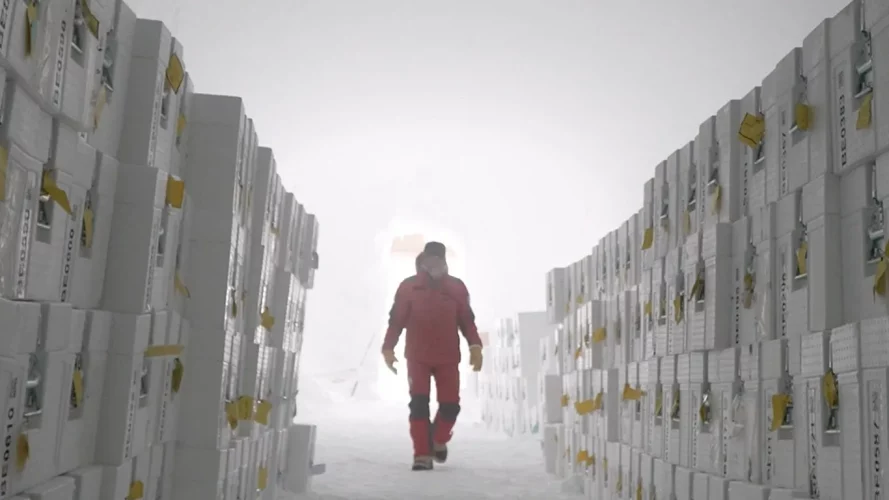
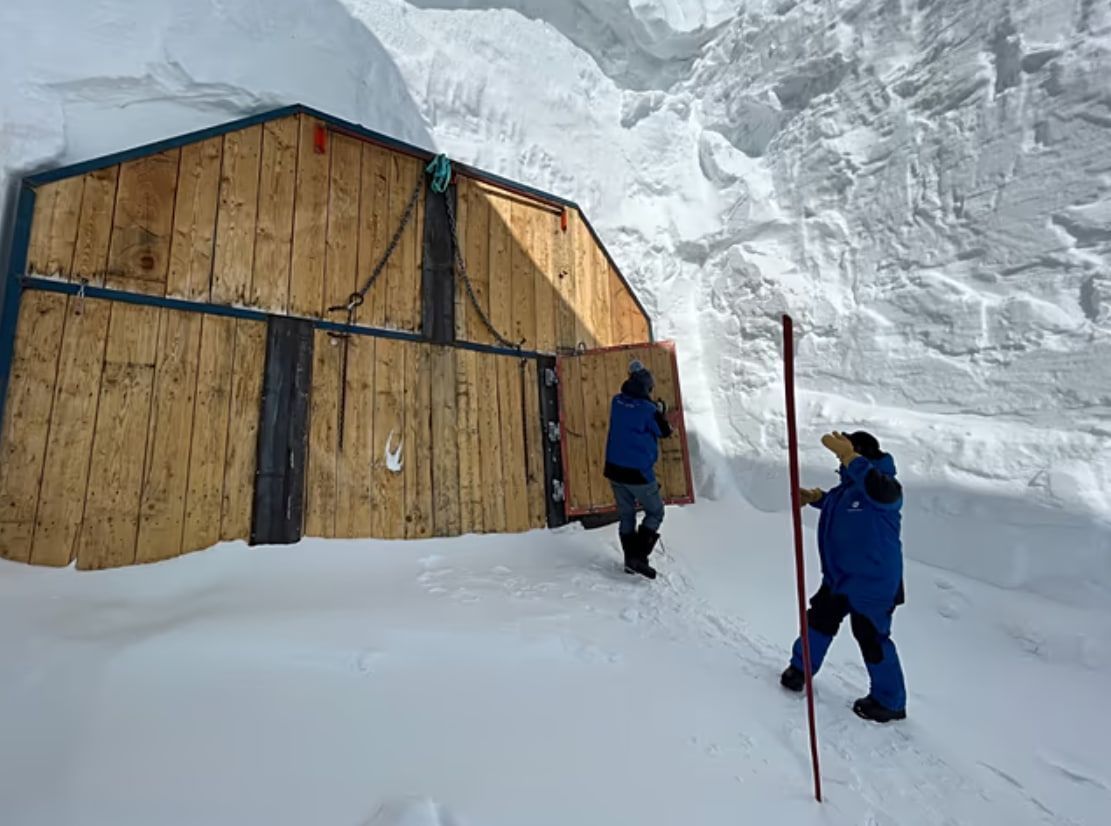
The "Ice Reserve" was opened at the Franco-Italian Concordia station in Antarctica. The first samples to be brought halfway around the world for storage in the frosty cave were ice cores from Mont Blanc in France and Grand Combe in Switzerland.
According to Euractiv, the core repository was opened by the Ice Memory Foundation.
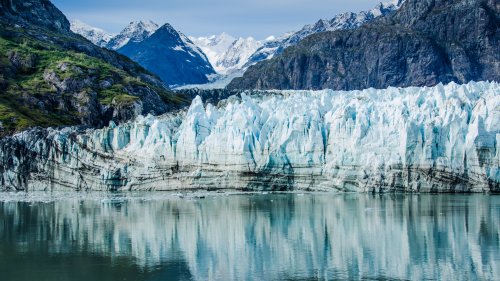
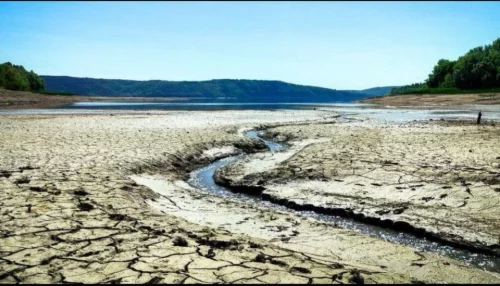
This is an attempt to preserve climate data for future climate researchers. According to the Foundation, glaciers have already lost between 2% and 39% of their ice, depending on their location.
"Today, we have a historic responsibility to work with Ice Memory to create a legacy of glacial archives for our children," said the Foundation's honorary president, Prince Albert II of Monaco.
A long road to preserve the memory of centuries
The cores from the Alpine glaciers spent more than 50 days in transit by plane and icebreaker. They were transported in containers maintained at a temperature of -20°C. They are now stored in a repository – an artificial cave 5 meters underground.
Source: Ice Memory Foundation
Antarctica will act as a natural "freezer." Its annual temperatures are below -50°C, which will preserve cylindrical samples from European glaciers.
Why does humanity need to preserve ice?
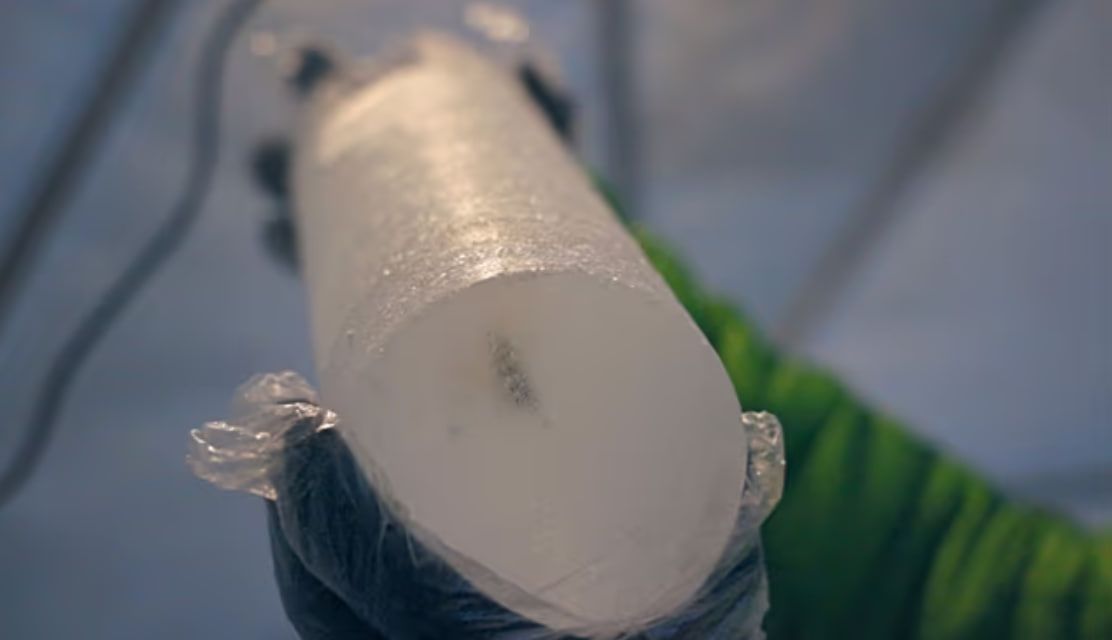
Ice cores are an important material for scientific research. Layers of ice that have frozen over centuries, or even longer, contain air bubbles from those times, dust, pollutants, and other particles that can tell humanity about its history.
Source: Ice Memory Foundation
Scientists call the cores “a priceless heritage for future generations.” Their analysis enables retrospective climate research. In particular, data from glaciers will allow future researchers to reconstruct past climate conditions-tracing the dynamics of temperature and atmospheric changes, as well as concentrations of greenhouse gases. Such information also enables the discovery of past ecological disasters, such as large-scale fires or even volcanic eruptions.
As EcoPolitic previously reported, it was data from an ice core that made it possible to find the cause of the fourteenth-century plague pandemic. At the start of the chain of tragic events was a volcanic eruption.