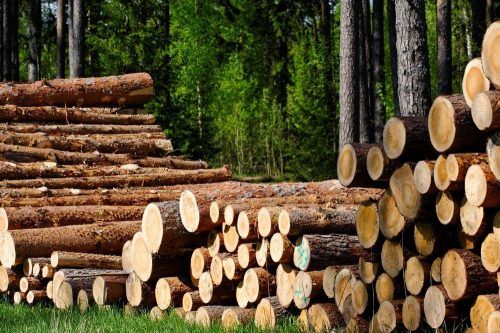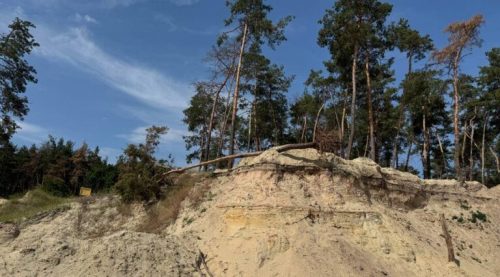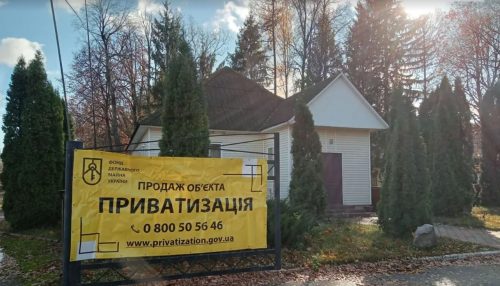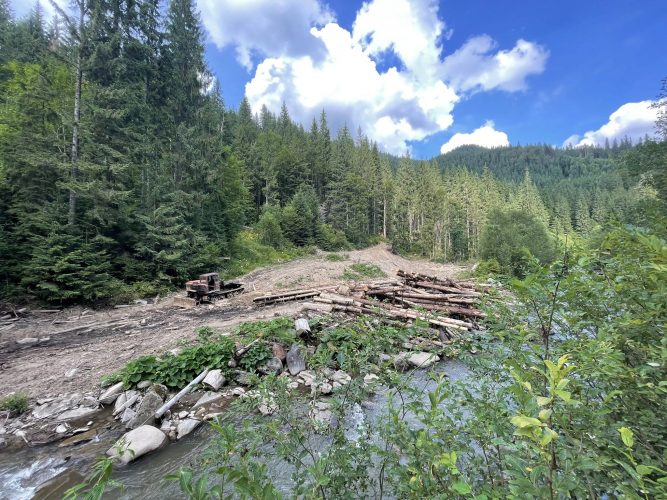
Every week, regional prosecutors report new cases of deforestation. Often, the losses amount to tens of millions of hryvnias. However, this picture may be far from complete. The fact is that even if activists or the public detect a crime in a timely manner, there is no guarantee that a case will be opened and the perpetrators punished.
Based on the results of its own monitoring of illegal logging, the NGO Forest Initiatives and Society (FIS) has identified the key factors contributing to the ineffectiveness of countering such violations.
Response delayed for months
Investigations often begin months after the first report from experts. The NGO cites a glaring delay of 14 (!) months as an example.
"During this time, the perpetrators managed to skillfully cover up the traces of the crime — camouflaging the stumps and removing all the illegally harvested timber, which significantly complicated the further investigation," the organization said.
Failure of the police to fulfill their duties
During 2024-2025, LIiS experts surveyed Ukraine's forests from satellites and on the ground. During this time, the former method revealed more than 1,500 areas with changes in forest cover, while the latter revealed 33 cases of illegal logging in 152 surveyed areas.
The organization forwarded evidence of these 33 logging incidents to the State Environmental Inspection and law enforcement agencies. However, only seven criminal proceedings were opened.
Experts emphasize that this highlights the ineffectiveness of mechanisms for bringing violators to justice.
Moratorium on inspections
Regulatory authorities are still prohibited from conducting scheduled inspections. In particular, the State Environmental Inspection is also prohibited from doing so. According to activists, this helps violators commit crimes with impunity and avoid responsibility.
Cover-ups by forestry officials
Experts from “LIS” found that forest protection agencies often conceal instances of illegal logging on territories under their management. Such actions not only harm the forest, but also undermine trust in forest users in general.
EcoPolitic adds that it is often representatives of the forestry sector who are responsible for illegal logging.
In the first case, officials themselves may act as organizers or participants in criminal logging schemes. According to the State Bureau of Investigation, during 2025 alone, the state suffered UAH 546 million in damages due to this kind of “extra” professional activity by forestry officials (source).
On the other hand, forest users are obliged to ensure proper protection of their territories. If anonymous loggers destroy trees there, the forest officials will bear legal responsibility. Sentences for official negligence are a recurring thread in the weekly eco-crime digests from EcoPolitic.