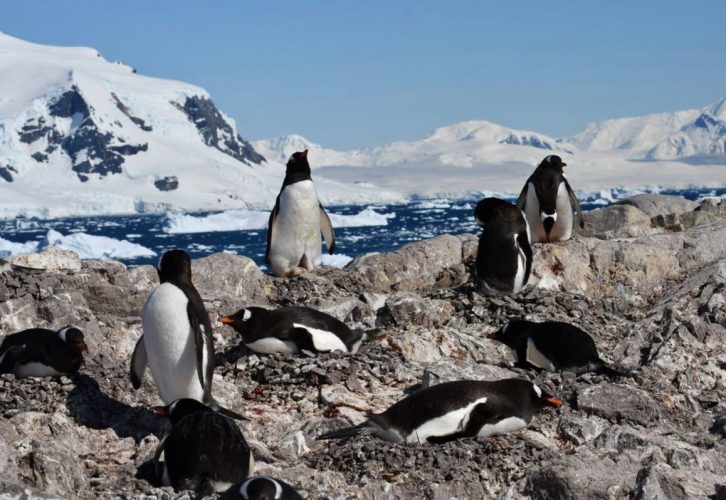
A ten-year study by Penguin Watch has found that Antarctic penguins have shifted their breeding season by more than 20 days. This indicates that animal behavior patterns established over millennia continue to be altered by global warming.
According to The Guardian, these changes are causing concern among scientists, as other elements of the system are not adapting to the climate as quickly.
"Penguins can breed even when their prey is not yet available. This can lead to a shortage of food for penguin chicks in the first weeks of their lives, which can be fatal. Even if penguins were able to replicate the behavior of their prey, we cannot expect them to be able to maintain this pace for long," said lead author Dr. Ignacio Juarez Martinez.
Research and evidence
Between 2012 and 2022, researchers observed the behavior of three species of penguins: Adélie penguins (Pygoscelis adeliae), Antarctic penguins (Pygoscelis antarcticus), and gentoo penguins (Pygoscelis papua). Large colonies ranging from tens to hundreds of thousands of nests were selected for study.
The "evidence" for the study was collected using 77 slow-motion cameras. They were set up near 37 colonies of Antarctic birds. The cameras recorded not only images but also the ambient temperature at the time of shooting.
The results, published by Oxford researchers in the Journal of Animal Ecology, showed striking changes in the penguins' breeding season. For gentoo penguins, it increased by an average of 13 days, with a peak of 24 days in some colonies. The other two species accelerated their breeding by an average of ten days.
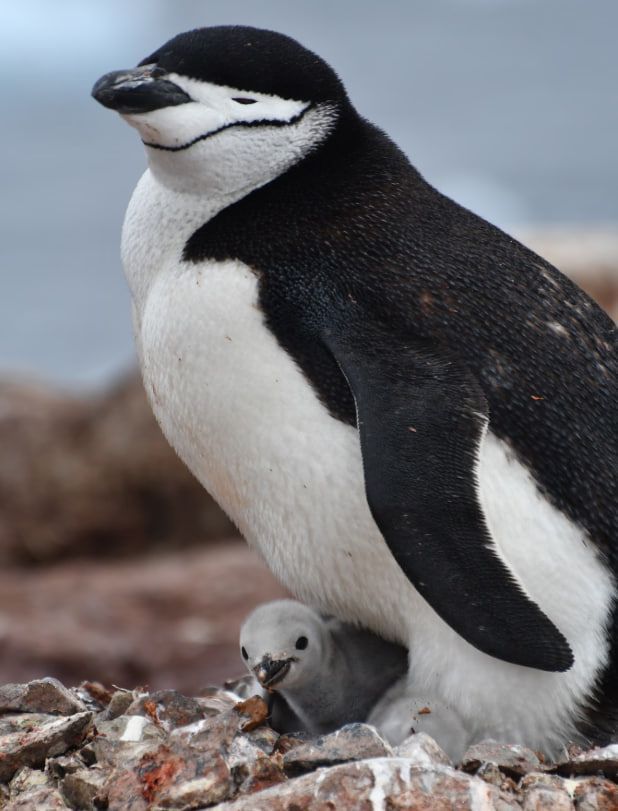
Source: Ignacio Juarez Martinez.
Bleak prospects for unique birds
Previously, everything in nature was balanced—different species reproduced in stages, competing minimally for food and space. The number of conflicts was also regulated by varying hunting depths and ice thickness. However, due to changes in breeding periods, species are beginning to compete for resources, and there are not enough for all of them.
The ultimate cause of this behavioral change has not yet been identified, but it is in any case linked to climate change. This could be warming, early ice breakup, early snowmelt, or earlier phytoplankton blooms.
“We want to preserve penguin diversity in Antarctica at any cost. The Antarctic ecosystem is a network with very few links – the loss of several penguin species by the end of the century, as models predict, could deliver a fatal blow to its functioning and resilience,” Dr. Martinez emphasizes.
EcoPolitic previously reported that global warming has also affected the lifestyle of Ukraine’s wild animals. In particular, in the Odesa region a stoat was spotted that had turned its fur white, even though there was no snow. This forced the animal to lead a more secretive lifestyle, which could limit its hunting success and thus its chances of survival.