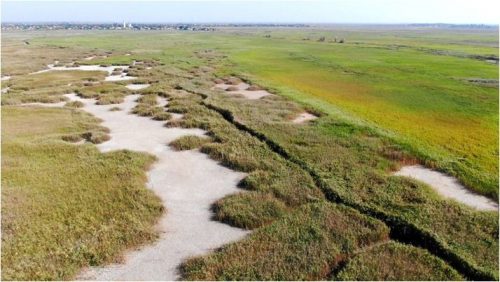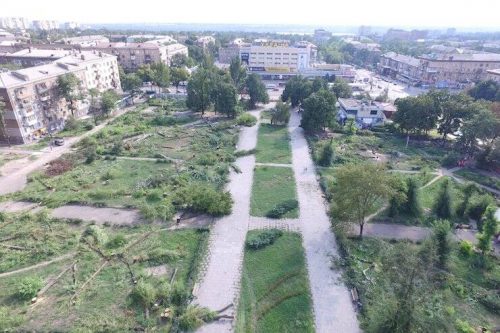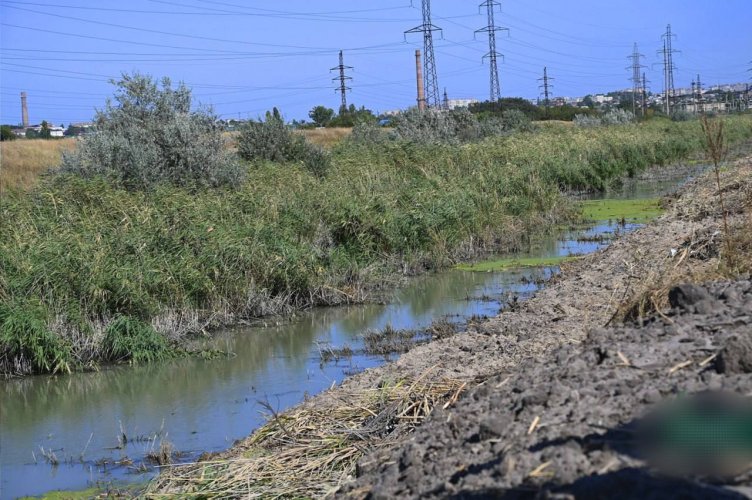
In the Zaporizhzhia region, the occupiers began to destroy the banks of the Molochnaya River, which is the largest in the northwestern Azov region.
Russians plan to use river water to fill irrigation canals, Melitopol mayor Ivan Fedorov reports in Telegram.
"The occupiers are committing ecocide near Melitopol," he emphasized. – Covering themselves with concern for the environment."
Fedorov explained that such a decision could lead to an increase in the salinity of water in the Sea of Azov and affect groundwater.
He noted that the occupiers have already caused irreparable damage to the ecology of the region, namely:
- with destroyed agricultural land with mines and defense structures;
- set up landfills on the lands of the Priazovsky National Nature Park;
- devastated the irrigation canals by blowing up the Kakhovskaya HPP.
"Ecocide in the temporarily occupied territories is another crime for which the Russian Federation must answer to the whole world," he emphasized Fedorov.
Earlier, EcoPolitic wrote, that in the occupied Melitopol of the Zaporizhzhia region, the rivulet of the Molochnaya River silted up, its waters became white, covered with white foam and acquired a sharp unpleasant smell. The probable cause of the pollution was a sewerage break and sewage entering the river, but the occupiers are inactive.
As EcoPolitic previously reported, in occupied Mariupol, the rivulet of the river in two places. In the Sea of Azov all living things are dying en masse.