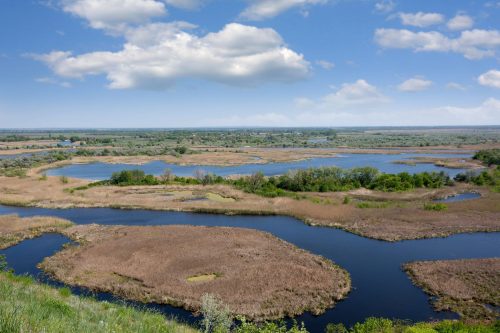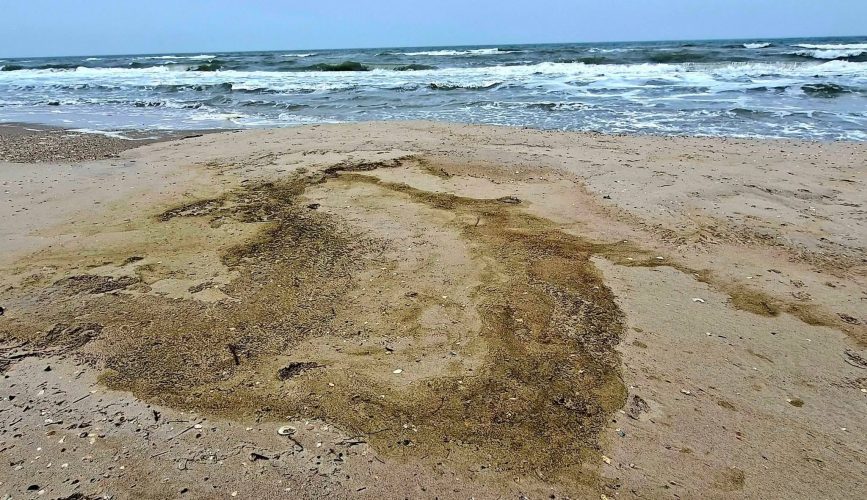
At the end of December, the enemy caused a large-scale environmental disaster in the Odesa region. A drone attack damaged oil tanks, causing oil to spill into the sea. Nearly a month and a half has passed, and the substance continues to pollute the waters and coastline of Odesa. Recently, a storm washed another batch of oil onto the territory of the Tuzly Estuaries National Park.
This was reported by Ivan Rusev, head of the scientific department of the national park.
"Most of it polymerized and settled on the benthal of the Odessa Gulf. But its remains are still traveling across the Black Sea and polluting shores far from the site of the accident," the scientist said.
On February 6, a powerful storm raged at sea. Waves, intensified by the wind, carried sunflower oil to the Tuzlivski Limany spit.
On February 8, employees of the reserve surveyed the area. As it turned out, scattered patches of oily substance polluted an area of about 10,000 m2.
Ivan Rusev noted that the migration of oil that has entered the sea multiplies the negative consequences, in particular for the fauna of the region.
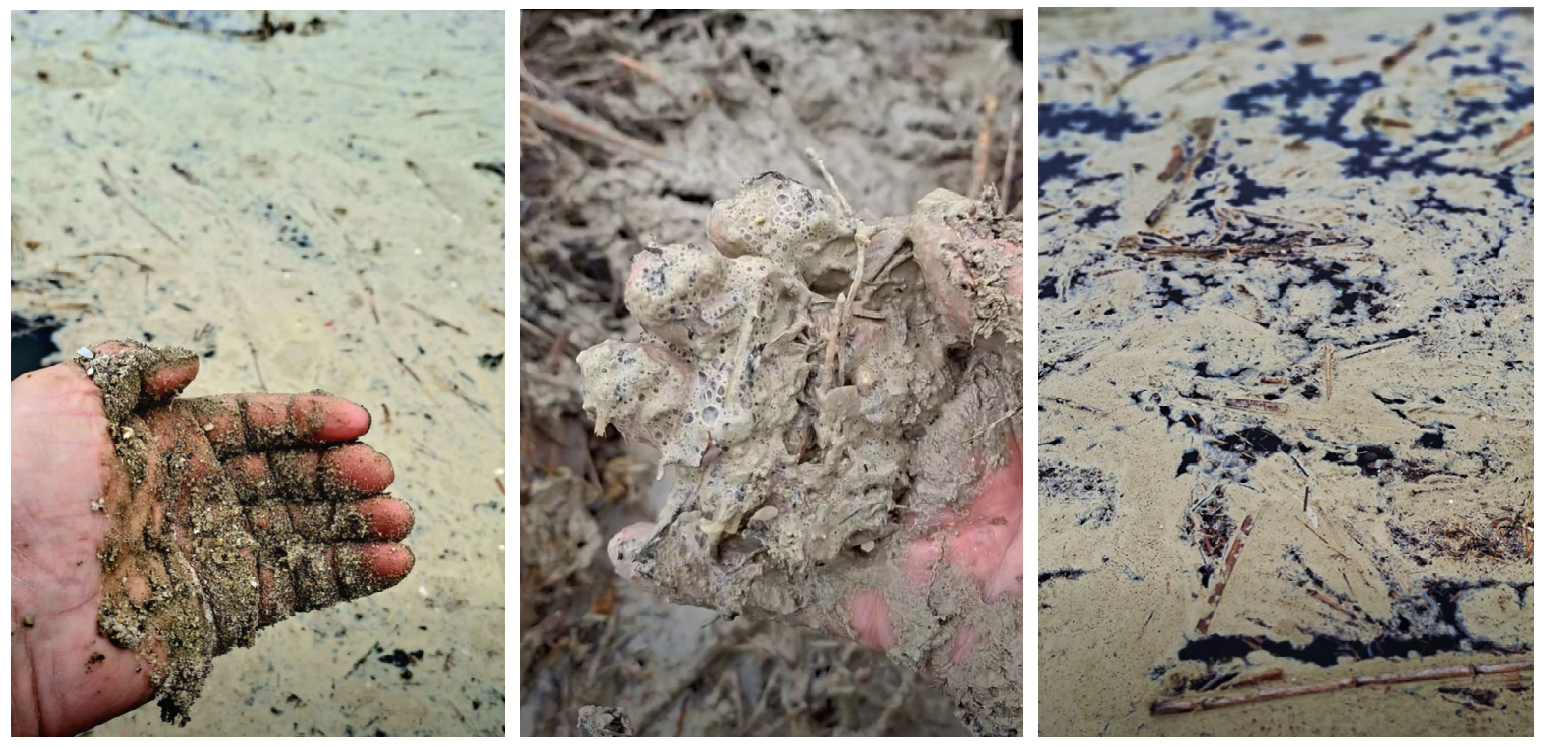
Source: Ivan Rusev’s Facebook page
A disaster that has grown in scale
Another researcher of the Tuzlivski Lymany National Park, Vladyslav Balinsky, previously stated that the oil spill could have resulted in far less severe consequences. However, inaction by local authorities and manipulation of public opinion increased the scale of the disaster.
As EcoPolitic wrote, according to the researcher, at the time of the emergency, a response protocol still had not been developed, even though there had been previous precedents. The engineered port defenses failed to contain the substance, and while calm weather persisted at sea, the responsible services did not carry out effective “cleanup” of the oil slicks.