Every year on November 6, the world celebrates the International Day for Preventing the Exploitation of the Environment in War and Armed Conflict. This date was established by a decision of the UN General Assembly in 2001.
Damage spread across space and time
The negative consequences of wars affect ecosystems and natural resources far beyond the combat zones, impacting the environment in neighboring countries and even continents.
At the same time, the damage caused by wars is not limited to the "here and now." Future generations will also feel the repercussions of the crimes against the environment committed on the battlefield.
That is why the UN General Assembly decided to designate a separate date for the prevention of environmental damage caused by wars and conflicts.
Ukrainian context
This day is especially important for modern Ukraine. Our country is in a state of full-scale war, and right now our nature is experiencing the full spectrum of the consequences of armed aggression.
According to the latest data from the State Environmental Inspection, the damage to the environment from the Russian Federation's aggression already amounts to about 5.98 trillion hryvnia. Missile and artillery strikes, enemy attacks on oil storage facilities, and the mining of territories are poisoning the air, soil, and water with pollutants, threatening Ukraine's plants and animals.
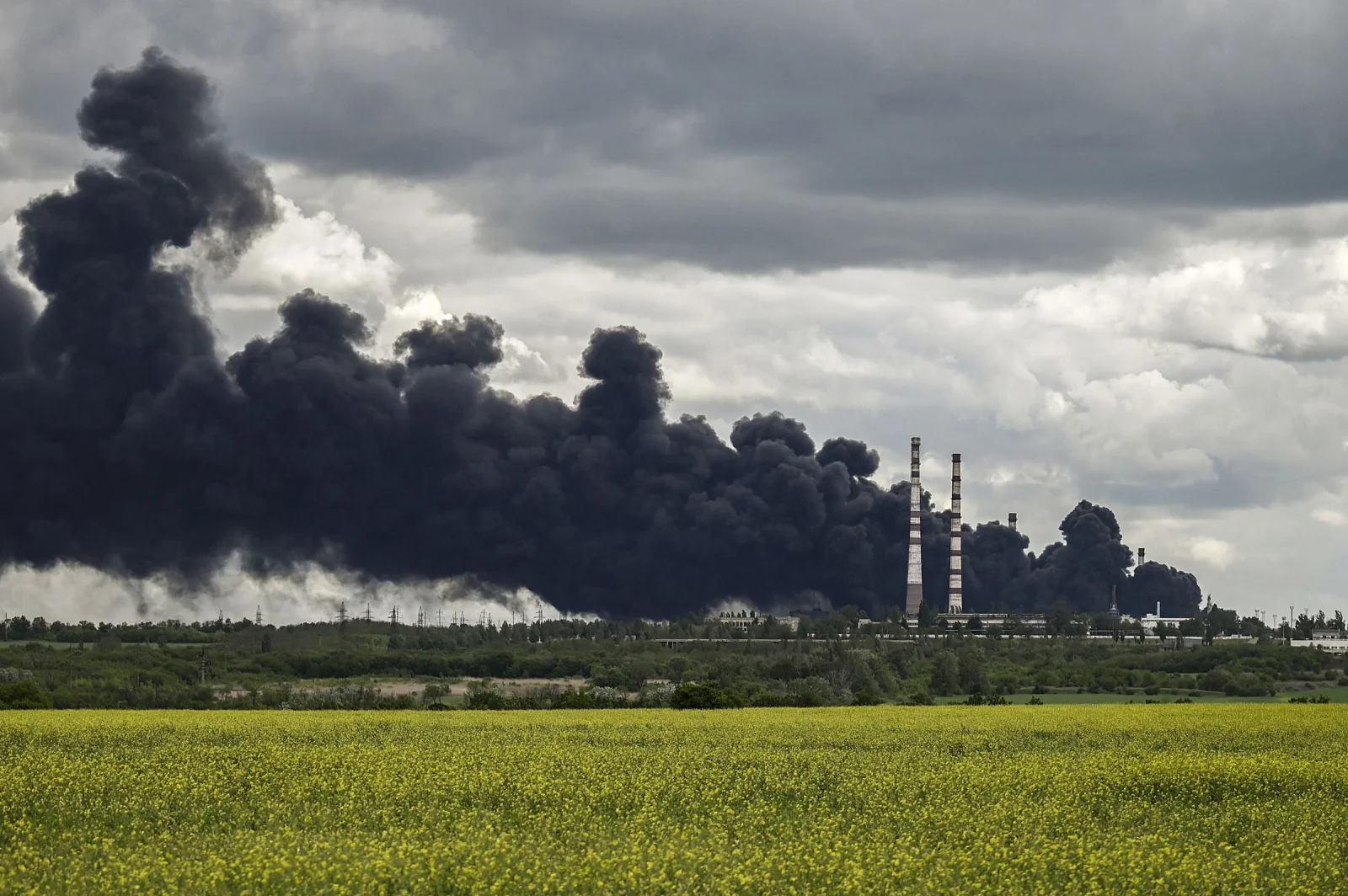
Photo: time.com
How does war harm the environment?
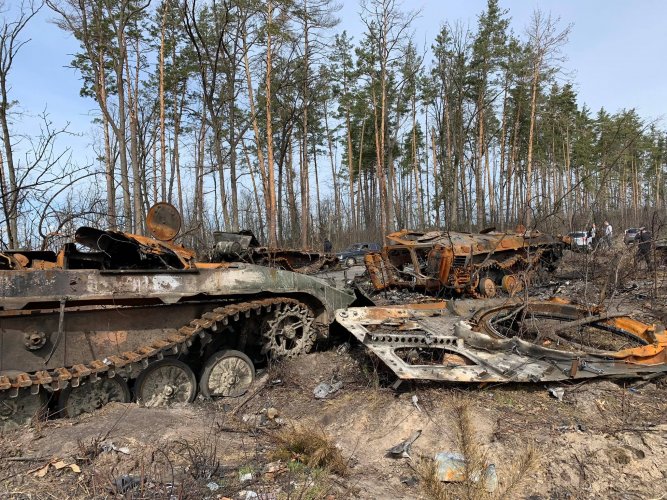
- Forest fires. In Ukraine, fire has destroyed or damaged forests spanning 142,600 ha;
- Burning of petroleum products and other types of fires “release” harmful and toxic substances into our air. As of October 31, 4.1 million t of petroleum products have burned due to the war, and fires have damaged 3.2 million sq. m of land;
- “Intoxication” of water bodies. More than 36,000 t of pollutants have already entered Ukrainian waters, water body contamination amounts to 42.4 million kg, and over 21 billion cu. m of water has been used without authorization.
- Soil contamination has already affected 1.2 million sq. m of land, while land littering stands at 24.3 million sq. m;
- Destruction of flora and fauna. Due to hostilities in Ukraine, more than 75,000 animals have perished, and the number of affected plants is in the millions. According to the SEI, 76.5 million representatives of flora have been destroyed or damaged.
"Military actions significantly accelerate climate change, as greenhouse gas emissions increase tenfold, contributing to a rise in global temperatures. Moreover, forest fires reduce the ability of forests and peatlands to absorb greenhouse gases," according to the Verkhovna Rada Committee on Environmental Policy and Nature Management.