The South Korean city of Busan will host discussions on the Global Plastics Compact, which is intended to address the global problem of plastic pollution, from November 25 to December 1.
Euronews reports.
The goal of the negotiations is to develop a document that will contain legal obligations for the signatories.
The Global Compact is expected to address plastic throughout its entire life cycle. The most controversial issue among national delegations is whether there will be a limit on the amount of plastic that companies are allowed to produce.
What is the problem
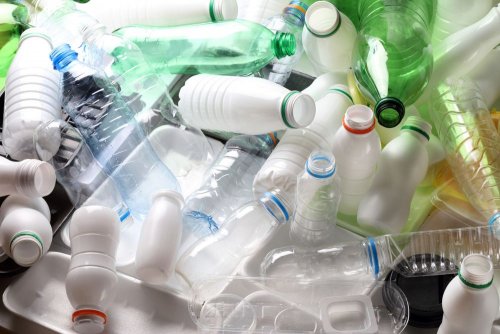
According to the Organization for Economic Cooperation and Development (OECD), since 1950, global plastic production has increased more than 200 times to almost 460 million tons annually. Processing does not keep up with such production rates. As of 2015, only 9% of all plastic waste was recycled. As a result, about 19 million tons of plastic enter the natural environment every year. It is harmful and sometimes even fatal to wildlife.
According to forecasts, the production of plastic will double or even triple by 2040. Such growth would use up about a quarter of the remaining carbon budget to meet the goal of limiting global warming to 1.5°C.
What are the developments on the document
Development of the Global Compact began in 2022. Its text is being worked on by the Intergovernmental Committee for Negotiations (INC), which has already held 4 meetings.
Among other things, the committee members considered including the following measures in the document:
- gradual cessation of plastic production;
- improving waste management;
- requirements for the design of plastic products;
- financing the global shift away from plastic.
However, disagreements arose at the meetings, and the draft agreement became longer and longer.
What issues are being discussed now?
Among the key issues in the ongoing negotiations are:
- determination of the list of harmful chemicals that should be prohibited in plastic products;
- how countries will finance the measures identified in the final agreement.
There are also strong disagreements over whether the agreement should include a reduction in global plastic production.
The MCP hopes that the final contract will be agreed upon during the negotiations. Otherwise, another meeting in 2025 is likely.
Around which provisions of the Global Plastics Agreement are the most heated discussions
The main players opposed to reducing plastic production are countries with significant fossil fuel industries, including Saudi Arabia, Russia and Iran. They insist that the main factor in solving the problem of plastic pollution should be waste management.
However, 40 countries and regions, including the EU, Switzerland and Fiji, have signed a declaration called "Bridge to Busan", which advocates "sustainable levels of production".
The US, which is responsible for 17% of global plastic production, has not signed the Bridge to Busan declaration, but also agrees on the need to reduce production.
What ecoactivists say
Environmental groups and indigenous leaders are calling for a holistic approach to tackling plastic pollution.
Graham Forbes, who heads the Greenpeace delegation in Busan, said his group could support an agreement that would set reasonable safeguards to reduce the amount of plastic produced, eliminate toxic chemicals, and protect people from uncontrolled use of this material.
Earlier, EcoPolitic reported that Ukraine plans to ban the use of disposable plastic tableware.