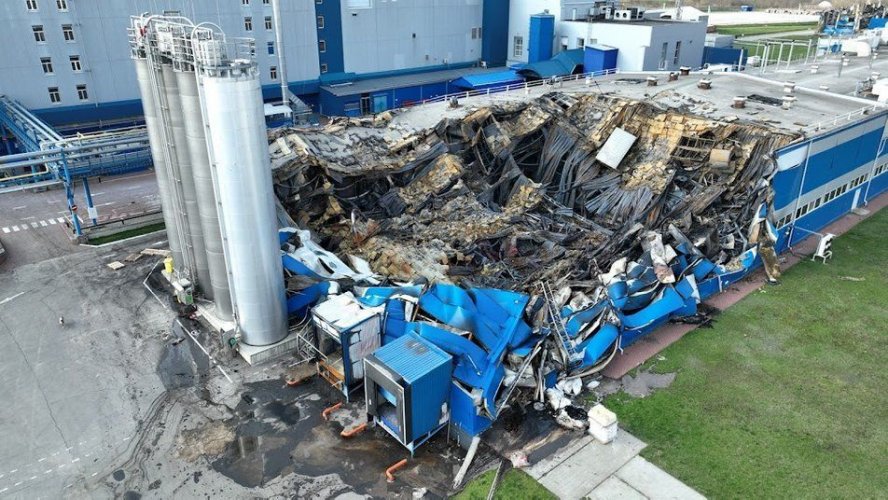
In Sumy region, the fire at the Trostyanets chocolate factory, which lasted for more than a day in March 2022, caused damage to the environment amounting to 10.6 million hryvnias.
The incident took place during the temporary occupation of the city of Trostyanets, and the russian military did not allow rescuers to enter the territory of the factory for extinguishing, reports the State Inspectorate on Facebook.
SEI in the Sumy region processed information about the negative impact on the environment as a result of the actions of the russian occupiers on the territory of Mondelis Ukraine.
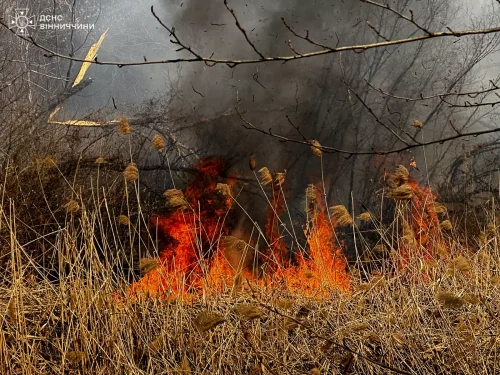
Several fires broke out at the factory, which destroyed about 13,000 m2 of the biscuit production building, 900 m2 of the tented warehouse, as well as 265 m2 of the procurement area.
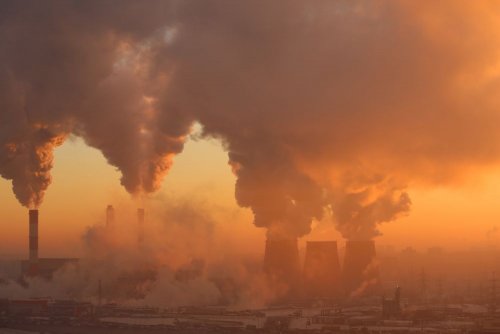
"Smoke clouds carried large volumes of pollutants that entered the atmosphere," the SEI explained.
Case materials and calculations were handed over to law enforcement agencies.
Earlier, EcoPolitic wrote, that in Kharkiv, shelling by russian troops of the national scientific center Kharkiv Physical and Technical Institute caused damage to the environment in the amount of UAH 14.8 billion in damages.
As EcoPolitic previously reported, a Buryn elevator in Sumy region paid 3,879,580 hryvnias damages for excessive emissions of pollutants into the atmosphere.