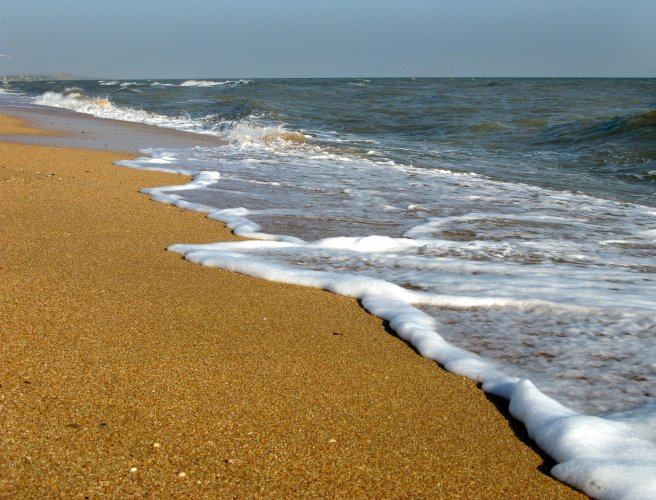
On the coast of Bulgaria, the Black Sea carried the bodies of three dead cows to the territory of Tsarevo municipality, not far from the border with Turkey.
These are probably animals from Ukraine that died as a result of the explosion of the Kakhovskaya HPP, reports the public organization UAnimals on Facebook.
It is noted that these cows did not have ear tags, which cows from the EU must have.
The mayor of Chernomorets, Rosen Despoto, suggested that the cows could have fallen from the ship during transportation. However, the Maritime Administration claims that they are not aware of any accidents on ships transporting cows.
"Dead animals on the Bulgarian coast may indicate that Russian ecocide has no borders, and the hydroelectric power station blown up by the Russians is not only a problem of Ukraine. Russia should be punished for crimes against nature!" animal rights activists emphasized.
Earlier, EcoPolitic wrote, that dolphins are dying en masse in the Black Sea due to Russian military aggression. Dead animals are carried away by the sea to the shores of Turkey, Romania and Bulgaria, Chornomorsk and Odesa.
As EcoPolitic previously reported, the Minister of Environmental Protection and Natural Resources Ruslan Strelets said that due to the explosion of the Kakhovskaya HPP 160,000 birds were at risk of death and more than 20 thousand wild animals.