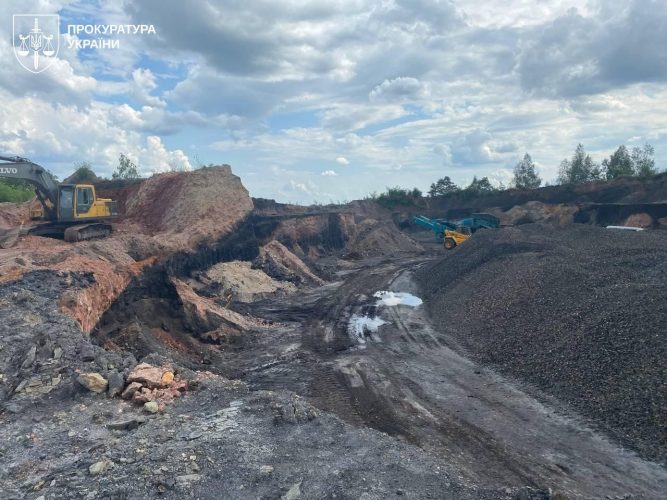
A coal deposit in Volyn has become the site of a large-scale crime. A Lviv-based company was supposed to conduct geological surveys of the subsoil there, but instead launched full-scale extraction of strategic minerals on an industrial scale. These resources, which are critical for Ukraine, were illegally mined for five years.
According to Ukraine’s Prosecutor General Ruslan Kravchenko, the plundering of mineral resources took place under the guise of “experimental-industrial development.”
The scale of the Crime
According to the prosecutor’s office, the perpetrators managed to extract and transport approximately 105,000 tons of strategic raw materials—resources that are critically important for the construction and restoration of infrastructure damaged by the enemy.
Among the minerals illegally extracted from the subsoil are:
- aleurolite – over 56,000 t;
- argillite – over 34,000 t;
- sandstone – over 14,000 t.
Total damages exceeded UAH 102 million. The director of the company has already been served a notice of suspicion regarding the illegal extraction of mineral resources.
Searches were conducted in Volyn, Lviv, and Kyiv regions. Law enforcement officers seized cash, special equipment, and evidence of raw material sales.
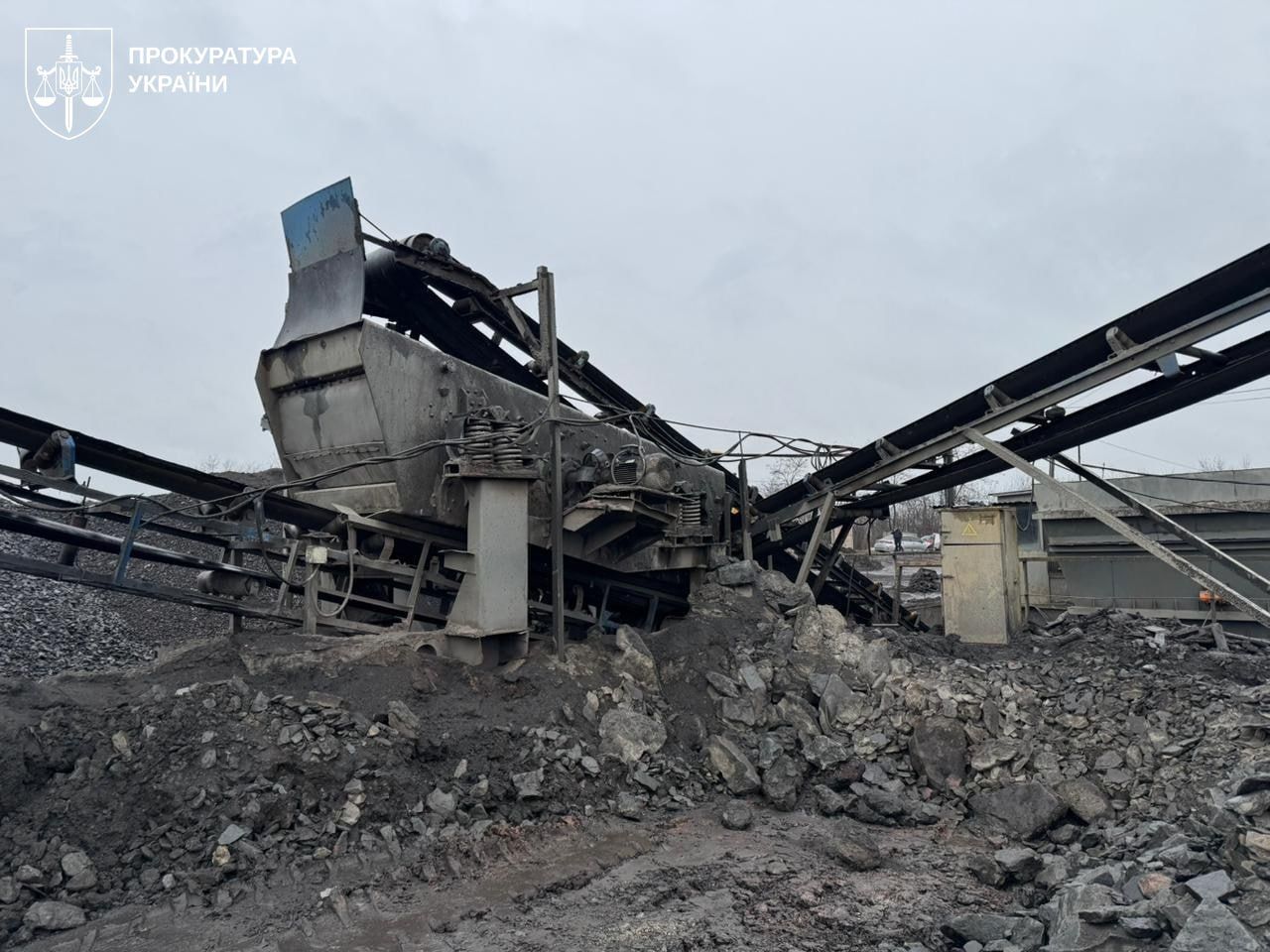
Source: Office of the Prosecutor General
An illustrative example of a systemic issue
The prosecutor's office emphasizes that scientific research is typically used as a cover for illegal extraction. Among recent examples are the industrial extraction of amber in Rivne region and the development of a sand-gravel deposit in Ivano-Frankivsk region. In both cases, the subsoil was allegedly being "studied."
“The 'we study rather than extract' scheme is one of the most common in Ukraine. The moratorium on inspections by regulatory bodies and the narrowed grounds for permit cancellations facilitate this,” Ruslan Kravchenko emphasizes.
Current legislation does not allow for prompt cessation of such crimes. Article 26 of the Subsoil Code of Ukraine blocks the rapid revocation of special permits, even if violations are reliably known and a criminal case is initiated. The Prosecutor General points out that this has been signaled to relevant agencies repeatedly, as the situation requires urgent response at the legislative level.
In its digest, EcoPolitic reported a series of crimes in this sector. For example, in Ternopil region, the company extracted sand loam outside of the designated area, causing environmental damage amounting to UAH 53 million.