The gadgets and electrical appliances we use every day contain toxic chemicals. A recent study has found that these chemicals are already accumulating in the bodies of endangered marine species.
According to Euronews, these are liquid crystal monomers (LCMs), which are essential for the operation of modern smartphone, TV, and tablet screens.
Humankind has become accustomed to high-quality images on their gadgets. Technologically, this is achieved thanks to LCMs, which control the passage of light through screens. But this high-quality technology has a dark environmental side: LCMs can already be found in indoor air, dust, and wastewater. From there, they end up in rivers, seas, and oceans.
It is already known that LCDs can pose health risks to living organisms. However, until recently, it was unclear how they circulate in water bodies and whether they affect marine life.
In the liver and brain of rare species
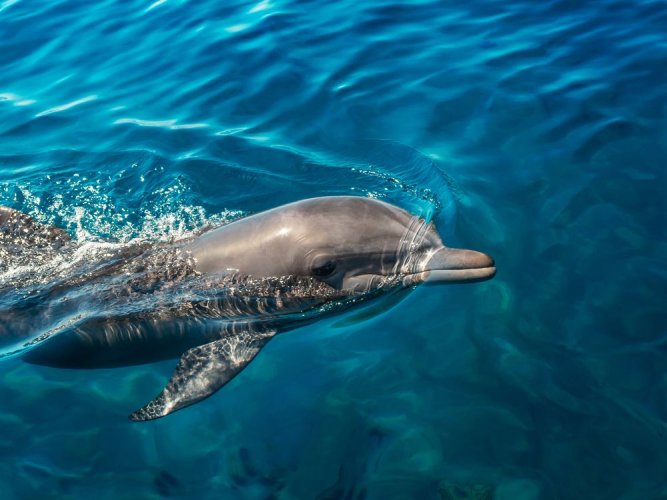
Between 2007 and 2021, scientists collected tissue samples from several rare species living in the South China Sea. These are Indo-Pacific humpback dolphins (Sousa chinensis chinensis) and finless porpoises (Finless Porpoises).
After analyzing the samples, scientists found that more than 60 RCM compounds are already present in various types of mammalian tissues, from fat to brain. The highest concentrations were recorded for four substances.
The study confirmed the main source of RCM in animal bodies: televisions and computer monitors. Smartphones account for a smaller proportion.
Scientists found the highest levels of "technological" compounds in the fat of marine mammals. However, the researchers were surprised to find them in the brain as well, which highlights the risk of contamination with these toxins to the health of living beings.
An interesting trend was the decline in RCM levels in the fat of sea pigs over the years. Scientists attribute this to the transition to LED technology.
Negative effects as a warning sign
Scientists recorded changes in the gene activity of marine animals caused by LCMs. In particular, the "code" for cell division and DNA repair was altered.
The research team emphasizes the importance of further studying the impact of LCMs on wildlife, and they call on global policymakers to improve the disposal of electronic waste.
“Our study shows that liquid crystal substances from everyday electronics are not just pollutants – they accumulate in the brains of endangered dolphins and porpoises. This is a wake-up call: the chemicals powering our devices are now making their way into marine life, and we must act now on electronic waste to safeguard the health of the ocean, and ultimately, ourselves,” said Yuche He, a researcher at City University of Hong Kong and one of the study’s authors.
Earlier, EcoPolitic reported on research that detected PFAS compounds, known as "forever chemicals," in the bodies of dolphins and whales.