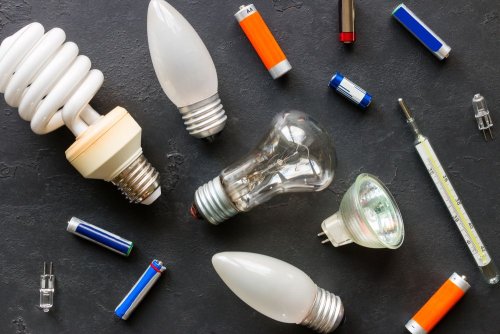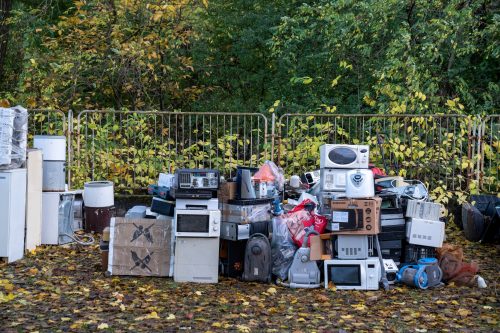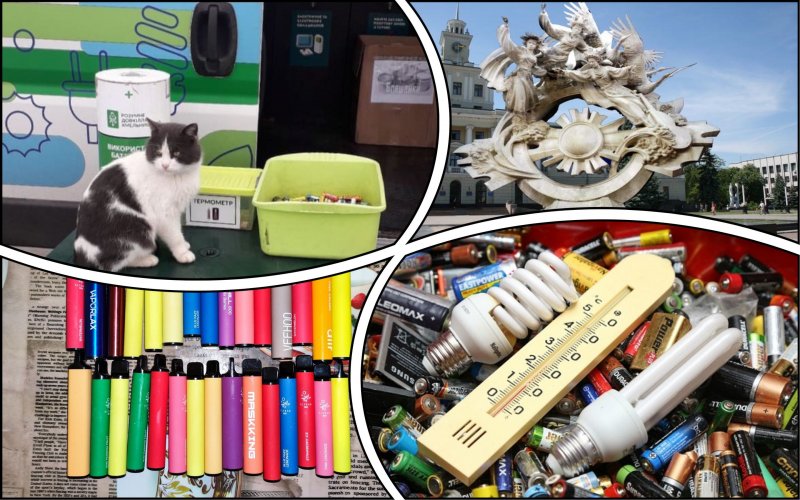
In Khmelnytskyi in November, batteries, fluorescent lamps, household chemicals, medicines, used single-use cigarettes, electrical equipment, etc., can be handed over to the "ecobus" mobile hazardous waste collection point for recycling.
The ecobus parking schedule was published on its Facebook page by the public organization "Smart Environment. Khmelnytskyi".
The following types of waste can be brought into the ecobus:
- batteries and accumulators;
- fluorescent lamps;
- thermometers and mercury-containing materials;
- paints, glues, solvents (with containers);
- electrical and electronic equipment;
- detergents, household chemicals (with containers);
- expired medications.
This garbage cannot be thrown into the general container, because it has an extremely negative effect on the environment. But thanks to the ecobus, it will be recycled or disposed of.
In addition, hazardous waste can be brought daily to the Waste Management Centers (7 Myru Ave. and intersection of Chornovola and Pilotska streets ) from 8:00 a.m. to 7:00 p.m.
It is worth noting that useddisposable cigarettes can be brought to the ecobus and Waste Management Centers, to make from their accumulators initiations for munitions dropped by FPV drones.
Schedule of stops in November:
- November 2, 12:00-17:00 – Lezneve microdistrict, "Econom" store, 57 Vinnytsia highway;
- November 3, 09:00-17:00 – South-Western microdistrict, "Novator" plant, Ternopilska Street, 17;
- November 4, 09:00-17:00 – Grechany microdistrict, Olimpiyska stop, market;
- November 5, 09:00-17:00 – Vystavka microdistrict, "Silistra", Myru Avenue, 74;
- November 8, 12:00-17:00 – Vystavka microdistrict, Institute of the Interregional Academy of Personnel Management (IAUP), Myru Avenue, 101A;
- November 9, 12:00-17:00 – Ruzhichna microdistrict, "Pan Divan" store, str. Kamianetska, 170;
- November 10, 09:00-17:00 – Tsentralny district, "Silpo" store, str. Shevchenko, 34
- November 11, 09:00-17:00 – South-West microdistrict, street Instytutska, 7, Delicate store;
- November 12, 09:00-17:00 – Zarechje microdistrict, "Stary Mlyn" cafe, str. Zarichanska, 40;
- November 15, 12:00-17:00 – Central district, Philharmonia, Gagarina Street, 7;
- November 16, 12:00-17:00 – Grechany microdistrict, "Ploskyriv" Sports and Cultural Center, 90 Kurchatova Street;
- November 17, 09:00-17:00 – South-West microdistrict, Lvivske Shosse 41, "ATB" store;
- November 18, 09:00-17:00 – Dubove microdistrict, Kozatska Street, 54/2, DNZ #1;
- November 19, 09:00-17:00 – Ozerna microdistrict, "Dana" store, 28/3 Panasa Myrny Street;
- November 22, 12:00-17:00 – Ozerna microdistrict, "Dobroho dnya" pharmacy, str. Zaliznyaka, 4;
- November 23, 12:00-17:00 – Vystavka microdistrict, polytechnic college, Zarichanska Street, 10;
- November 24, 09:00-17:00 – Zagotzerno district, "Shoes for your family" store, Kamianetska street, 38;
- November 25, 09:00-17:00 – Rakove microdistrict, str. Garrison "Hotel-dormitory";
- November 26, 09:00-17:00 – Tsentralny district, "Dytyachii Svit" shopping center, str. Kamianetska, 19.
As EcoPolitic reported earlier, a new Waste Management Center, which became the second in the city, was opened in Khmelnytskyi in the Rakove microdistrict.