Environmental activists have filed a criminal complaint with the Office of the Prosecutor General over illegal actions by the former Ministry of Ecology and Natural Resources. According to the Kyiv Ecological and Cultural Center, the limits imposed on national parks for the harvesting of berries, mushrooms, medicinal plants, and reeds may threaten the lives of wild animals in areas where they are protected by law.
According to the KECC, the limits issued contradict Ukrainian legislation, in particular the Law "On the Natural Reserve Fund of Ukraine."
Excessive limits
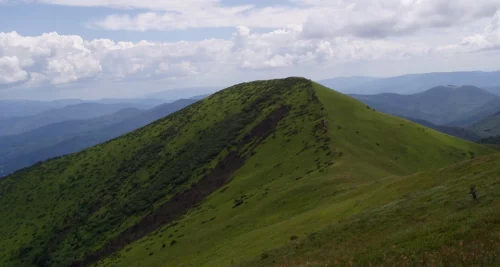
In their statement, environmental activists provide a list of what they consider to be illegal limits. In particular, they mention the permission granted to the Uzhansky National Park to harvest more than 140 tons of mushrooms and berries, including in the regulated recreation zone. The Synevyr National Park received a similar limit for harvesting almost 130 tons.
The Shatsky and Lower Dniester National Parks, as well as the Danube Biosphere Reserve, received limits for harvesting reeds. The permits also do not prohibit work in regulated recreation areas.
"The issuance of these limits by the Ministry of Environment of Ukraine violates the current legislation of Ukraine and causes significant environmental damage to protected ecosystems. We request that criminal proceedings be opened, the facts be investigated, and those responsible be held accountable," the Center emphasizes.
Reduction of food sources
According to the KECC, only 300 brown bears live in the Ukrainian part of the Carpathians. In summer, these animals mainly feed on berries, the industrial harvesting of which leaves the bears without food.
"The Red Book of Ukraine recommends increasing the 'food value of land' as one of the measures to protect bears, but the Ministry of Environment and some Carpathian national parks are doing exactly the opposite," writes the KECC.
Rare birds also feed on berries. In national parks that have been given excessive limits, these include the capercaillie, black grouse, and hazel grouse. These birds have become rare precisely because of the reduction in the area of berry fields.
Waterfowl without a home
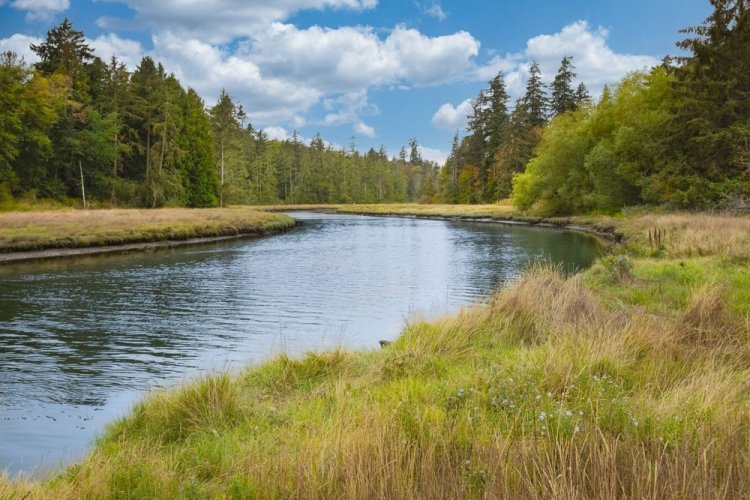
Reed cutting has an extremely negative impact on birds. Such work destroys the nesting and wintering grounds of birds. This even applies to rare species such as the cormorant, yellow heron, white-eyed tern, little cormorant, and spoonbill.
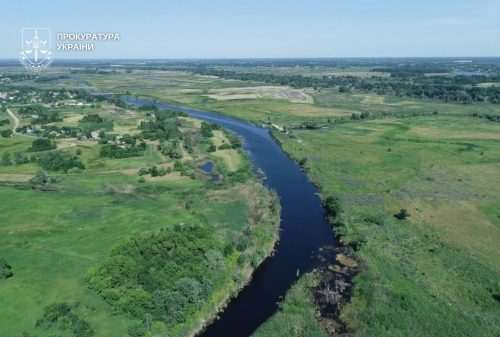
Special equipment is often used to harvest reeds, which leads to the irreversible removal of biological mass from protected river banks.
Previously, conservationists from the Kyiv Ecological and Cultural Center applied to the Specialized Environmental Prosecutor’s Office of the Office of the Prosecutor General of Ukraine over deforestation. The Ministry of Environmental Protection permitted national parks to cut down trees even during the breeding season of wild animals, when this is strictly prohibited.