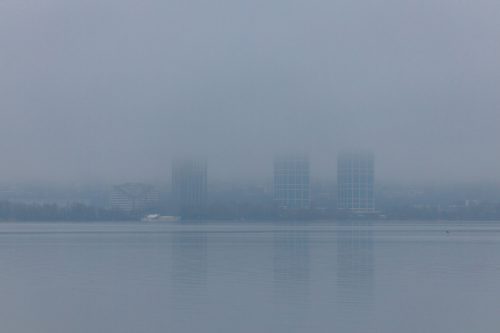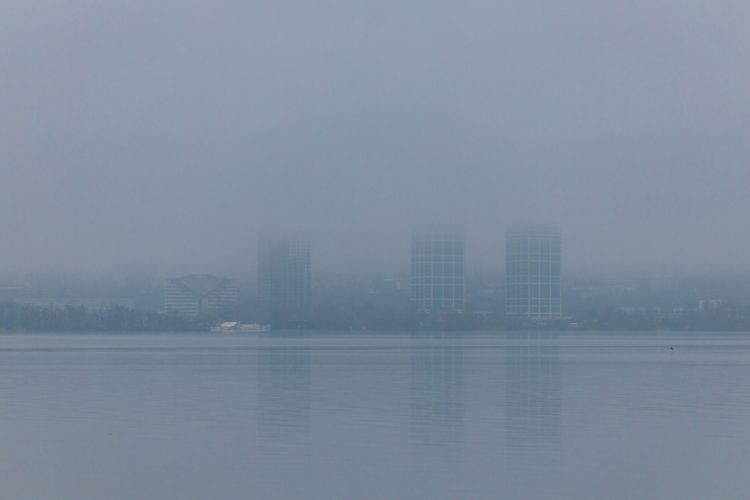
As of the morning of 12 October, no critical levels of pollution have been recorded in Ukraine’s regional centres. For the most part, air quality ranges from good to moderate.
EcoPolitic reports this based on data from the international monitoring platform IQAir.
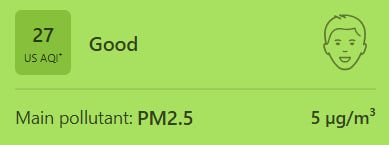
In Kyiv, the average readings from monitoring stations indicate good air quality. The main type of pollution is PM2.5 particulate matter, with a concentration of 5 µg/m3. According to the World Health Organisation, the upper limit of the standard is 5.5 µg/m3.
Within the city limits, levels exceeding the moderate pollution threshold have been recorded on Yevhen Konovalets Street, with 19.2 µg/m3 of particulate matter. Air quality is also in the ‘yellow’ zone in some settlements near the capital — Vyshhorod (9.2 µg/m3) and Sofiivska Borshchahivka (10 µg/m3). In Velyki Dmytrovychi, a ‘red’ danger level has been recorded, with a particulate matter concentration of 104.3 µg/m3.
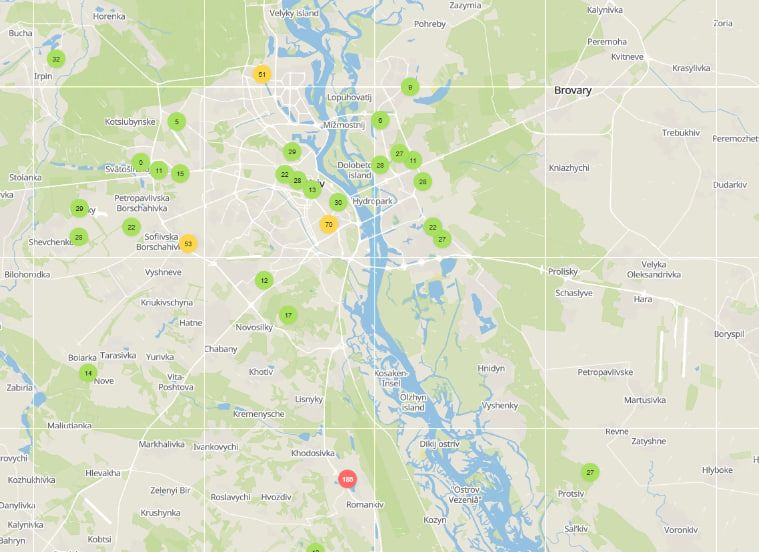
Moderate levels of pollution have been recorded in a number of major cities. Below is a list of these cities, showing the concentration of the key pollutant:
- Dnipro — 29.7 µg/m3;
- Cherkasy — 16.2 µg/m3;
- Kharkiv — 13.9 µg/m3;
- Zaporizhzhia — 12.6 µg/m3;
- Khmelnytskyi — 10.5 µg/m3;
- Kherson — 9.8 µg/m3;
- Poltava — 9.6 µg/m3.
In the following regional centres, the air is safe and free from excessive pollution:
- Chernihiv — 9 µg/m3;
- Rivne — 9 µg/m3;
- Mykolaiv — 8.8 µg/m3;
- Ivano-Frankivsk — 5 µg/m3;
- Odessa — 4.3 µg/m3;
- Ternopil — 3.7 µg/m3;
- Lutsk — 3.2 µg/m3;
- Chernivtsi — 3 µg/m3;
- Lviv — 2.7 µg/m3;
- Vinnytsia — 2.3 µg/m3;
- Uzhhorod — 2.2 µg/m3;
- Zhytomyr — 2 µg/m3.
As a reminder, air pollution can trigger flare-ups of lung and cardiovascular diseases, and, with prolonged exposure, can cause these conditions to develop in healthy people. Find out more about how the environment affects the body in the article.