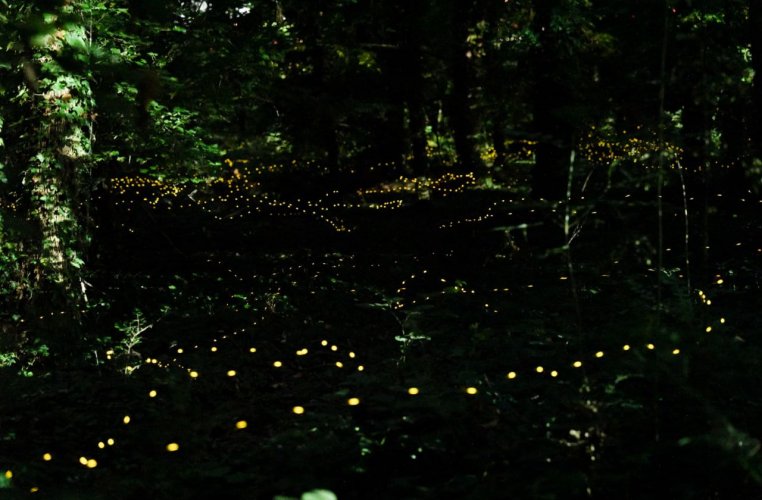
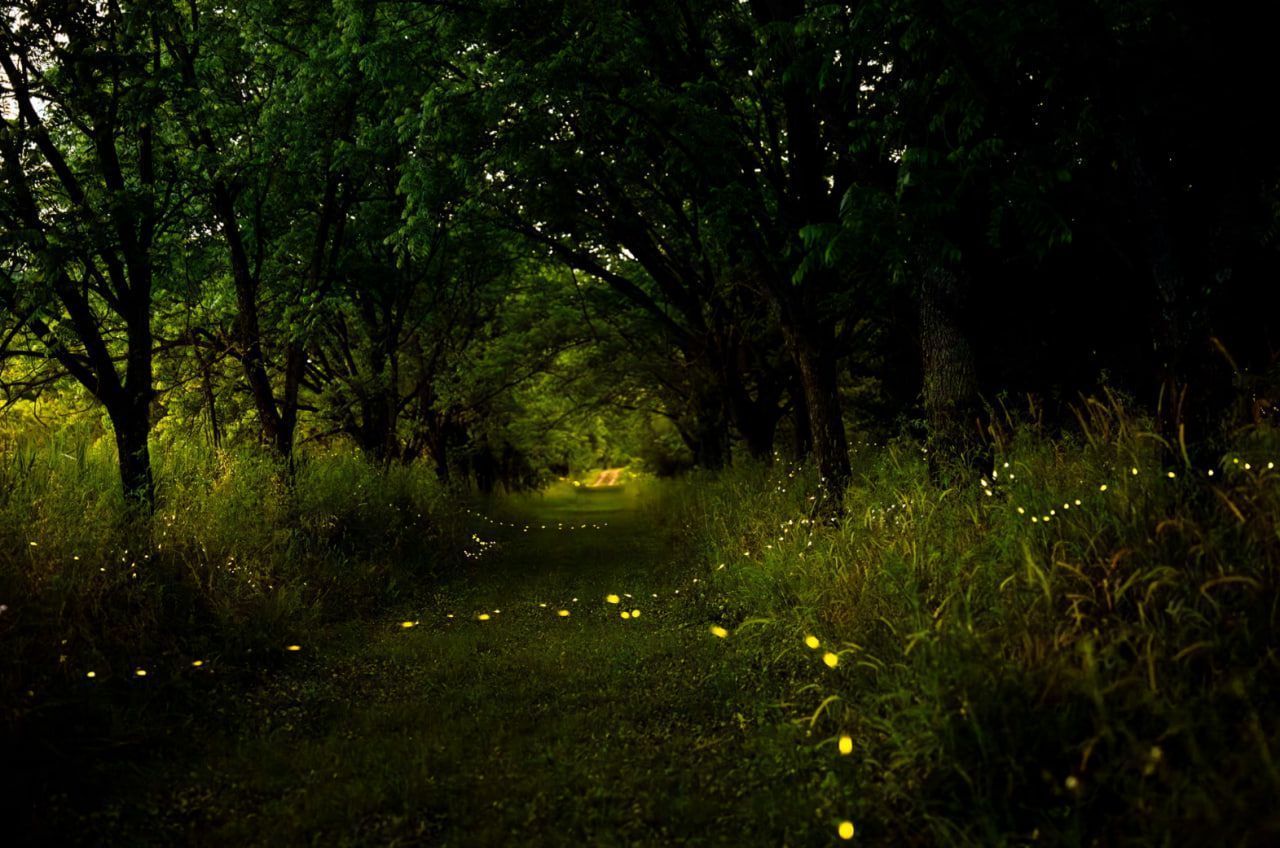
Researchers are sounding the alarm—the firefly population in Europe is steadily declining. The elusiveness of these insects adds to the difficulty, making monitoring challenging.
According to The Guardian, in some regions of the UK, the number of fireflies is decreasing by 3.5% every year. This is confirmed by research conducted by entomologist Tim Gardiner, which he has been conducting for 18 years.
What threatens fireflies
Global warming. Snails and slugs are the main food source for firefly larvae. Therefore, the hotter the weather, the less food there is for them. The increase in the number of neglected gardens without irrigation, observed, for example, in Spain, also adds to the problem.
Man-made barriers. In most firefly species, females cannot fly. As a result, they move “on foot” within small areas where they themselves were born. Even the slightest obstacle – such as a ditch, let alone a road – can threaten an entire local population. A drastic change in the biome can lead to a sharp decline in the number of individuals of the species. For example, this has been observed in Italy in regions where the area of agricultural land has increased.
The lights of human cities. The glowing “signals” of females are extremely important during the mating period, but they are outshone by streetlights, garden lamps, or spotlights. Artificial light disorients male insects and disrupts the mating process.
Source: The Guardian
Initiatives by enthusiasts
Various measures are being used to save fireflies, ranging from "home-based" to radical ones.
Italian professor Fabio Falchi, writes The Guardian, started by reducing light pollution in his own garden. For example, all outdoor lighting now works only with motion sensors.
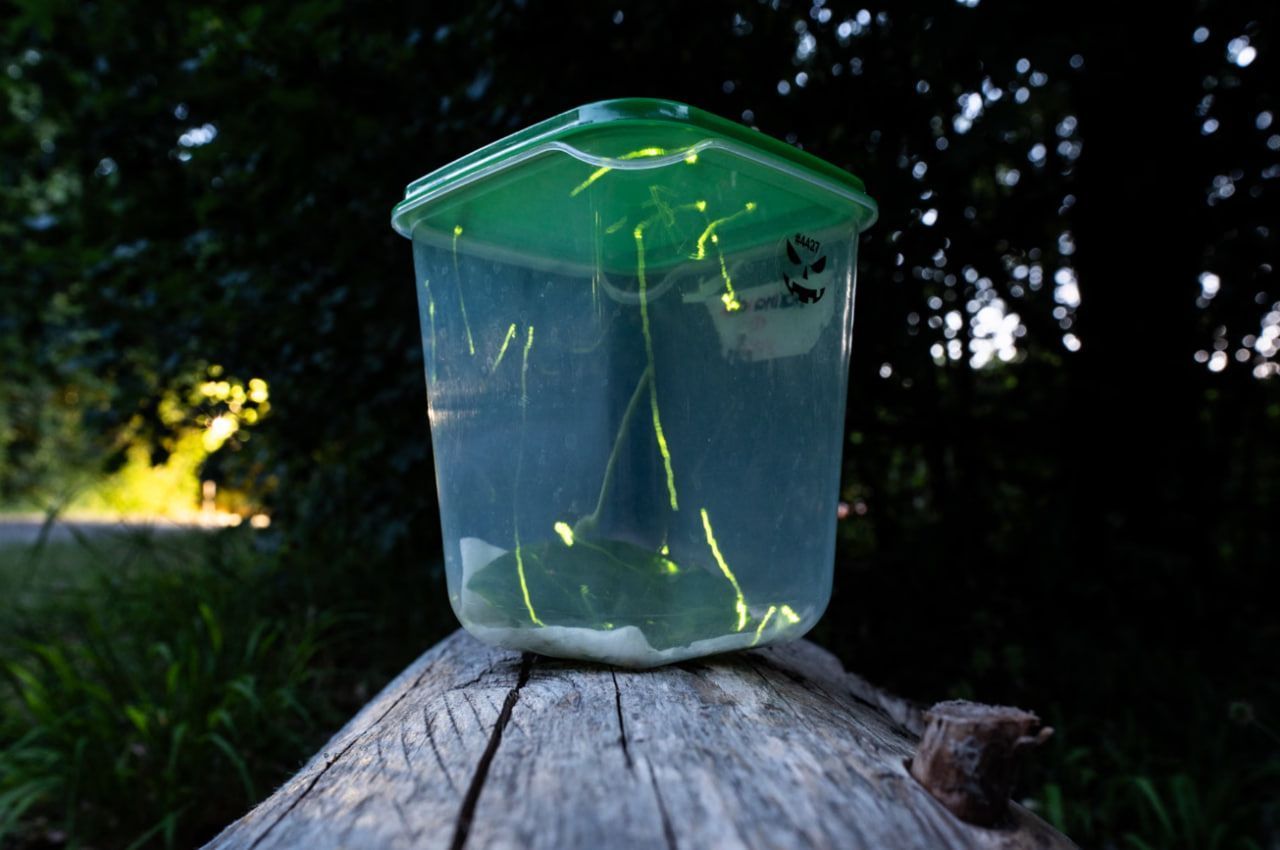
Ecologist Pete Cooper from Bristol decided to breed entire populations of insects on his own. He breeds fireflies in captivity to reintroduce them into their former habitats. A similar initiative is planned for the Nosterfield Nature Reserve, which will be populated with these glowing insects. However, there are significant risks associated with this method. As entomologists point out, a place may seem ideal for fireflies to humans, but in fact, it may not be.
Source: The Guardian
In general, everyone agrees that it is important to restore wildlife. This will help not only fireflies, but also other species of animals and plants. For example, in the village of Binasco near Milan in the 1990s, there was a real boom in fireflies on the restored land.
EcoPolitic has previously written about how rewilding affects the Ukrainian steppes and carbon sequestration.