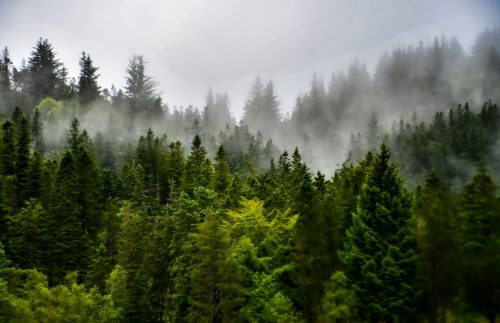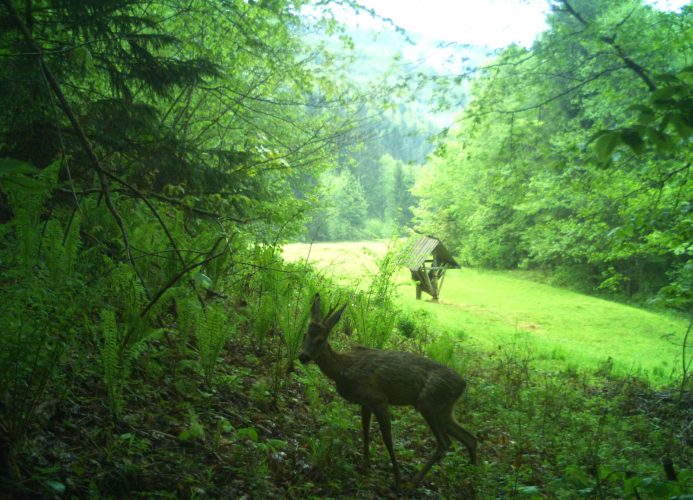
Over 2.4 hectares of post-forest meadows have been restored in the Carpathian Biosphere Reserve. This network of semi-natural spaces is essential for the migration of wild animals, and therefore for their reproduction and survival as a species. This is especially true at a time when people are building new roads and dams and intensively cutting down forests.
According to WWF-Ukraine, the work was carried out as part of the ForestConnect project, which is funded by the European Union under the Interreg Danube Region program.
In total, four meadow areas were restored: the former Kvasna hayfield, the Radomir meadow near the border with Romania, the abandoned Maslokrat pasture, and the overgrown Burkut farmstead meadow.

Source: wwf.ua
Ecological islands in the forest
High-mountain meadows in the Carpathians are treeless or semi-open patches within continuous forests. Known as tsarynka or polonyna, these areas are extremely important for animal migration. Such clearings in the forest massif facilitate the passage of migratory routes for non-forest species that require open spaces.
For decades, the meadows maintained their ecological state and function. This was supported by the local population's haymaking and livestock grazing. However, traditional land use is now declining in some places, and meadows are becoming overgrown with self-sown trees and shrubs.
Restoring meadows will not only help migrating animals. Sun-loving flowering plants grow in these areas, providing habitat for insects as well. The network of meadows connects, creating a unified area of treeless territory. Additionally, this is part of the landscape of the traditional Ukrainian Carpathians.
Phased restoration of meadows
To ensure post-forest areas serve their purpose for animals, reserve staff, members of public organizations, and local volunteers carried out the following work:
- Over 2.4 hectares were mown by hand, and self-sown saplings were removed.
- In the former Maslokrut pasture, a fruit orchard was planted. One hundred wild apple and pear tree seedlings and over 250 cherry plum seedlings will eventually form a true dining area for bears. The late-ripening fruits will provide a food source during the cold period when natural forage is scarce.
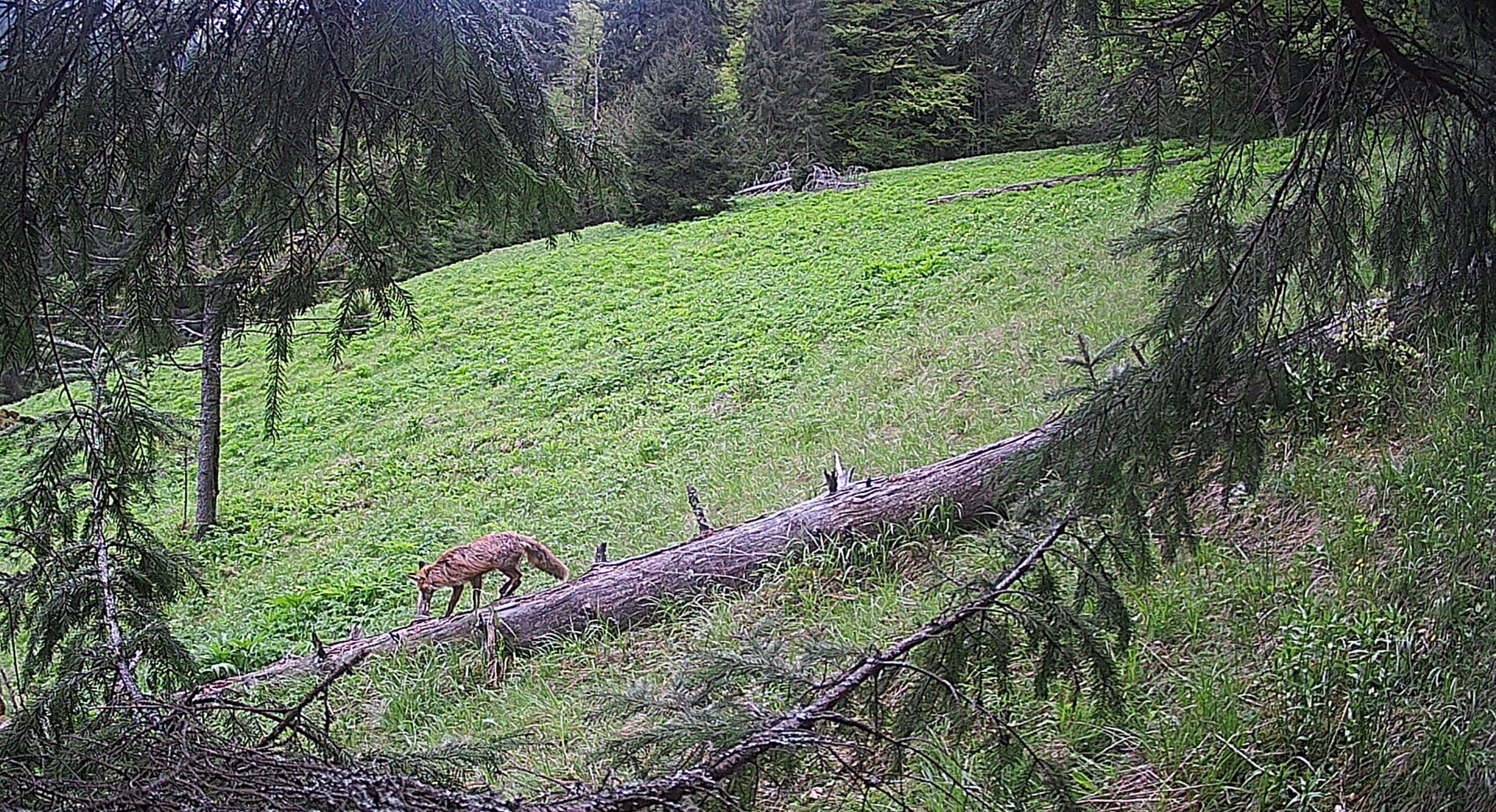
- The network of camera traps, together with the international SMART monitoring system, enables assessment of project effectiveness. Thanks to post-monitoring, roe deer, red deer, and foxes have already been recorded.
Source: wwf.ua
Plans for the future
Restoring post-forest meadows is a process that cannot be accomplished with one-off measures. In 2026, the meadows will be mown again, with saplings and shrubs removed. Ongoing care for the orchard and monitoring of the areas will continue.
Going forward, annual maintenance of the meadows will be assigned to the Carpathian Biosphere Reserve.
EcoPolitic has previously reported how steppe ecosystems are being restored in Ukraine. In particular, both flora and fauna are gradually recovering in the Tarutyn Steppe.