Supporting urban greening programs, reducing the use of chemical fertilizers and pesticides, and implementing waste recycling programs can be effective ways to reduce the anthropogenic burden on the environment from cities.
The State Environmental Inspection of the South-Western District spoke about 5 urgent problems created by megacities and smaller settlements, and options for their solution.
Problem No. 1 – Air pollution
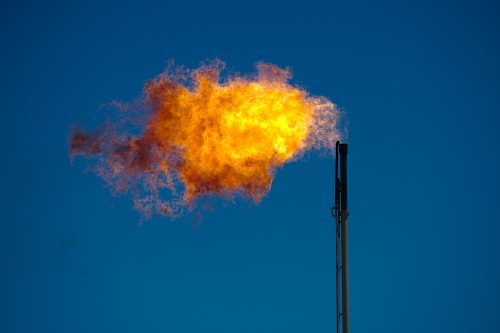
One of the main environmental challenges associated with cities is air pollution. Its main sources are transport and industrial enterprises.
Decision:
- Development of public transport involving electric cars or other environmentally friendly technologies, in particular trolleybuses.
- Development of bicycle and pedestrian infrastructure.
- Implementation and support of urban greening programs and the creation of "green zones".
Problem #2 – Pollution of water resources
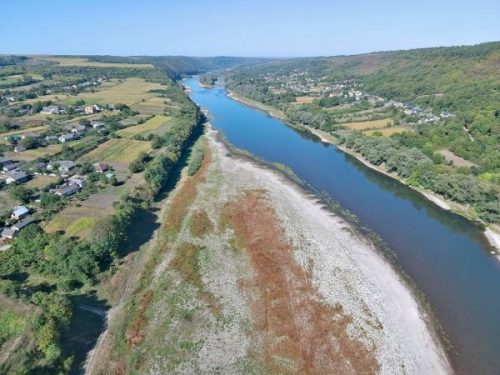
Industrial waste, effluents, and inefficient wastewater treatment systems can lead to deterioration of both surface and groundwater quality. This affects the entire ecosystem.
Decision:
- Continuous modernization of wastewater treatment systems.
- Reducing the use of chemical fertilizers and pesticides in green areas of the city.
Problem No. 3 – Waste and garbage
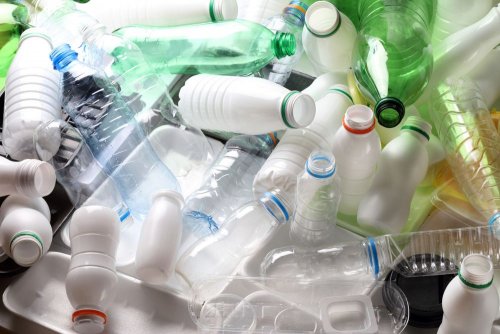
A huge amount of household and industrial waste is generated in cities. Most of them end up in landfills or in water bodies and harm the environment. The problems of disposal and processing of waste in cities only worsen every year due to the growth of the population.
Decision:
- Implementation of waste recycling programs and incentives for citizens to collect garbage separately.
- Development of a circular economy, where waste from one process is used as a resource for another.
- Reducing the use of single-use plastic products and encouraging reusable alternatives.
Problem #4 – Carbon footprint and energy consumption
Cities use a significant amount of energy for lighting, heating, air conditioning and transportation. This is accompanied by large emissions of carbon, which exacerbates climate change.
Decision:
- Switching to renewable energy sources such as solar and wind power.
- Development of energy-efficient technologies for buildings, infrastructure and public transport.
- Use of "smart" energy management systems that allow optimizing its use.
Problem No. 5 – Loss of green areas and biodiversity
Cities often expand by cutting down forests and destroying natural landscapes. This leads to the loss of biodiversity and an increase in the level of carbon dioxide in the atmosphere. Green areas help improve air quality, preserve biodiversity and increase the resilience of cities to climate change.
Decision:
- Creation and preservation of city parks, forest parks and squares.
- Implementation of vertical landscaping and "green roofs" on buildings.
- Support and restoration of natural ecosystems within cities.
In September, EcoPolitic introduced readers to a list of Ukrainian cities with the most polluted air. We also talked about what Italy will finance construction of two waste processing plants in Transcarpathia.