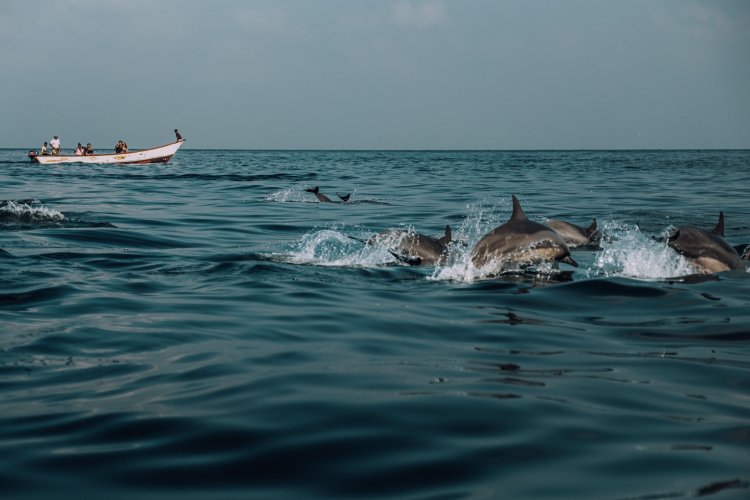
In New Zealand, scientists have studied whales and dolphins for levels of per- and polyfluoroalkyl substances (PFAS) contamination. These chemicals, found in fabrics, packaging, and nonstick cookware, are already considered forever chemicals because they take thousands of years to break down. Some scientists had assumed that the thickness of ocean water would act as a barrier to PFAS. However, this turned out to be a mistake — the bodies of marine animals are also contaminated.
This was reported by Euronews, citing a study published in the journal Science of the Total Environment.
Deep water does not save
The study confirmed the enormous spread of PFAS and that even deep water does not save from poisoning by these compounds.
Scientists took tissue samples from 127 animals representing 16 species of toothed whales and dolphins. Half of these species were tested for PFAS for the first time. The animals came from different habitats. For example, dolphins often feed in coastal, more polluted waters. Sperm whales, on the other hand, find food deep underwater.
“We expected that species which primarily feed in deep waters, such as sperm whales, would have less contamination from perfluorinated acids (PFAS). Our analyses indicate this is not the case. It appears that there truly is nowhere to hide from PFAS,” said Dr Katharina Peters, marine ecologist and head of research at the Marine Vertebrate Ecology Laboratory at the University of Wollongong (UOW).
The cause of systemic disorders
The extent of damage that PFAS can cause is not yet known. However, scientists have already noted that these substances disrupt the reproductive and immune systems.
For example, in 2022, alligators were found to have autoimmune disorders with symptoms similar to lupus. These animals live in North Carolina, USA, in polluted waters.
PFAS is also harmful to the human body. These substances are found in almost all inhabitants of Europe. Pregnant women and even young children are no exception. In humans, polyfluoroalkyl substances also suppress the immune system and cause thyroid disease. They can also cause cancer and infertility.
EcoPolitics previously reported on the dangers of per- and polyfluoroalkyl substances.
The use of “forever chemicals” in Europe is gradually being restricted. After all, PFAS are already being recorded in the cleanest regions. For example, these substances were found in tap water in Sweden, where they entered from a local air base.