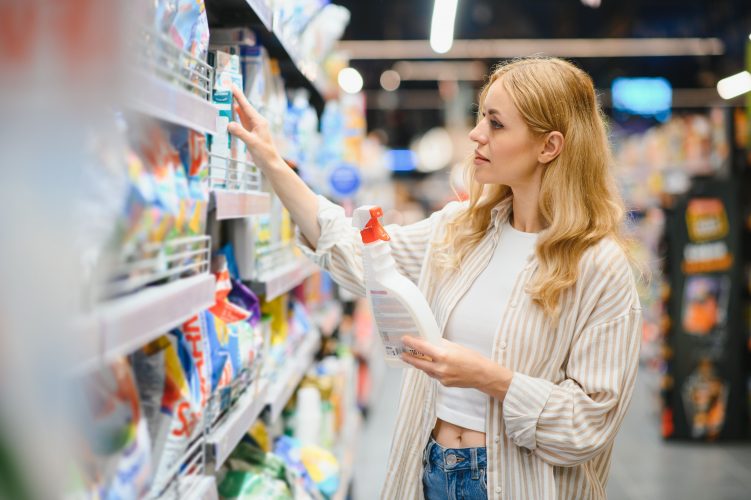
House cleaning is a routine household task, but using the wrong cleaning products can lead to allergic reactions, poisoning, and chemical pollution of the environment.
The NGO "Living Planet" has highlighted the dangers that may be hidden in cleaning products.
Scientific studies show that over 10% of all recorded cases of poisoning were caused by cleaning products. At the same time, the regular use of cleaning aerosols is equivalent to smoking 20 cigarettes.
Even the visual cleanliness of a home can be illusory—after using household chemicals, the air indoors can be up to 10 times dirtier than outside. However, it is not contaminated with dust, but with harmful chemical compounds.
Composition of household cleaning products
Dangerous chemicals may be hidden in the long list of ingredients in cleaning products. It is important to pay attention to the presence of the following ingredients:
- organochlorine and chlorine-reactive substances;
- ethylenediaminetetraacetic acid (EDTA);
- nitromusks and polycyclic musks;
- alkylphenol ethoxylates and alkylphenol derivatives;
- petroleum distillates;
- nitrobenzene, phenols, and cresols;
- formaldehyde;
- phosphates and other phosphorus compounds.
These are active substances, yet often they may be disguised under the name of a prepared mixture with a separate name and registration number. Thus, the same EDTA, for example, can be masked under the label “Trilon B”.
Toxic impact on the body
The most harmful are those compounds that can accumulate in the body. Their effects are long-term and often not immediately noticeable. They have the potential to exacerbate or even cause chronic diseases, disrupt hormonal balance, and cause allergic reactions.
The eco-community notes that some ingredients found in most laundry detergents remain on textiles even after the tenth rinse. In addition to constant skin contact, they also threaten aquatic ecosystems, as they freely pass through wastewater treatment filters.
How to maintain cleanliness without harming yourself or nature?
You do not have to return to ancient methods using vinegar or baking soda. “Living Planet” reminds us that there are already many cleaning products in Ukraine that have passed special ecological certification. All of them bear a special eco-label-the “Green Crane”.
The composition of these agents meets chemical safety requirements, has a high biodegradability index and, according to the organization, does not damage aquatic ecosystems.
EcoPolitic previously reported on simple steps to develop a useful eco-habit-waste sorting.