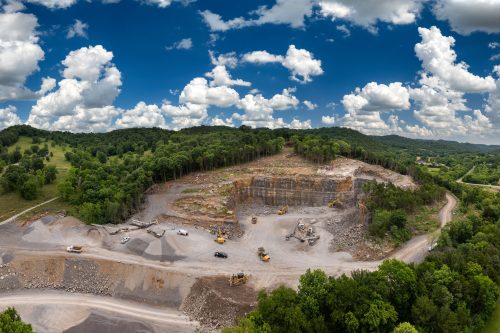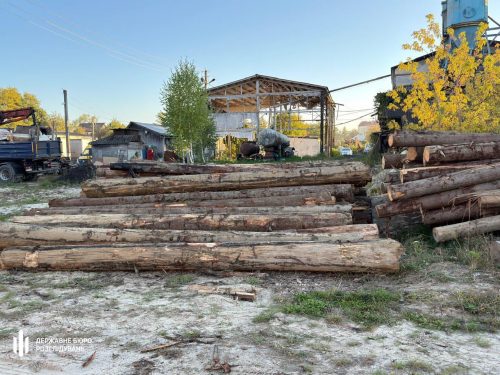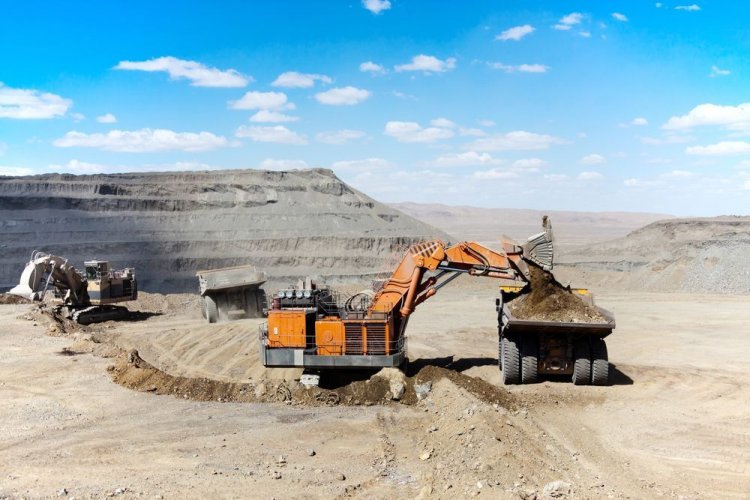
Volodarska and Malovilshanska communities of Bila Tserkva district, Kyiv region, are trying to prevent the resumption of titanium ore mining at the Tarasivske deposit.
This is reported by the KyivVlada publication.
The journalists said that despite numerous protests in the past, in March the Cabinet of Ministers of Ukraine included the deposit in the List of subsoil of strategic and critical importance to be used through auctions. It has a high potential for titanium ore production. The deposit contains titanium, scandium, zirconium, as well as vanadium, distenite, silimanite, staurolite, and high-alumina raw materials.
Why communities are against it
Local residents opposed the development of the deposit because of the risks to the environment, public health, and the ecosystem of the region and the Ros River. Throughout March, communities collected signatures to remove the field from the List of Subsoil Areas of Strategic Importance. In particular, the Volodarska community alone managed to collect more than 6.2 thousand signatures.
The main reasons cited by residents include the following:
- the withdrawal of 1015 hectares of land, of which: 400 hectares of fertile black soil, 615 hectares of forestry land;
- transportation by open trucks to the nearest railway station “Rotok” in Bila Tserkva is fraught with air pollution, destruction of roads and the environment;
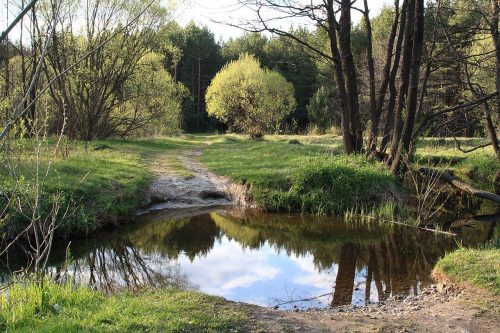
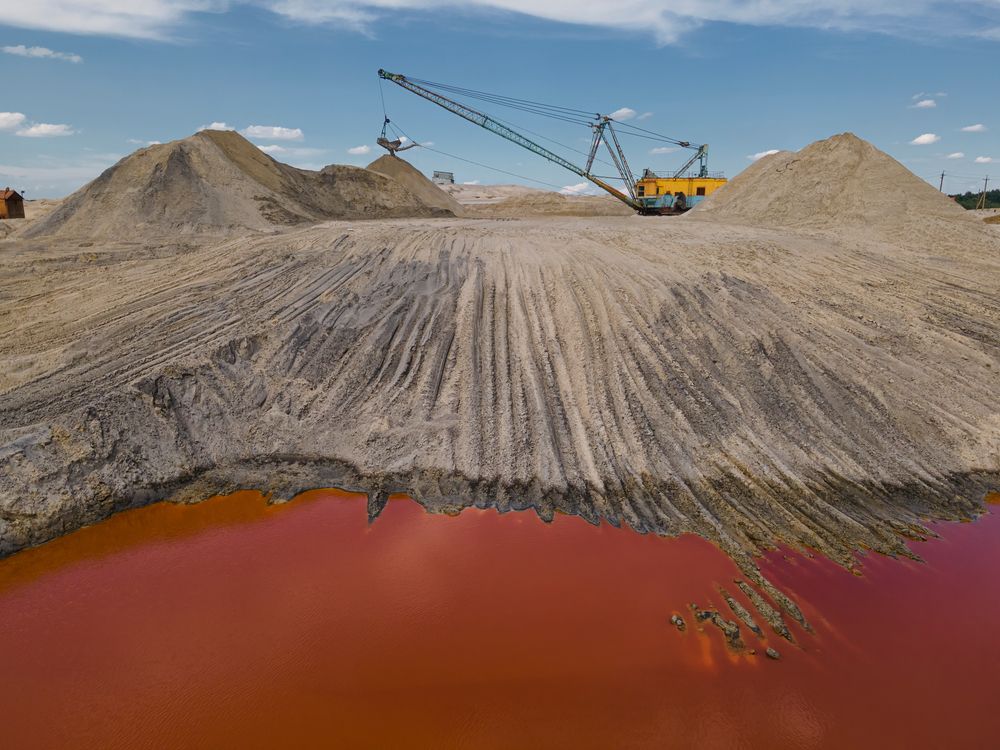
- there is a real threat of waste getting into the water of the Ros River, which serves as the main source of drinking water for Bila Tserkva, Uman and dozens of other settlements;
- destruction of fertile soils, which will lead to the degradation of agricultural land;
- deforestation, which will negatively affect the region's ecosystem;
contamination of groundwater and drinking water, which will create a risk of a shortage of clean water for residents; - air pollution will increase the level of morbidity among the population;
destruction of flora and fauna could lead to an environmental crisis in Bila Tserkva district.
“Given the large area of the deposit and significant volumes of open-pit mining and processing of ore sands, the negative impact on the environment and human life and health can be very significant and irreparable: the ingress of ore sands into groundwater during their extraction and the spraying of these sands into the air,” the community's appeal to the Cabinet of Ministers and the State Service of Geology and Mineral Resources states.
What the regional council thinks
The Kyiv Regional Council sided with the public. Its deputies called such actions of the state during the war “a dangerous and irresponsible initiative”.
Therefore, communities and deputies sent an appeal to the Verkhovna Rada, the Cabinet of Ministers and the State Service of Geology and Mineral Resources of Ukraine against the extraction of zircon-rutile-ilmenite ores in the district. They also sent an official request to the Ministry of Environmental Protection and Natural Resources of Ukraine and other agencies.
How the authorities explain the need to develop the Tarasivske deposit
The Ministry of Environment explained the inclusion of the field in the List by the requirements of the Ukraine Facility Plan and defense needs. Officials noted that titanium ores are recognized as a critical raw material for both Ukraine and partner countries. And since Ukraine has one of the world's largest reserves of these resources, their effective use is a matter of increasing defense capabilities and securing foreign exchange earnings from exports. The government has assured that an environmental assessment will be carried out before any production begins.
The State Service of Subsoil Geology of Ukraine reminded that since 2019, the need to coordinate the transfer of subsoil for use with regional councils has been canceled. Therefore, communities have lost the ability to influence decisions on the use of subsoil on their territory. The service also noted that the development of the Tarasivske field was approved by the Kyiv City Council back in 2007.
The Ministry of Economy noted that the inclusion of the Tarasivske field in the List does not mean an automatic start of production. Officials say that before any activity can be started, it will be necessary to undergo an environmental impact assessment (EIA), obtain a permit for subsoil use through an auction, and obtain an EIA conclusion on the permissibility of the activity, and public discussions are also expected.
As EcoPolitic wrote at the end of March, the government changed the algorithm for determining the price of selling special permits for subsoil use.