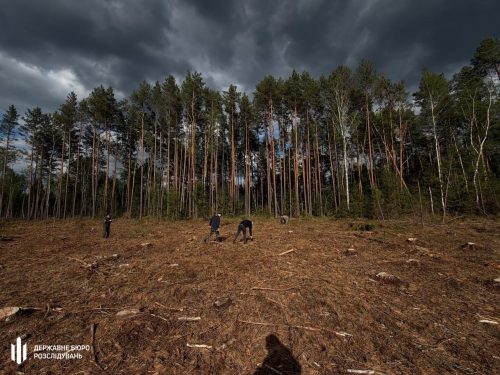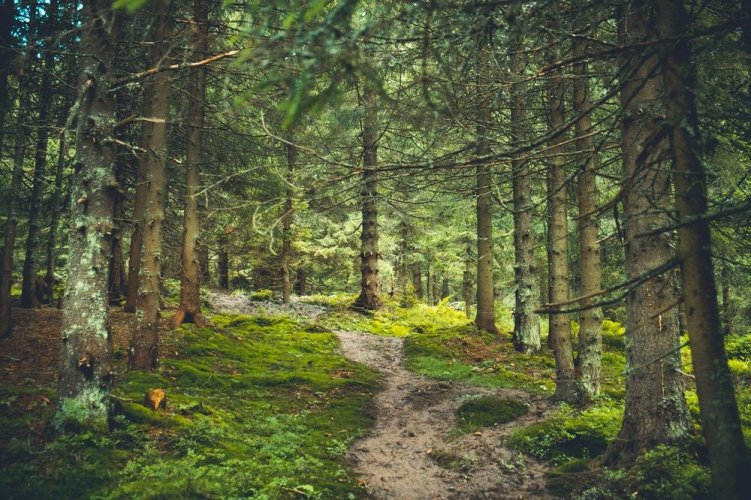
Only 2.3% of the Kharkiv region’s area has protected status. This figure is one of the lowest in Ukraine. However, this does not mean that there are no valuable ecosystems in the region. In 2025 alone, conservationists from the UNCG prepared documentation to establish six landscape reserves, but received no support from the authorities or local communities.
This was reported by the Ukrainian Nature Conservation Group (UNCG).
Refusal to protect
The organisation proposed providing protection for areas covering over 10,000 hectares. These included steppe and forest ecosystems, meadows and floodplains. These lands are part of Europe’s Emerald Network.
However, environmental experts in the Kharkiv region showed no desire to protect nature. The UNCG received a series of refusals, as well as comments from land users and owners. Moreover, according to the organisation, there were even breaches of Ukrainian legislation.
“We witnessed a direct violation of the Law of Ukraine ‘On the Nature Reserve Fund of Ukraine’, since the Kharkiv Regional State Administration did not provide comments or approve any of our submitted petitions. Its officials spent the entire year sending formal replies and forwarding documents,”–the organisation stated.
Objective Reasons or Excuses?
The most popular reason given for refusal to create the reserves was concern that it might impose additional restrictions for residents or the agricultural sector. The latter seems particularly out of place, since only municipal lands were proposed for conservation.
At the same time, UNCG insists–establishing a reserve does not restrict traditional land uses, but only prohibits activities that may harm nature.
The second most common argument was martial law. Environmental experts say this reason is used by authorities who should be developing the region’s network of protected sites.
Overall, in Kharkiv region the designation of protected territories has virtually stalled since after 2010. In many cases, the expansion of nature reserves was zero.
“While nature in Kharkiv region suffers from the consequences of war, it needs more, not less protection. We will continue to work on the creation of these territories and will re-apply to the authorities. Because preserving valuable nature cannot wait for ‘better times’,”–emphasised the UNCG.
EcoPolitic previously reported that the Cabinet of Ministers of Ukraine approved the creation of the national nature park “Chornyi Lis”–the first such site in Kirovohrad region.