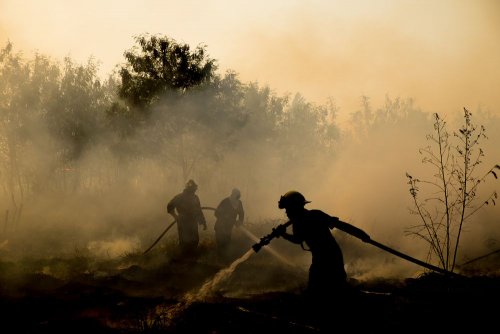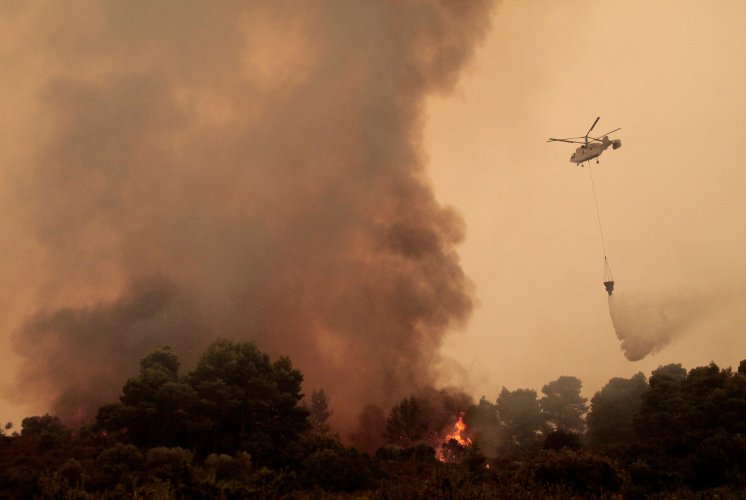
Unprecedented wildfires in Canada and parts of the Amazon last year have become at least three times more likely due to climate change. In Greece, the probability of forest fires has doubled.
Such data were published in the report "The State of Forest Fires" by researchers from the University of East Anglia (UEA), the UK Center for Ecology and Hydrology (UKCEH), the Met Office and the European Center for Medium-Range Weather Forecasts (ECMWF).
They analyzed the fires that occurred between March 2023 and February 2024, their causes and their predictability. The researchers also assessed how much climate change might increase the risk of similar events in the future.
Had it not been for a quiet year in the African savannah, emissions from fires around the world would have been the highest for any period recorded since 2003, experts said. They cite a staggering figure: about 3.9 million km2 of land burned around the world during that year's fire season:
- Fires in Canada led to more than 230,000 evacuations in 2023 and 8 firefighter deaths.
- South America also saw an unusually high number of fires during the 2023-24 season, particularly in the northern parts of the continent. Fires in the Brazilian state of Amazonas, Bolivia, Peru and Venezuela have resulted in the Amazon region experiencing some of the worst air quality on the planet.
- Wildfires in Chile, Hawaii, and Greece also spread quickly and burned intensely. 131 people died in Chile, 100 in Hawaii, and 19 in Greece.
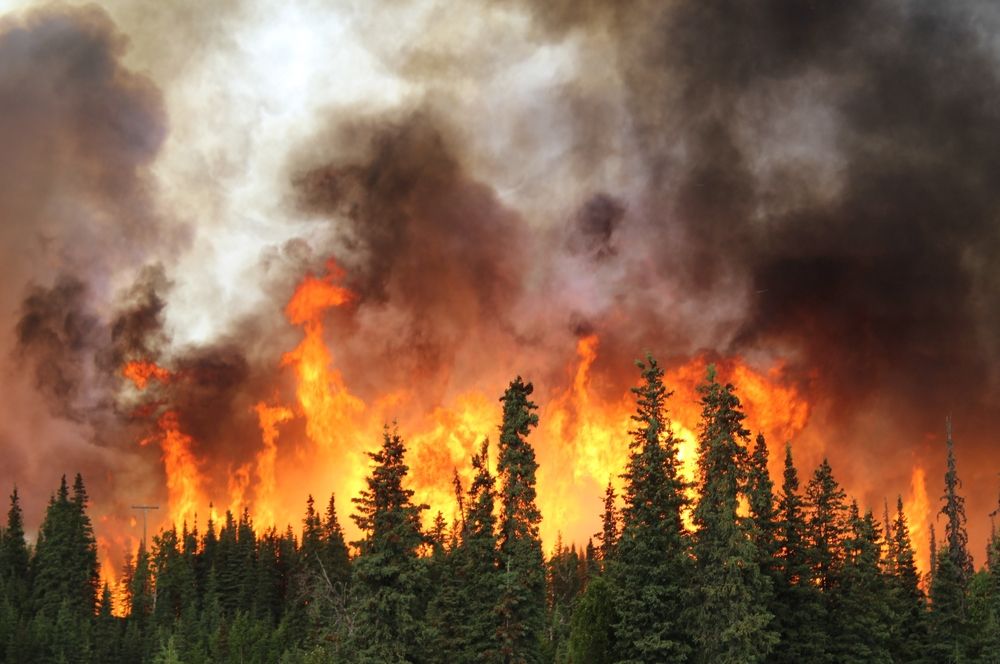
"As the climate warms, wildfires are becoming more frequent and more intense, with societal and environmental impacts," said lead author of this year's analysis, Matthew Jones, a researcher at the Tyndall Center for Climate Change Research in the UAE.
He adds that in one season in Canada, a ten-year level of carbon emissions from fires was recorded – more than 2 billion tons of CO2. These emissions further increase the concentration of CO2 in the atmosphere, exacerbating global warming.
"We're already seeing the impact of climate change on weather patterns around the world, and it's disrupting the normal fire regime in many regions," said Chantel Burton, senior climate scientist at the Met Office.
The frequency and intensity of extreme wildfires will increase by the end of this century, especially if greenhouse gas emissions remain high, the authors of the report believe.
"As long as greenhouse gas emissions continue to rise, the risk of extreme bushfires will increase," explains Douglas Kelly, senior fire safety scientist at UKCEH.
The authors of the report are confident that reducing greenhouse gas emissions will help reduce the likelihood of future fires.
The other day, EcoPolitic reported that a large-scale forest fire in Greece was lightning fast spreads and threatens the capital. We also told that European tourist countries – Spain, Greece, Portugal, Albania and Croatia – suffer from large-scale fires caused by heat.