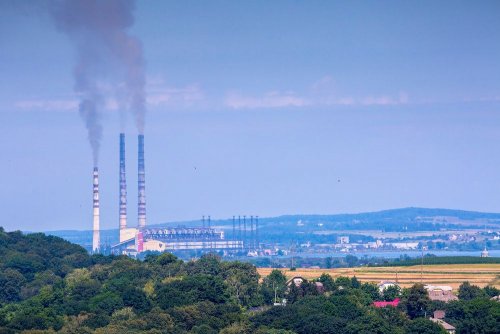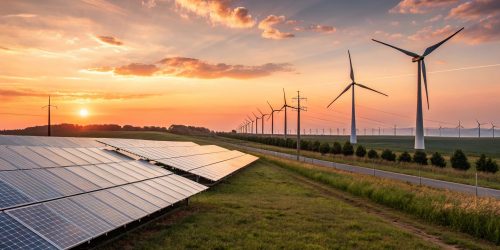
The Canadian government plans to reduce greenhouse gas emissions by 45-50% by 2035 compared to 2005 levels.
This was reported by the Government of Canada press service on its official website.
The Environment and Climate Change Canada (ECCC) will continue to take action in 2025-2026 to accelerate the transition to greener industries, businesses, and infrastructure. The goal is to avoid the effects of climate change and ensure a safe environment for Canadians.
The Government of Canada has made progress in working with partners to protect the environment, building on the Kunming-Montreal Global Biodiversity Framework. Greenhouse gas emissions reductions will continue under Canada's 2030 Environmental Protection Strategy.
ECCC also recently updated the WeatherCan app to help Canadians prepare for and respond quickly to climate change.
In particular, Canada aims to combat plastic pollution to address the growing threat to ecosystems and human health. Therefore, ECCC is working closely with all government, industry, and non-governmental organizations to continue moving forward on a comprehensive plan to reduce plastic waste and pollution.
The government recently launched a new Federal Plastics Registry, which requires companies, including manufacturers and other service providers, to report annually on the amount and types of plastics they produce, import, and place on the Canadian market.
This includes the government requiring companies to report on the treatment of plastic at the end of its life to ensure proper recycling of plastic waste.
We remind EcoPolitics readers that in November, the European Union will set new targets for reducing emissions for 2035 and 2040 ahead of the COP30 climate summit.
European Commission President Ursula von der Leyen said that Europe will stick to its climate goals as Brussels cuts red tape. This will help businesses with the green transition. It will also help attract investment in power grids so that consumers can enjoy the benefits of cheaper renewable energy.