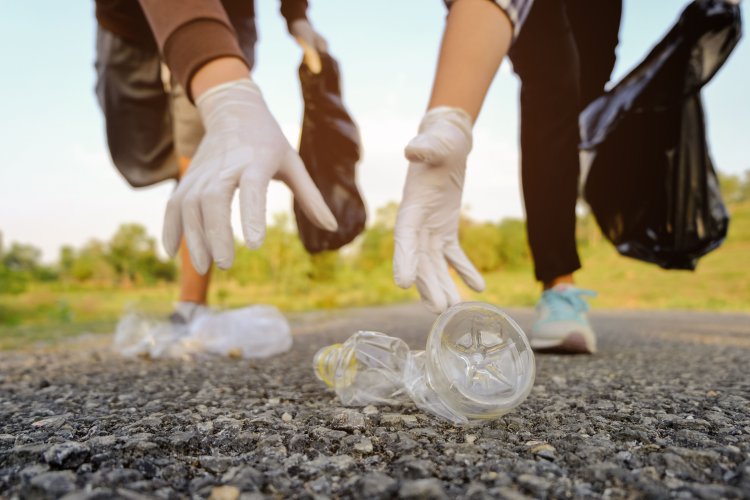
Every year, Ukraine celebrates Environment Day on the third Saturday of April. This year, the celebration fell on April 20.
EcoPolitic emphasizes the importance of preserving the environment and has prepared interesting facts about this day for its readers.
How to celebrate Environment Day in Ukraine
The main goal of the holiday is to draw the attention of citizens to environmental problems and stimulate active participation in nature conservation, rational use of resources, and the formation of environmental awareness. The celebration of Environment Day is aimed at fostering a sense of responsibility for the fate of our planet and our country.
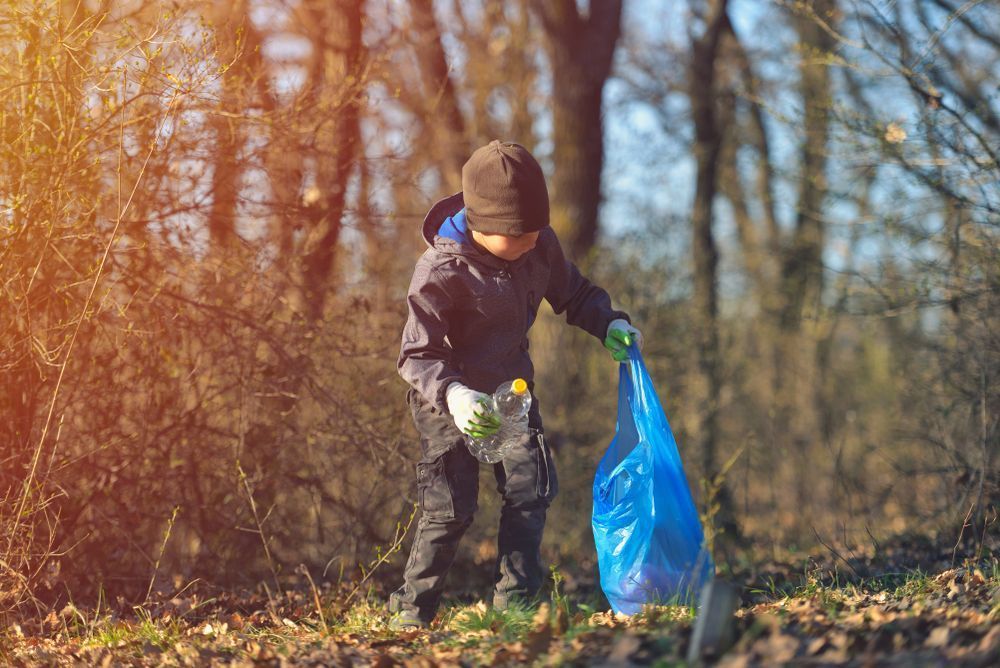
Usually, the authorities and public organizations call on all those who care to participate in the April toloka. During such events, people tidy up their homes, streets, parks and squares. Trees, bushes and flowers are planted, and garbage accumulated over the winter is removed. In addition, environmental conferences, lectures and seminars aimed at raising awareness of the importance of environmental protection are held for Environment Day.
TOP-10 interesting facts for Environment Day
- Each person on average throws out about 1 ton of garbage per year;
- According to the UN, about 1.3 billion tons of food is thrown away every year in the world, which is a third of all production;
- Pollution of the seas and oceans affects people directly. Plastic under the influence of solar ultraviolet disintegrates into small particles, which, due to their similarity to plankton, are eaten by crustaceans and fish, and then these animals end up on the table of people;
- Approximately 10% of all plastic produced ends up in the ocean, absorbing marine ecosystems;
- About 125 million fully functional smartphones are thrown away every year, but only a fraction of them are recycled;
- Every year in Ukraine, more than 13 million tons of solid household waste are generated, more than 95% of them are sent to landfills and landfills;
- According to official data, more than 6,700 landfills and landfills occupy 10,000 hectares of land in Ukraine;
- The amount of plastic waste in Ukrainian rivers reaches the limits of ecological disaster;
- By 2050, the amount of plastic in the oceans is likely to exceed the number of fish;
- Recycling is important not only because it saves resources, but also because ordinary plastic takes more than 500 years to decompose in nature.
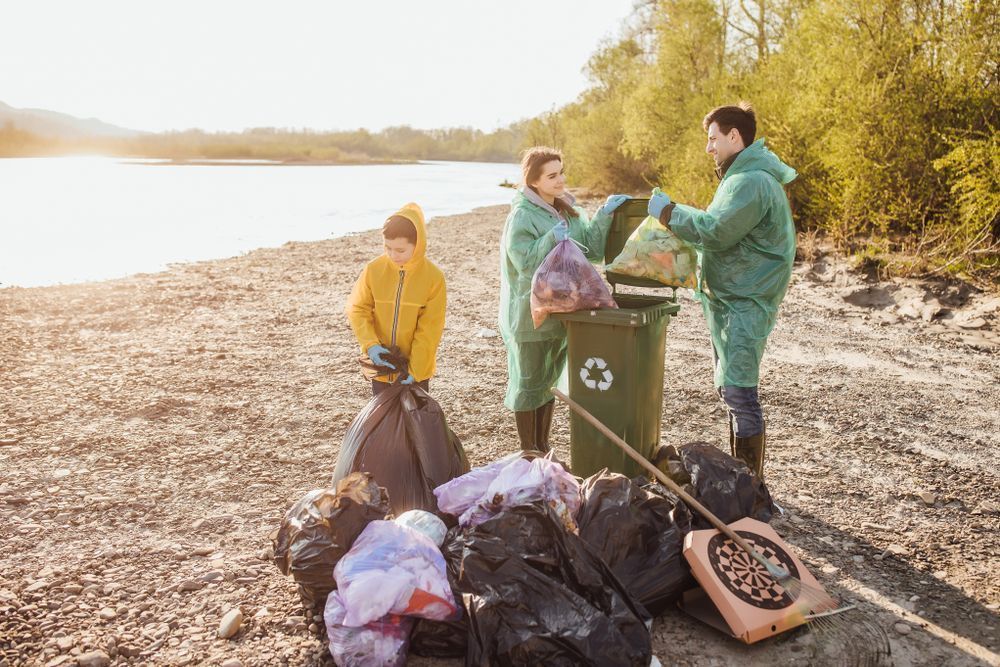
Join in cleaning up your cities and support the preservation of our planet for future generations.
As EcoPolitic previously reported, the UAnimals charity organization invites you to join the All-Ukrainian cleaning march on April 20, on Environment Day.