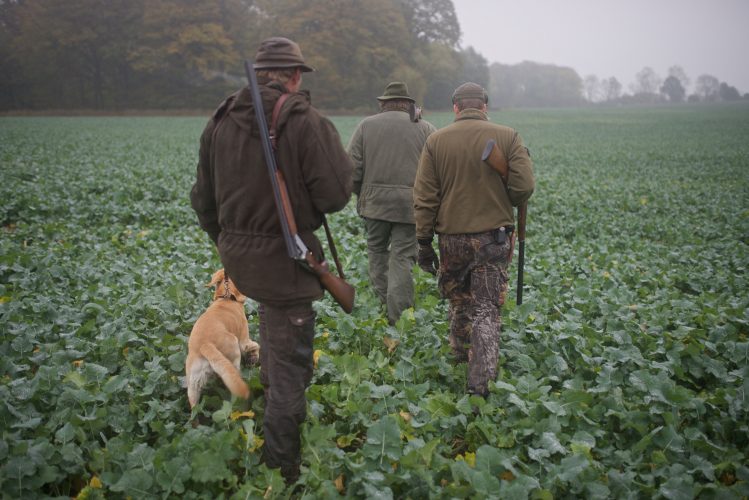
Despite the national ban on hunting, the list of regions where the killing of animals is permitted is growing. Such decisions can be taken by regional administrations, and the Odesa Regional State Administration has become the latest to do so. Meanwhile, environmentalists are outraged by this decision, emphasising that hunting during wartime is a mockery of nature, which is already severely depleted.
Where hunting is permitted and what concerns environmentalists have — find out in this article by EcoPolitics.
The stance of the authorities and hunters
In total, hunting has been permitted in seven districts of the Odesa region. This decision was announced by the Odesa Regional State Administration. The key argument is a 30 per cent increase in the population of carnivorous predators. At the same time, the number of fur-bearing predators is said to have risen by 1.5 times. These include wolves, jackals and raccoon dogs.
"The Odesa Regional State Administration has received numerous reports from local residents regarding the presence of jackals near residential buildings, recreational areas and farmyards. There have also been reports of significant damage to crops caused by wild animals," the regional administration added.
Hunting has been authorised in the following areas:
- Berezivsky;
- Bilhorod-Dnistrovskyi;
- Odessa;
- Rozdilnyansky;
- Izmail;
- Podilskyi;
- Bolhradsky.
At the same time, residents were urged to observe the safety measures put in place under martial law.
As reported by the media outlet ‘Suspilne’, the text of the order has not yet been published by the Regional State Administration.
Criticism of environmentalists
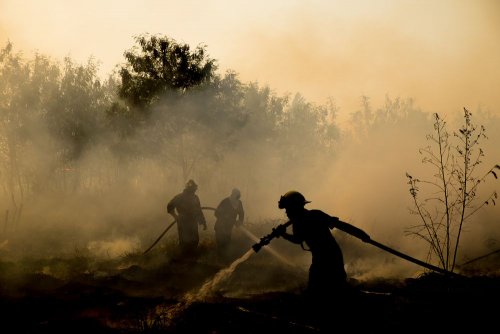
Environmentalists have publicly criticised the administration’s decision. In particular, Ivan Rusev, head of the research department at the Tuzly Estuaries National Nature Park, stressed that hunting poses an additional risk to the natural environment. This is particularly cynical given the strain caused by military operations — explosions, shelling and pollution.
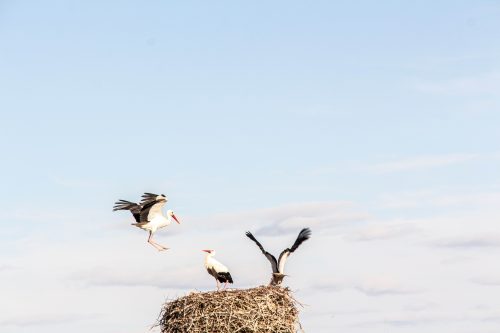
The researcher even drew attention to the impact of shotgun pellets, which birds often swallow after a hunt, as they settle at the bottom of water bodies.
"In the bird’s muscular stomach, under the action of gastric juice and mechanical grinding, lead gradually dissolves and is absorbed into the bloodstream. Lead is a potent neurotoxin and a heavy metal. It destroys red blood cells (causing severe anaemia), damages the central nervous system, paralyses the digestive tract (the bird loses the ability to digest food) and the kidneys,” said Ivan Rusev.
The environmentalist believes that hunting during wartime is simply a mockery of nature and common sense.
It should be noted that, amongst other regions, hunting has also been permitted in the Khmelnytskyi region. However, right from the start of the season, environmental inspectors began recording breaches of the rules.
At the same time, the country’s environmental groups are calling for a complete ban on hunting. They describe the practice as violent and utterly unjustifiable.