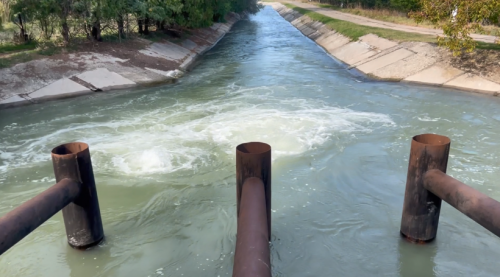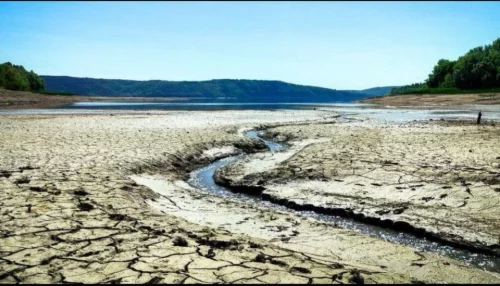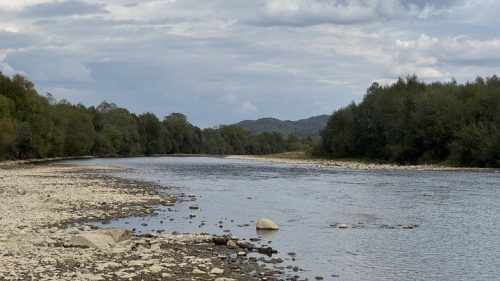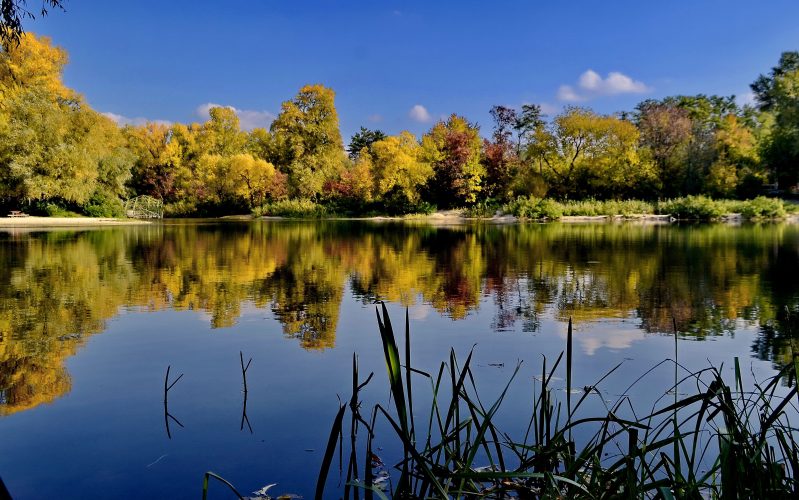
Lakes, artificial reservoirs and a river estuary within the capital are to be cleaned up in order to restore ecological systems and improve the odour, colour and clarity of the water. The ecological restoration is being carried out at five water bodies, and the municipal enterprise ‘Pleso’ is responsible for the work.
This was reported by the Kyiv City State Administration.
Different types of water bodies
The project covers two natural, enclosed lakes — Soniachne in the Darnytskyi district and Berezka in the Dniprovskyi district.
Two artificial water bodies, which effectively serve as reservoirs for surface water and rainwater, will also be restored — Opechen-1 (Nyzhnia, Yordanske Lake) in the Obolon district and on Kostyantyn Dankevych Street (Quarry 3) in the Desnianskyi district.
The project also includes the Desenka River estuary in the Dnipro district, where siltation and cyanobacterial blooms have been observed.
The variety of water bodies will make it possible to test the effectiveness of biological products on different types of sites.
Stages of recovery
This process involves not only the actual carrying out of the work, but also scientific research and analysis of the current situation. According to the Kyiv City State Administration, the restoration comprises the following stages:
- Assessment of the ecological status. Experts have already collected and analysed data on the current condition of water bodies. In particular, they took samples of benthos, phytoplankton and zooplankton.
- Application of biological agents. Biological agents are used for the natural treatment and biological degradation of organic pollutants.
- A repeat comprehensive environmental assessment of the situation. It is important to determine how the work carried out has affected the situation. Therefore, once the work is complete, the specialists will take further samples to compare the results.
"We view this work as a systematic environmental process: first, we need to assess the condition of the water body, carry out the necessary measures and then verify the results. That is precisely why the monitoring stage of the research is so important. It will help us understand how the condition of a particular water body has changed following the work," emphasised Andriy Vagin, head of the municipal enterprise "Pleso".
As a reminder, work to clean up oil products from Lake Kyrylivske lasted for over two months. As of 5 July, the oil slick covered an area of 20,600 m². Staff from the State Emergency Service collected almost 320 cubic metres of the contaminant from the surface.