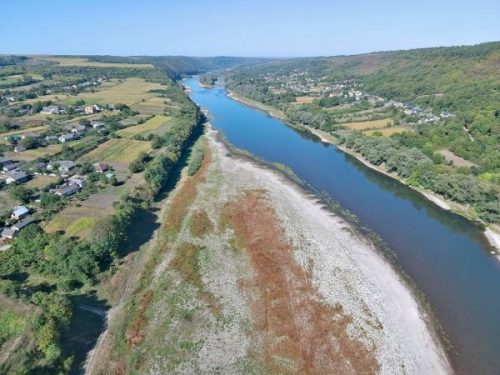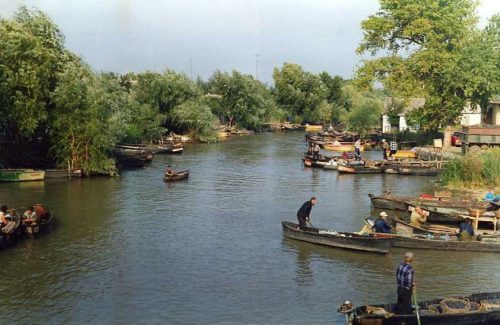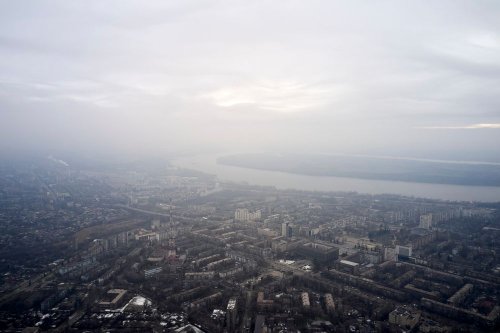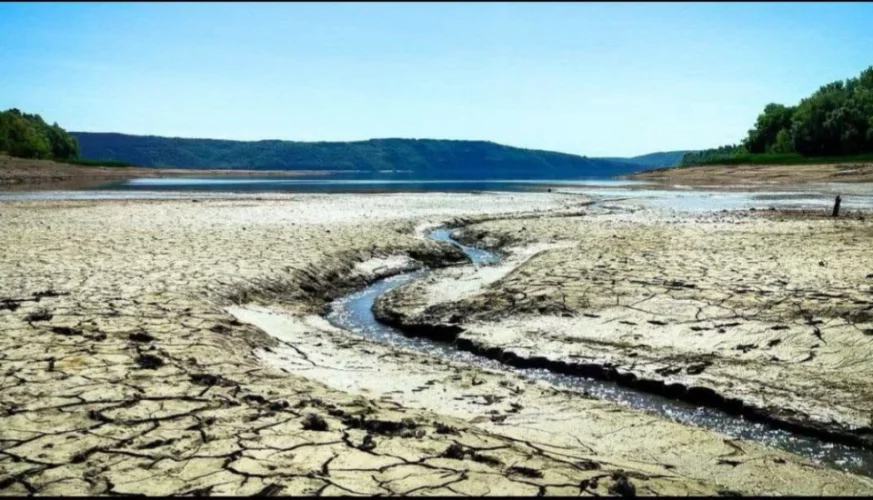
In a number of regions across Ukraine, river levels have fallen to historic lows and even below them. According to the Ukrainian Hydrometeorological Centre, the situation is most critical in western Ukraine. Climate change is the root cause of this water shortage, but people should start learning now how to conserve water and adapt to the new circumstances.
Vasyl Dyakiv, Head of the Department of Environmental and Engineering Geology and Hydrogeology at Lviv National University, told the media outlet Espreso.Zakhid about this.
Heavy rain won’t improve the situation
According to the scientist, even if the regions experience heavy downpours in the coming days, this will not be enough to fully replenish reservoirs or saturate the soil. Short-lived, heavy rainfall does not help to restore water reserves; it may only cause further problems.
"All the water will flow into the river and quickly be carried downstream. To replenish water intakes and aquifers, we need light but prolonged rainfall. In other words, there should be no surface runoff, and all the rainfall should have time to infiltrate the soil and replenish the water supply," said Vasyl Dyakiv.
It’s all in the soil
It is not only rainfall but also groundwater that is important for maintaining stable water levels in rivers. This is primarily influenced by the water level in the so-called first aquifer. The geologist emphasises that a river becoming shallower often indicates that the tributaries and small streams that fed the river have dried up.
The most effective way of maintaining normal groundwater levels is the spring snowmelt — a slow and prolonged process capable of fully saturating the soil and reaching the aquifers. Vasyl Dyakiv therefore believes that the reason for the fall in water levels in rivers, water intakes and wells is the lack of snow in recent winters.
"There was no snow for two or three months, then a little fell, the sun melted it — and it quickly disappeared. In other words, significant climate changes are now taking place compared to what it was like 20–30 years ago. The western regions of Ukraine find themselves in the same situation as the Mediterranean, where there is practically no winter. There are only periods of rain, which replenish the water reserves,” said the scientist.
Adapt to new circumstances
It is possible to cope with the circumstances of gradual but relentless climate change. But to do so, we need to adapt our infrastructure and make the most of the new circumstances.
First and foremost, drinking water is becoming a scarce resource, so we must learn to conserve it, just as people have become accustomed to saving electricity. And this is not just about saving water in the home. In particular, in agriculture, we should move away from surface irrigation and towards drip irrigation. We must also adopt water-saving technologies in manufacturing processes.
Another step is to collect rainwater that falls during short, heavy downpours and regularly causes flooding in towns that are not equipped to cope with it.
"For example, we have periods of heavy rain when Lviv and other cities suffer from flooding. It is therefore worth designing special reservoirs for non-potable water with a capacity of tens or even hundreds of thousands of cubic metres, to collect rainwater from gutters and then use it for irrigation or other non-potable purposes, thereby conserving drinking water,” Vasyl Dyakiv explained.
EcoPolitic previously compiled tips for its readers on how to save water at home.
The Ukrainian Hydrometeorological Centre reported last week on the rapid shallowing of rivers in the western regions.
Experts had previously reported that, over the past 30 years, 30 per cent of rivers in Ukraine — around 20,000 — had disappeared or become significantly fragmented.