Batteries are probably the best-known example of waste that shouldn’t be thrown into a normal bin. But they are by no means the only ones.
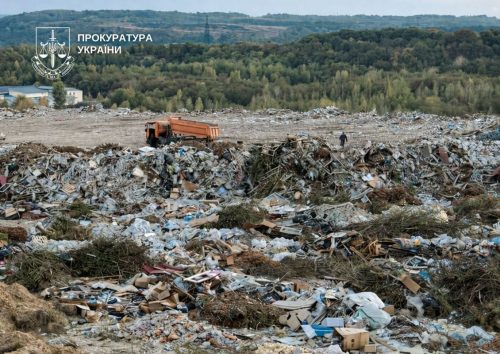
There are many items in our homes which, once used, become not just rubbish, but hazardous or difficult-to-dispose-of waste. Some can pollute the soil and water, others contain toxic substances, and some can even catch fire in a refuse lorry.
We’ve put together a list of ten items that are best not put in a standard bin.
1. Mercury thermometers
An old mercury thermometer may sit in your first-aid kit for years alongside a modern electronic one. But if it breaks, it will be more than just a domestic inconvenience.
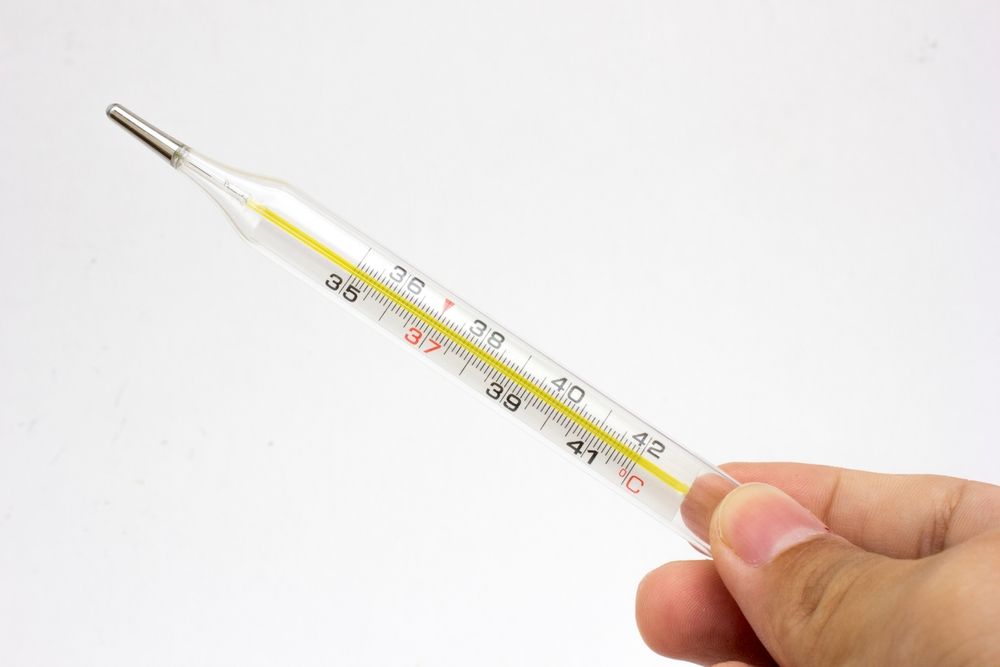
Why they are dangerous: a single broken thermometer contains about 1–2 grams of mercury. In the enclosed or semi-enclosed space of a garbage truck or landfill, this is enough to poison thousands of cubic meters of air with toxic vapors that affect the nervous system and kidneys.
What to do: take them to specialized collection points that accept mercury-containing waste, or to the State Emergency Service (DSNS) in your city. If you are lucky enough to live in a location covered by an eco-bus route, you can dispose of it there.
2. Old electronics and small household appliances
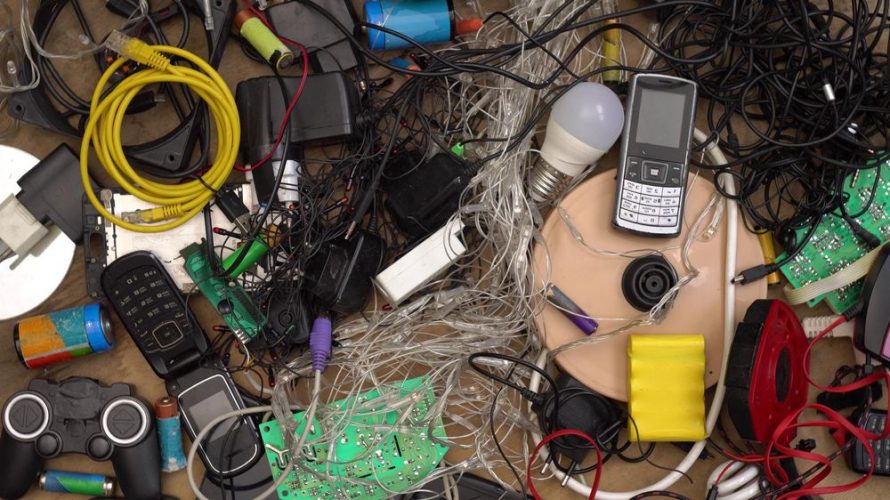
Phones, chargers, headphones, routers, electronic toys, hair dryers, small kitchen appliances, and electronic cigarettes are all more than just plastic junk.

Why they are dangerous: all these devices may contain cadmium, lead, beryllium, and brominated flame retardants, which are highly toxic to living organisms and can accumulate in biological tissues. If there is a battery inside, such a discarded item also risks igniting. That is why it is better to recycle an old smartphone than to hide it between potato peelings and a milk bag.
What to do: hand them over for e-waste recycling. Many electronics stores periodically hold campaigns to collect old electronics, as they contain metals, boards, cables, and various components, some of which can be recovered or recycled. Used electronics are a source of valuable rare earth metals, which are simply lost at landfills without recycling.
3. Fluorescent and some energy-saving lamps
An ordinary light bulb seems like the most harmless kind of waste.

Why they are dangerous: compact fluorescent lamps and long office tubes contain from 3 to 70 mg of mercury vapor. Breaking the bulb in a container leads to an instant release of this toxic substance.
LED lamps usually do not contain mercury, but they are also classified as electronic waste and should also be collected separately.
The general rule here is simple: if an item lights up thanks to complex electronics, it most likely does not belong among food scraps and plastic bags.
What to do: Unlike conventional incandescent or LED bulbs (which are less hazardous but also require recycling as e-waste), fluorescent lamps must be handed over to hazardous waste operators or to the special mobile collection points we previously mentioned – ecobuses.
4. Expired medicines and pharmaceuticals
A first-aid kit has an amazing ability to accumulate medications that expired about the same time we last read their instructions. Disposing of such medicines must also be done properly.
Do not flush tablets down the toilet, pour syrups into the sink, or simply throw large quantities of medications away with regular waste.
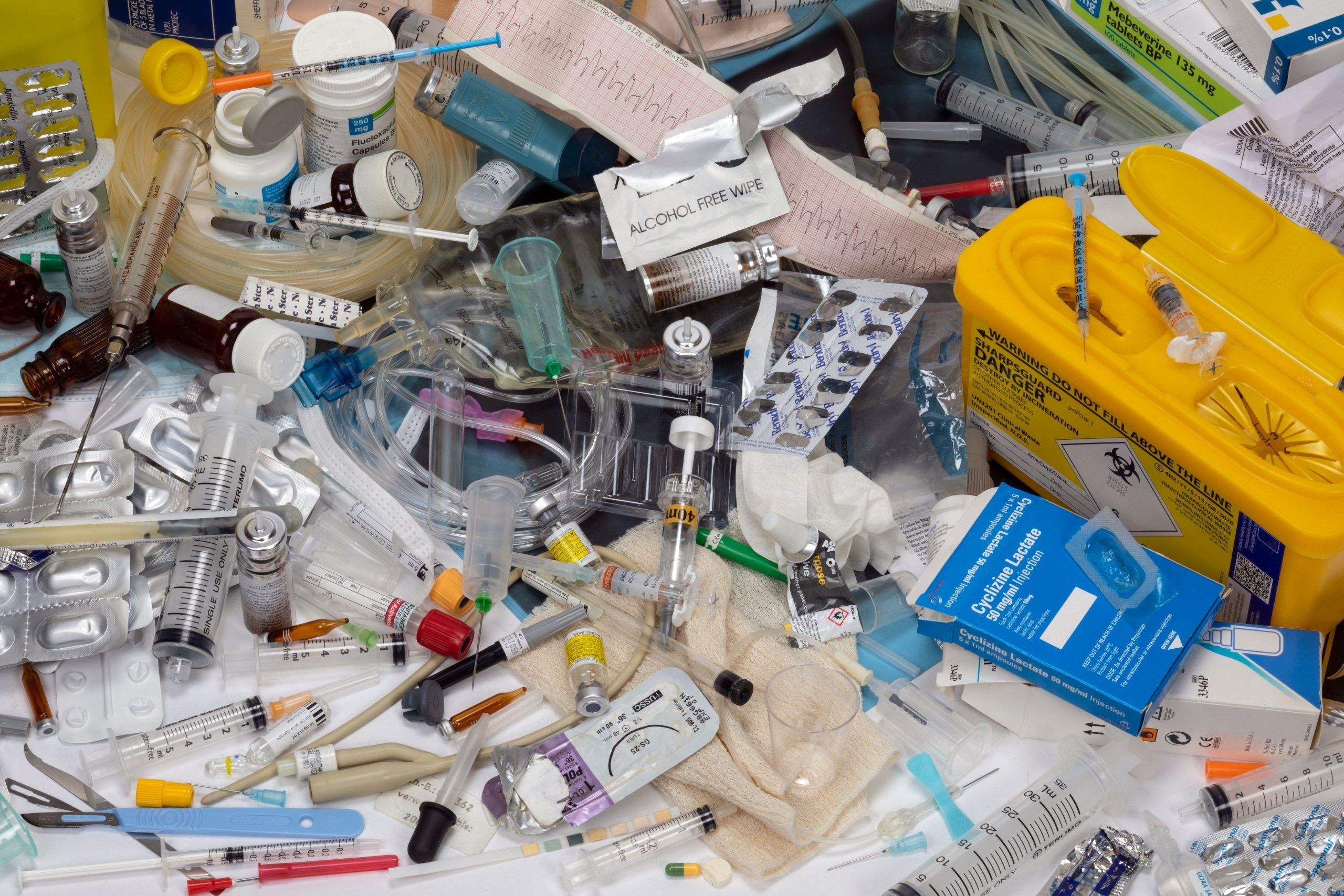
What is the danger: Synthetic compounds, antibiotics, and hormonal drugs from flushed or discarded medicines end up in groundwater and bodies of water, since treatment systems are usually not designed to fully remove them. This leads to the emergence of antibiotic-resistant bacteria in nature as well as the contamination of natural waters and all their inhabitants.
What to do: The best option is to look for special programs or collection points for expired medicines, if these are available in your city. If there are none nearby, mix liquid or crushed tablets with an absorbent (for example, used coffee grounds or cat litter) and seal them tightly in a jar to minimize leaching.
5. Paints, varnishes, and solvents
After repairs, there is almost always a can with a centimeter of paint at the bottom. And it may stand on the balcony for several more years until someone finally decides to "clean up."
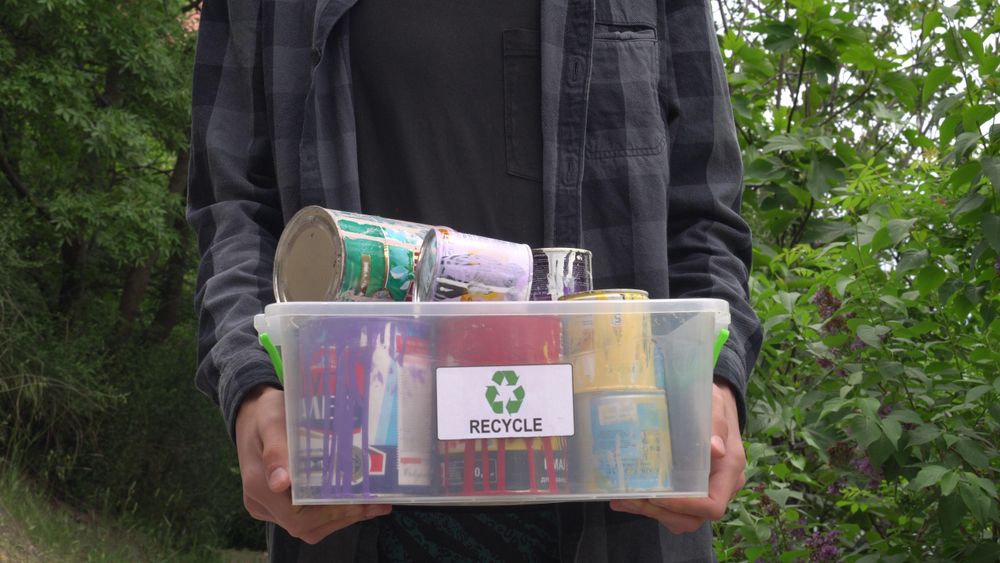
What is the danger: Construction chemical residues contain volatile organic compounds, toxic pigments, flammable components, or heavy metals. Dried paint easily ignites, and liquid paint can leach into the soil. Therefore, you should not pour them into the sewer or throw them in a regular waste container in liquid form.
What to do: These residues are best handed over for specialized disposal. If this is not possible, let them dry completely in a well-ventilated area or mix them with sawdust/sand to a solid state before disposal, if it is water-based paint. Oil and alkyd paints must be handed over strictly as hazardous waste.
6. Household chemicals containing chlorine and ammonia
Pipe cleaners, concentrated bleaches, acids, and strong alkaline agents all help us survive major cleanups, but after use, they can turn into hazardous waste.
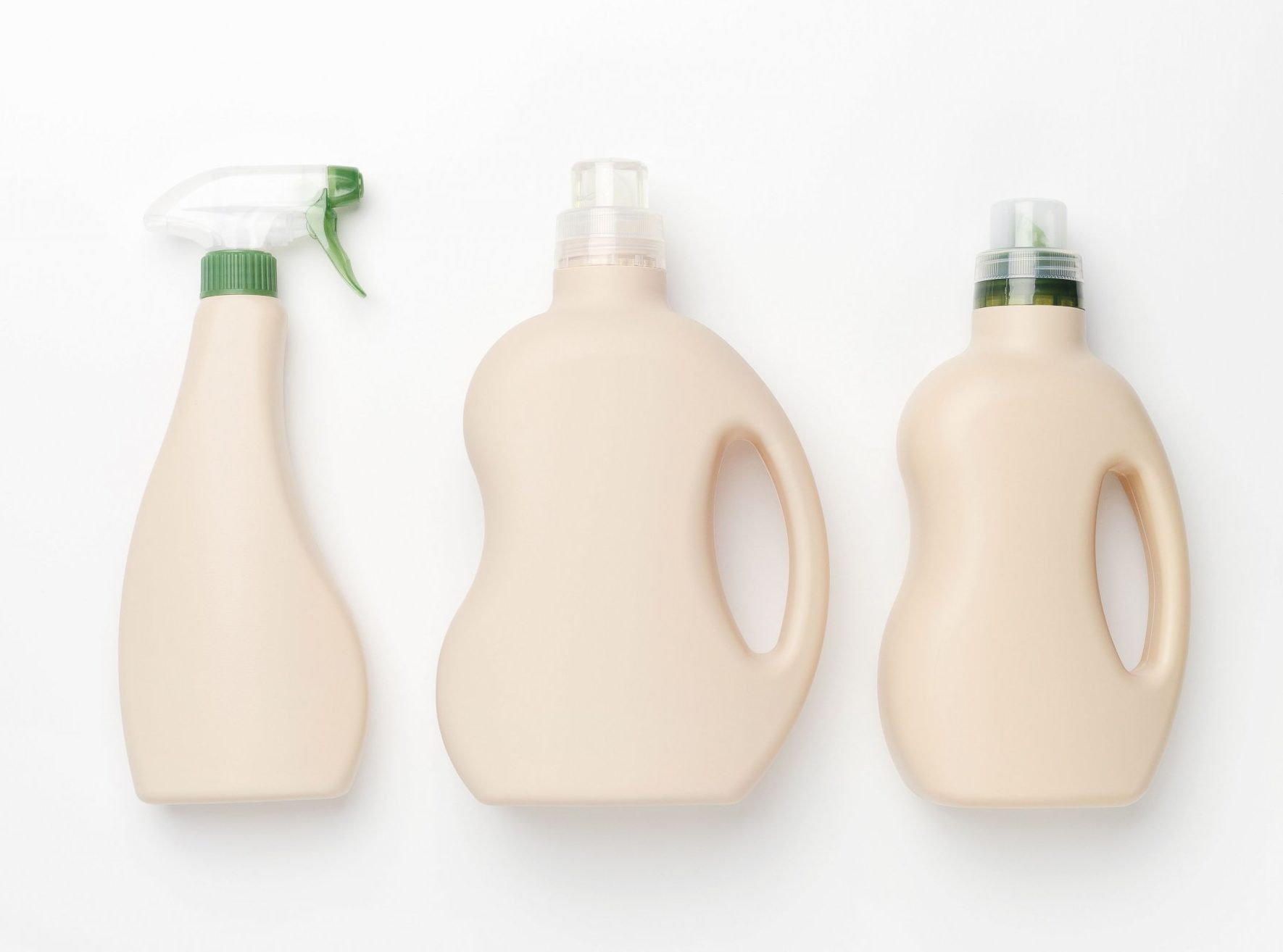
What is the danger: All the mentioned liquids are aggressive caustic substances. Mixing different chemical products is especially dangerous. In general trash, they can react chemically with other waste, release toxic gases, or damage their containers.
What to do: use the products completely. It is better not to pour unused concentrated solutions into random bottles or dispose of them in the trash. Empty and rinsed containers can be sorted as plastic (depending on the labeling), while remaining chemicals should be used as intended or neutralized.
7. Power banks and lithium-ion batteries
An old power bank is often viewed simply as a piece of plastic with a wire.
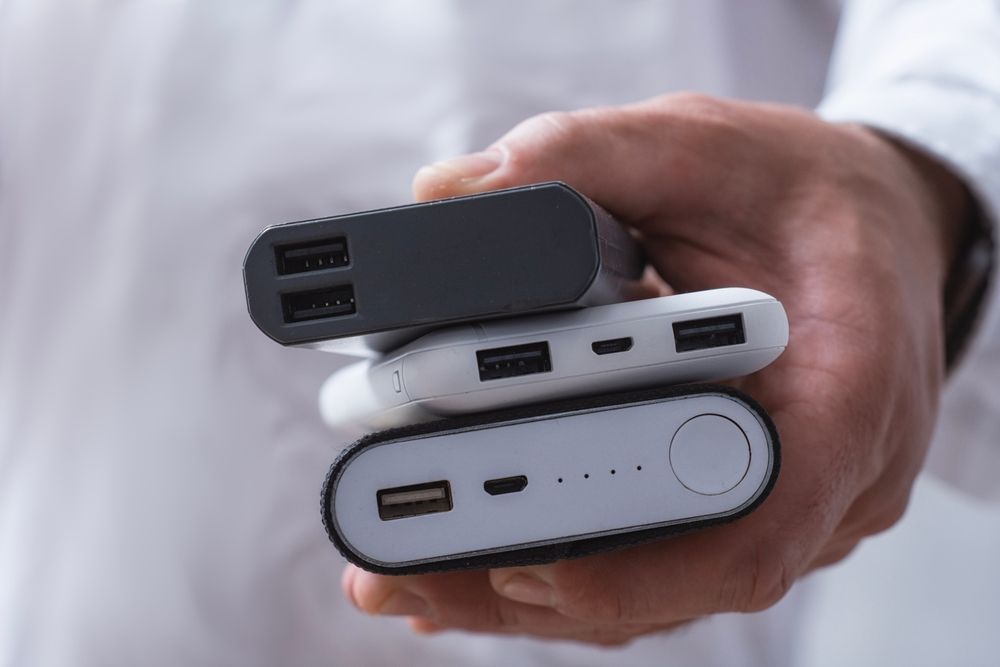
Hazard: although essentially a type of battery, this is often forgotten and such items are thrown away along with broken gadgets. In fact, inside is a battery that can be a fire hazard. Devices that are swollen, have overheated, were dropped, or have a damaged case are especially risky.
Lithium-ion cells are extremely sensitive to mechanical damage-when garbage is compacted, they can self-ignite and explode, which is the main cause of fires on sorting lines.
What to do: dispose of them in special battery and electronics collection boxes.
8. Automotive oils, antifreeze, and other technical fluids
These wastes are less commonly found in household garbage, but their effects can be significantly more severe.
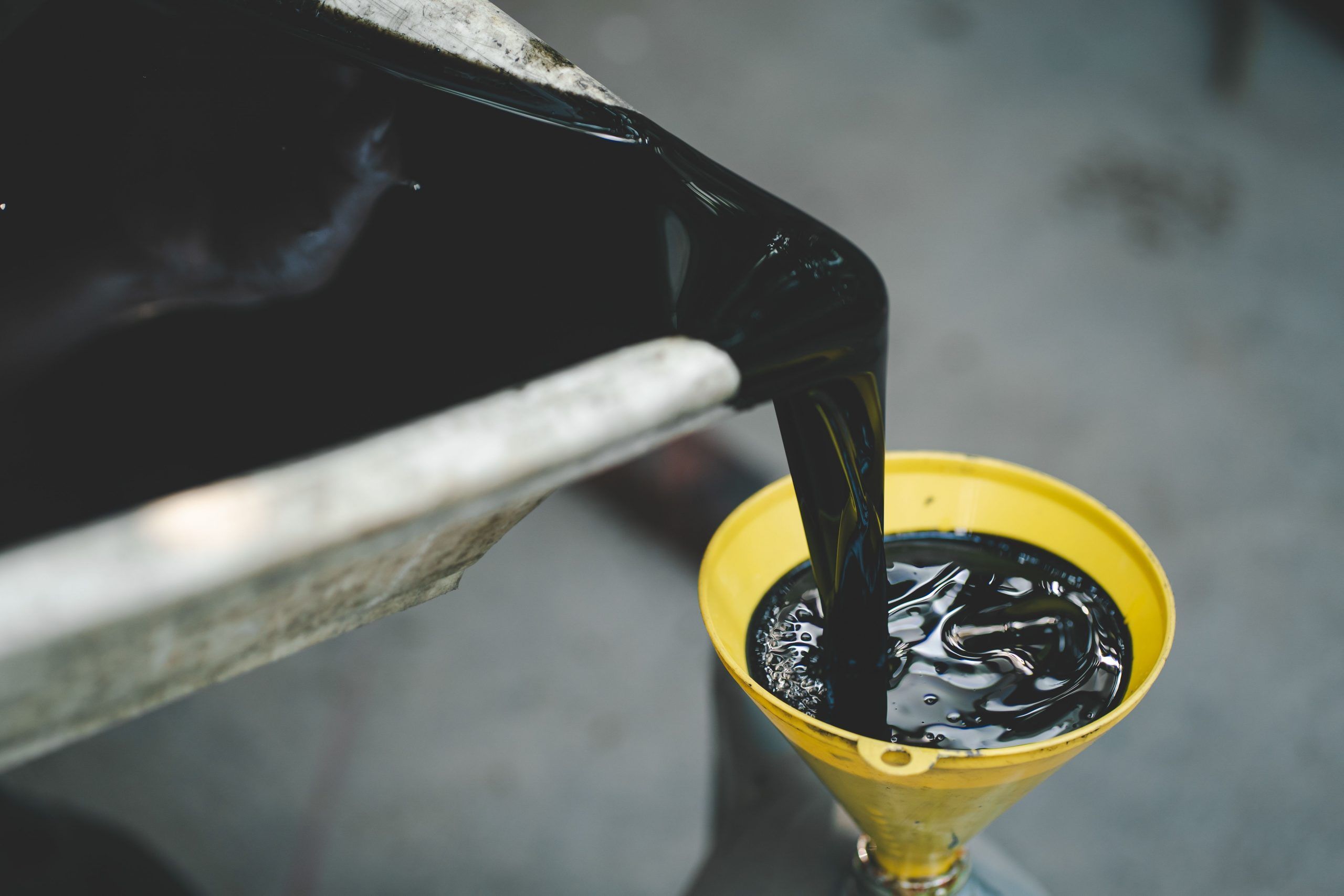
Hazard: when poured down the drain or into the trash, oils form an impermeable film on the surface of water and soil. Thus, they block oxygen from reaching microorganisms and plants. One liter of oil or motor lubricant can contaminate up to 1 million liters of clean water.
Antifreeze, brake, and other automotive fluids can also pollute water and soil. Pouring them into the sewer, onto the ground, or into the nearest ditch is definitely not an option.
What to do: car oil is accepted by service stations and technical fluid disposal centers. Used cooking oil from deep fryers can be collected in a bottle and taken to recyclers for biodiesel production.
9. Car tires
Old tires often “decorate” garages, yards, or, worse, the nearest forest belt and roadsides for years. With each season change or new tire purchase, drivers regularly face the question: where to put worn-out tires?
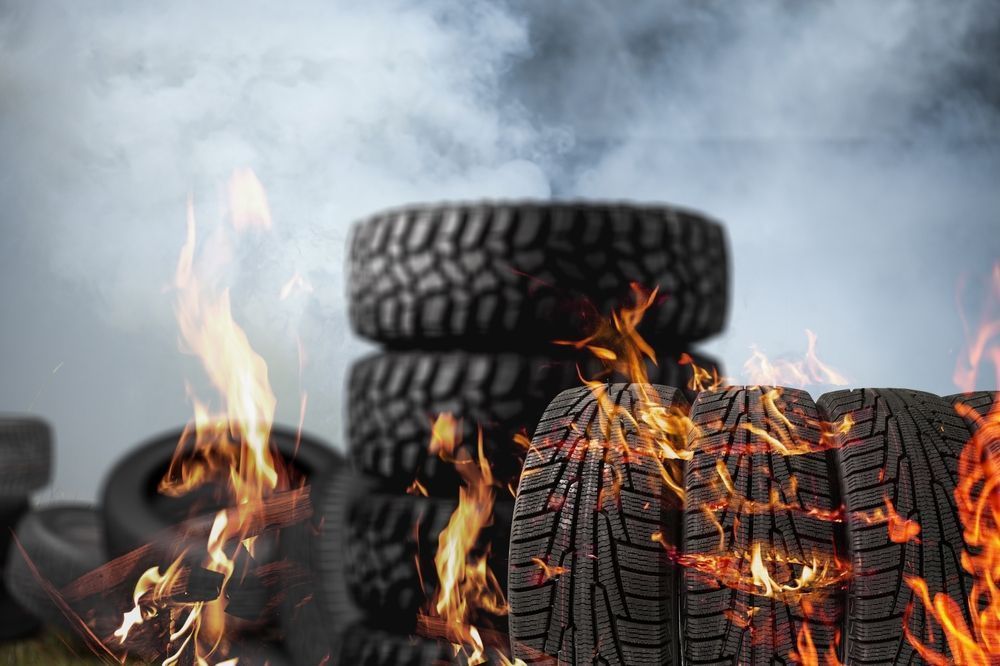
It is strictly prohibited to throw tires into regular trash bins, dump them into ravines, or try to burn them yourself.
Hazard: rubber takes over 150–200 years to decompose. During all this time, it releases more than a hundred toxic substances into the environment, including benzene, xylene, and carcinogenic dust. In regular landfills, they accumulate gases and easily catch fire. Burning tires poison the air with thick, acrid smoke that settles on the ground and enters the lungs.
What to do: Take worn-out tires to specialized collection points or check with your tire service shops to see if they have a disposal contract. At specialized plants, tires are shredded into rubber crumb, which is then used to create safe surfaces for children's playgrounds and sports fields, as well as to be added into asphalt.
10. Pressurized Aerosol Cans
Deodorants, hair sprays, insect repellents, and air fresheners can be found in every household. When a can stops spraying, it's tempting to just throw it in the general waste, as it seems completely empty.
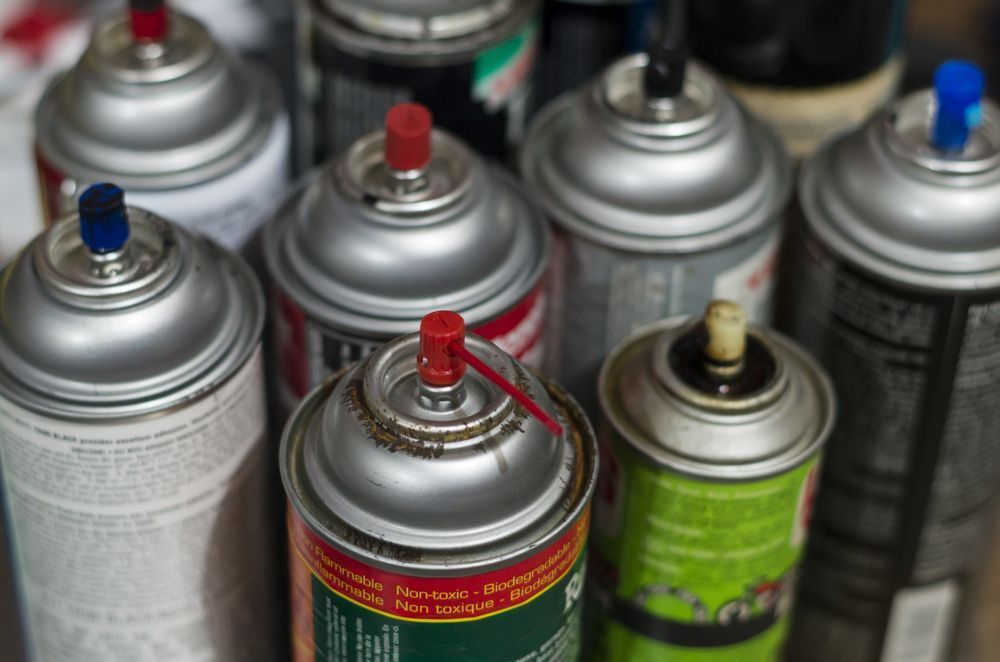
However, disposing of aerosol cans with household waste or trying to open them yourself is extremely dangerous.
What is the danger: even a “used” can still retains pressure and traces of highly flammable propellant gas (isobutane or propane). In a garbage truck during mechanical waste compaction or at a landfill under the sun’s heat, such containers can easily explode. This is one of the most common causes of sudden fires in garbage trucks and on sorting lines, posing a direct threat to workers’ lives.
What to do: Use the contents of the can completely, making sure the gas is fully released through the sprayer. Never puncture or crush it by hand. Fully empty metal cans in many cities are accepted as scrap metal or in metal sorting containers. If there is any product or paint left inside that cannot be sprayed out, the can must be taken to hazardous waste collection points.