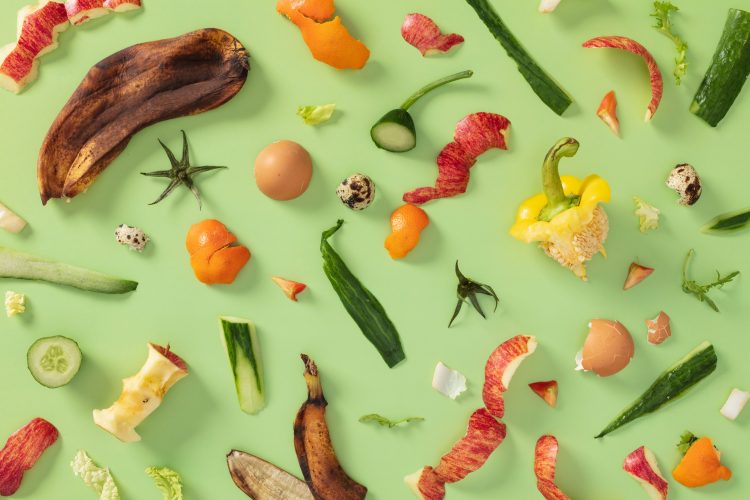
Every year, Ukrainians discard around 2.7 million tonnes of food waste and even products that are still suitable for consumption. This is an enormous volume that simply ends up in landfills, where, when decomposing in packaging and beneath layers of other waste, it emits methane-a potent greenhouse gas. This can be remedied on an individual level by starting to separate organic waste.
EcoPolitic has gathered information for its readers on how to organize home sorting of organic waste.
Unfortunately, Ukraine lacks a centralized policy regarding the management of organic waste-such decisions can be made by communities at the local level. In some places, organic waste is separated during sorting, and certain communities have established composting stations where residents can discard food leftovers. However, these are rather exceptions than the rule across the country. Currently, only consumers themselves can address the issue of organic waste.
So, where should you start? That depends on whether your city collects organic waste separately.
Option 1. If sorting is implemented at the municipal level.
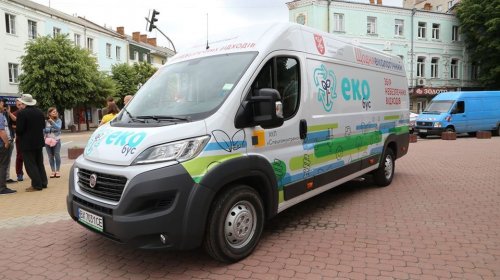
- Find out the recommendations provided by your local waste management enterprise. For example, the Lviv municipal enterprise "Zelene Misto" does not accept meat, fish, or dairy leftovers, so they are not subject to household sorting.
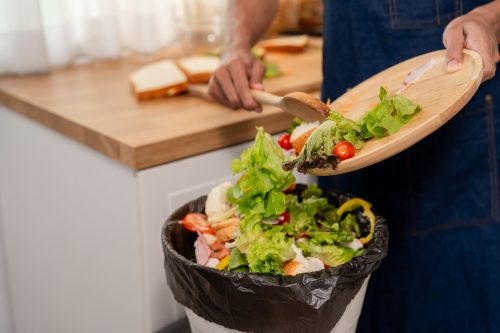
- Set up a place for collecting organic waste. This can be a plastic container, a bucket with a lid, or another type of receptacle. Choose the volume according to the number of people living and eating in the apartment. More people mean a larger container. Also, we recommend considering how easy it is to transport such a container.
- Take out the waste regularly, to prevent unpleasant odors from forming.
Option 2. If there is no centralized collection of organic waste.
In this case, you will need to decide where to dispose of the waste. For those living in private houses, it is easier-you can set up a composter on your property, where both food and garden waste can be deposited.
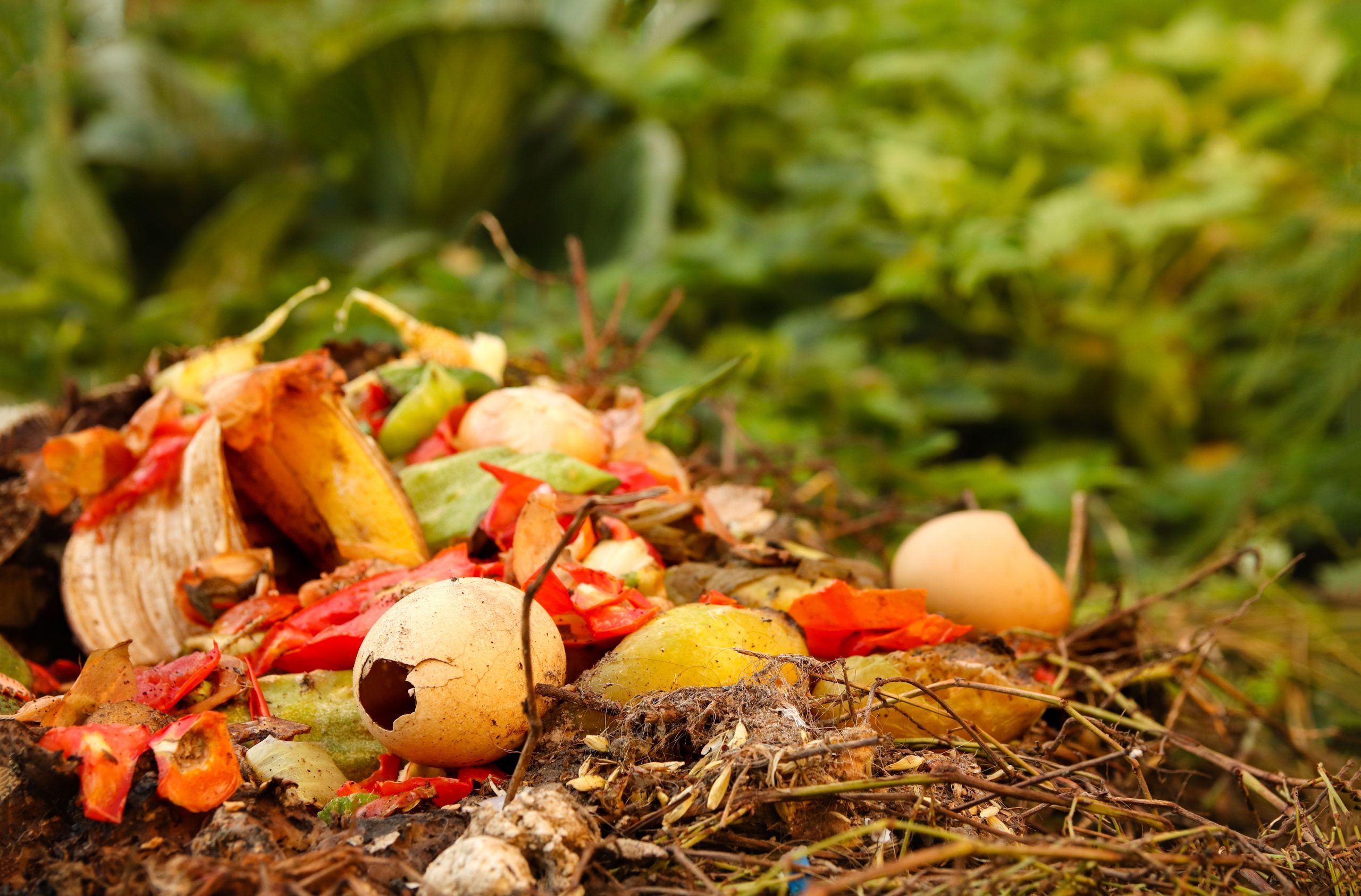
Source: shutterstock
For apartments, there are special composting containers with a double bottom and a spigot for draining "compost tea". Special bacteria are used in such cases to speed up decomposition. Note that fermentation does not occur in cold conditions, so in winter, you should find a place for the container indoors.
The liquid from compost is a very useful organic fertilizer that, after dilution with water, can be used to feed houseplants. Dry organic remnants can be sprinkled under plants in your yard or in a park.
EcoPolitic wrote about how to start sorting waste in a separate article.