A paper bag saves trees, an electric car causes no pollution at all, and sorted rubbish ends up in landfill anyway. Such views are expressed so frequently in society that they gradually become ‘common knowledge’. The problem is that they have almost nothing to do with the facts.
Environmental issues rarely have a clear-cut answer. For example, paper isn’t always better than plastic, ‘natural’ doesn’t necessarily mean ‘safe’, and planting a thousand trees can actually end up doing more harm than good to the environment.
EcoPolitic has decided to debunk seven popular environmental myths believed by many Ukrainians and people around the world.
Myth No. 1: A paper bag is always more eco-friendly than a plastic one
A paper bag looks convincing: natural material, a natural brown colour, and sometimes even a note stating that recycled materials were used in its manufacture. All this seems to persuade the shopper: ‘I’m a good bag, choose me.’
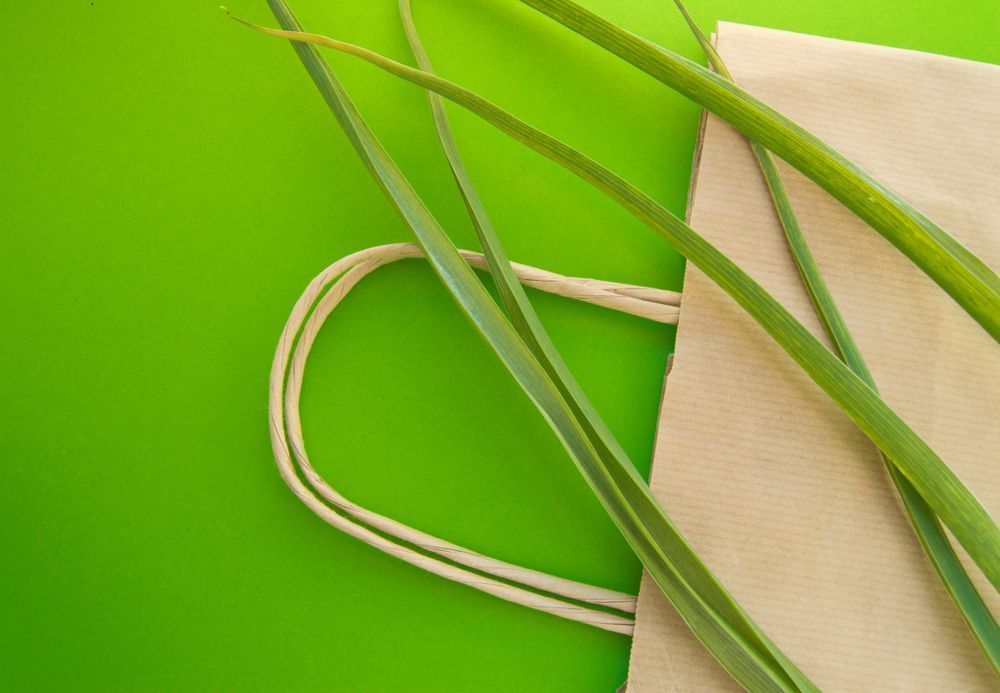
However, it should be remembered that paper production also requires wood, water, and energy. A paper bag is heavier than a plastic one, so its transportation may require more fuel. In addition, it tears quickly and is often used only once.
This does not mean that plastic is better. The replacement of one single-use bag with another does not actually solve the problem of single-use consumption.
The most eco-friendly option is a tote or bag that you already have at home and use many times, even if it is not labeled “eco-friendly.”
Myth No. 2. You can leave a biodegradable bag in the forest
The word “biodegradable” is often perceived as permission to throw packaging anywhere, as if nature will take care of it on its own.
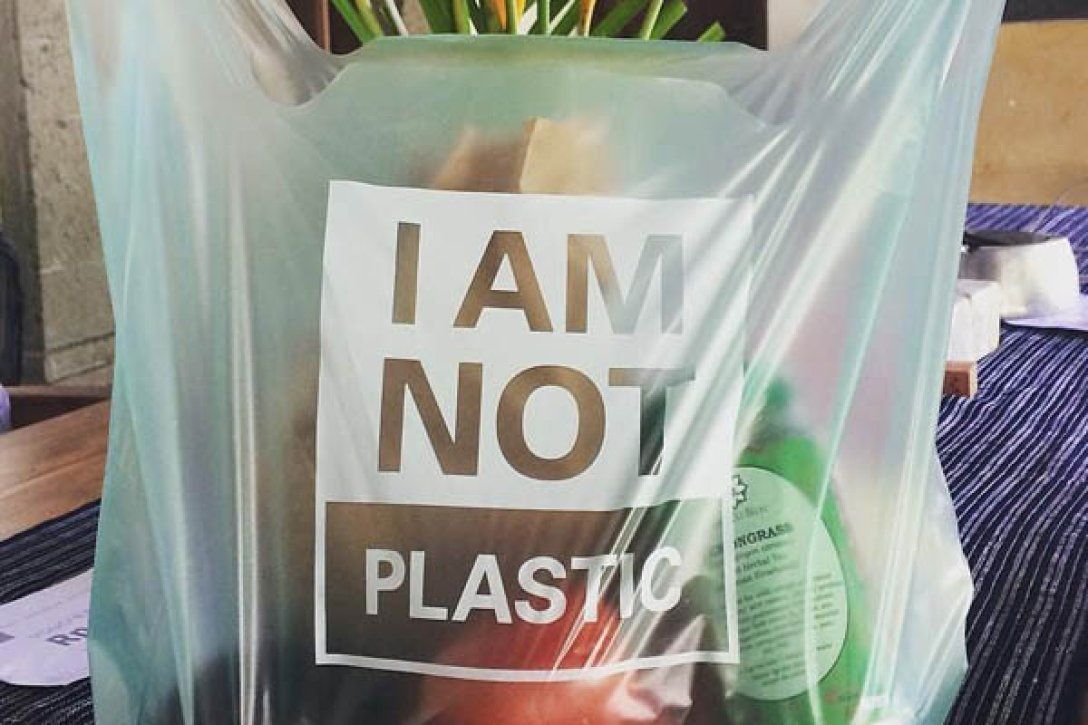
In reality, many of these materials break down only under certain temperatures, humidity levels, and with the involvement of specific microorganisms. Such conditions can be created at industrial composting facilities, but never by the roadside, in the forest, or on a riverbank.
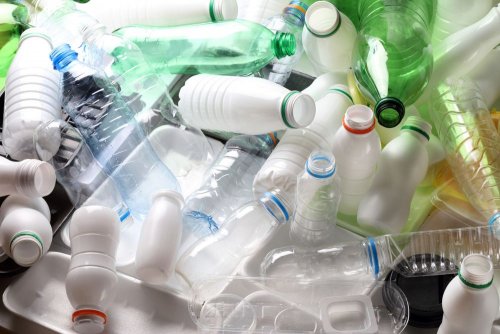
In the natural environment, a biodegradable bag can remain ordinary litter for years. Until it fully decomposes, it presents the same danger to animals as a regular plastic bag.
So, the “biodegradable” label does not turn packaging into fallen leaves. You still need to dispose of it in a waste bin.
Myth No. 3. All sorted waste is still taken to the same landfill
This argument is particularly convenient for those who are too lazy to sort. Why wash a bottle, fold cardboard, and keep separate containers at home for each kind of waste if “they will just mix everything together anyway”?
Yes, the waste management system in Ukraine is still far from perfect. Not every city has a fully functioning sorting process, and the contents of some containers really can end up with mixed waste.
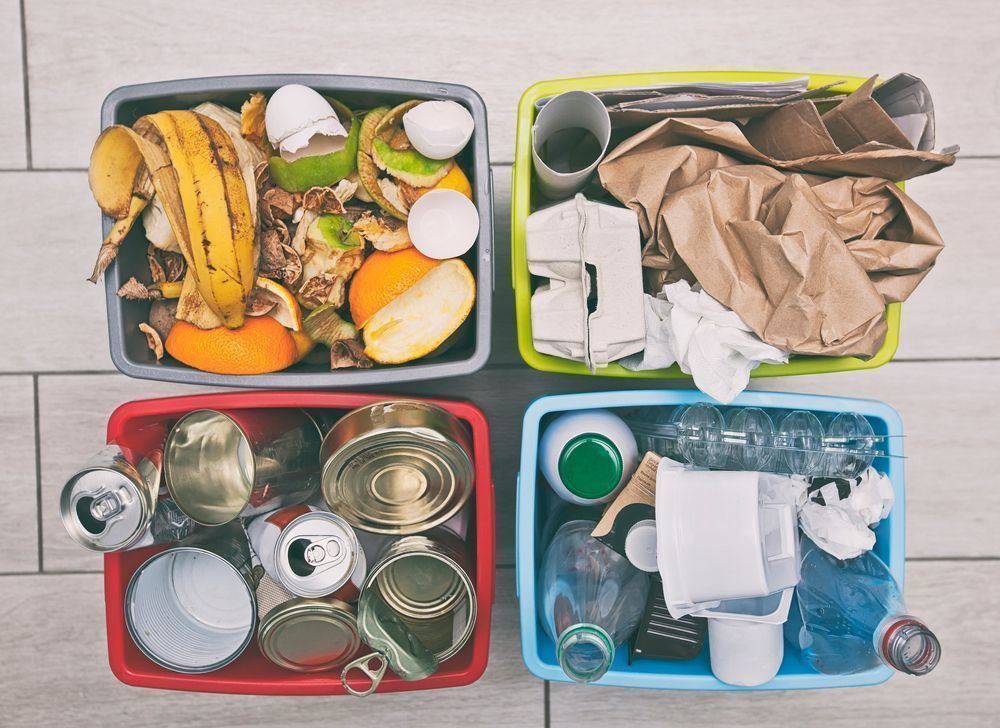
But this does not mean that sorting does not work at all. Clean and properly collected plastic, glass, metal, and paper have value as secondary raw materials. They are collected, sorted further, and sold to recycling enterprises. Moreover, the profit from this is calculated in millions of hryvnias.
Sometimes, it is the residents themselves who render the contents of a container unrecyclable. It only takes someone to throw in food waste, used diapers, or a bag of wet garbage to contaminate a significant portion of the raw materials and make them unsuitable for recycling.
Myth No. 4. Electric vehicles do not harm the environment at all
These vehicles really do not have an exhaust pipe, but that does not mean they materialized from thin air and are charged by good intentions alone.
Producing batteries requires lithium, nickel, cobalt, and other raw materials. Their extraction and processing have significant environmental consequences. The carbon footprint of electric vehicles also depends on the sources from which electricity is produced for their charging.
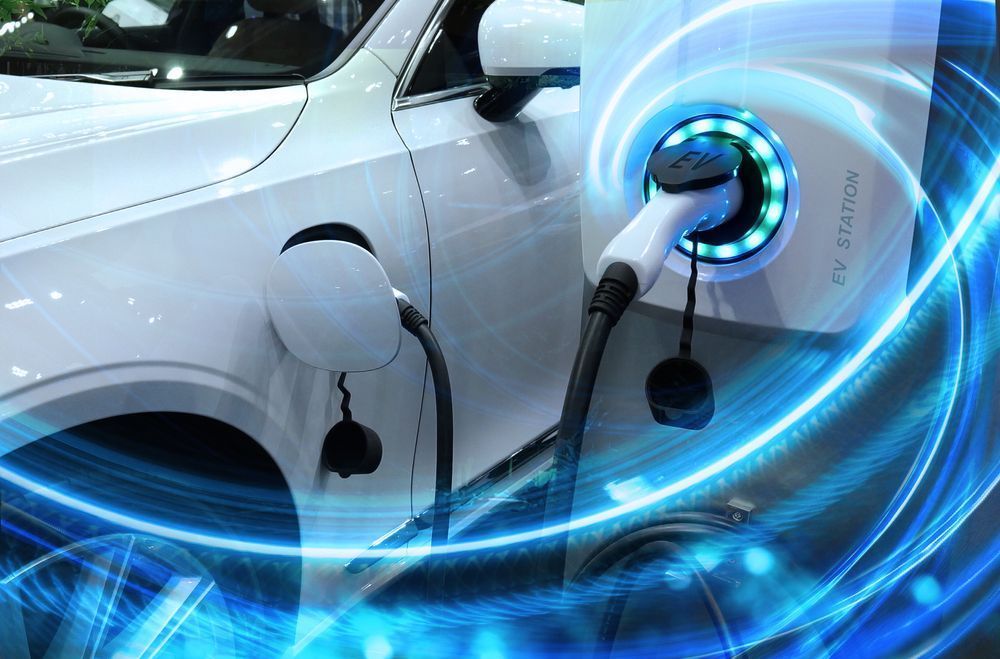
Indeed, over their entire life cycle, electric cars usually cause fewer emissions than gasoline or diesel cars, especially if the electricity comes from low-carbon sources.
So, an electric vehicle is not zero-impact transport, but only a potentially less harmful alternative. And if you want to be even more environmentally friendly, it is worth using public transport, a bicycle, or simply walking.
Myth No. 5. Burning leaves is better than leaving them on the ground
Every autumn, a familiar smell spreads across Ukrainian cities and villages: diligent homeowners make bonfires from fallen leaves in their yards. Often, bags, plastic, and other trash are burned with the leaves, filling the air with stench. But even leaves alone, when smoldering, pollute the air with fine particulate matter and combustion products, not to mention what happens when plastic burns! This smoke is especially harmful for children, the elderly, and those with respiratory diseases.
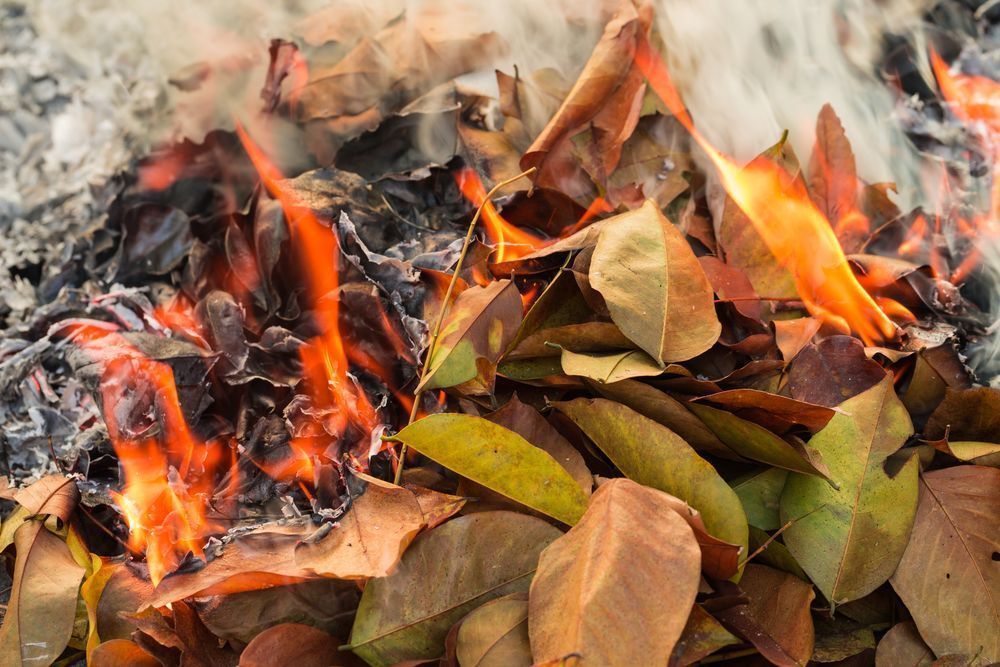
Environmentalists are tired of reminding people that fallen leaves are not garbage. They protect the soil and beneficial microorganisms within it from drying out and freezing, eventually turning into organic fertilizer. A perfectly clean garden might please the owner’s eye, but the soil and its inhabitants prefer a small layer of leaves.
In parks and under trees, some leaves can be left in place, and the collected ones should be composted.
Myth No. 6. If a product is natural, it is environmentally friendly
The word “natural” has become an almost universal marketing mantra. Natural cosmetics, natural fabric, natural packaging – and suddenly it seems that somewhere in the world a panda is smiling contentedly.
Yet natural origin says nothing about production conditions. To grow raw materials, forests may have been cleared, enormous amounts of water used, pesticides applied, or agricultural land consumed.
Cotton is natural, but its cultivation can be highly resource-intensive. Palm oil also has a natural origin; however, the expansion of plantations is associated with the destruction of tropical forests. Even essential oils require a significant amount of plant raw materials.
Therefore, a natural product is not necessarily better than a synthetic one. What matters are the origin of the raw materials, the production technology, the durability of the product, and the possibility of its disposal.
Myth #7. The more trees are planted, the better
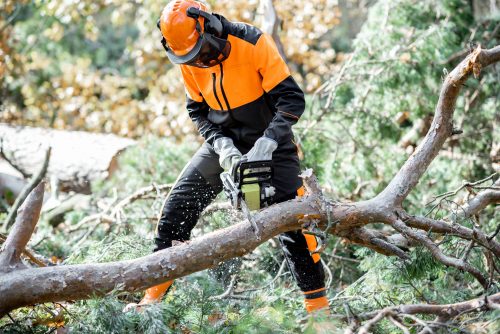
Tree planting has become a favorite environmental activity of companies, officials, and politicians. However, nature does not keep the books on the principle “a tree was planted – the planet was saved.”

If unsuitable species are planted, a monoculture is created, or proper care is not provided, most of the seedlings might simply die. What’s even worse is afforesting natural steppes and meadows, which are unique valuable ecosystems and home to rare species.
It is also important to understand that an old tree cannot truly be replaced by several slender saplings. It has already accumulated a significant amount of carbon, provides shade, retains moisture, and serves as a habitat for birds, insects, fungi, and bats.
That’s why it is important not only to plant new trees but also to avoid unnecessarily cutting down those that have already grown.
Environmental friendliness cannot be captured in a single word
Most environmental myths arise from the desire to find a simple answer. Paper is good, plastic is bad. Natural is beneficial, artificial is harmful. Plant a tree – save the planet.
But the real impact depends on dozens of factors: how the item was made, how many times it was used, how far it was transported, and what happened to it after use.
Therefore, the most beneficial ecological habit is not to buy everything with a green label but to ask questions. What is it made from? How long will it last? Can it be reused? And most importantly: do I really need it?
Sometimes the best way to help nature is not to purchase another “eco-product,” but simply not to buy anything unnecessary.