There are dozens of plants growing in Ukraine that can be harmful to humans. However, whilst some cause only minor irritation, others can lead to serious burns or even memory loss, hallucinations and fatal poisoning.
EcoPolitic has compiled information for its readers on the most dangerous members of Ukraine’s flora and how to identify them.
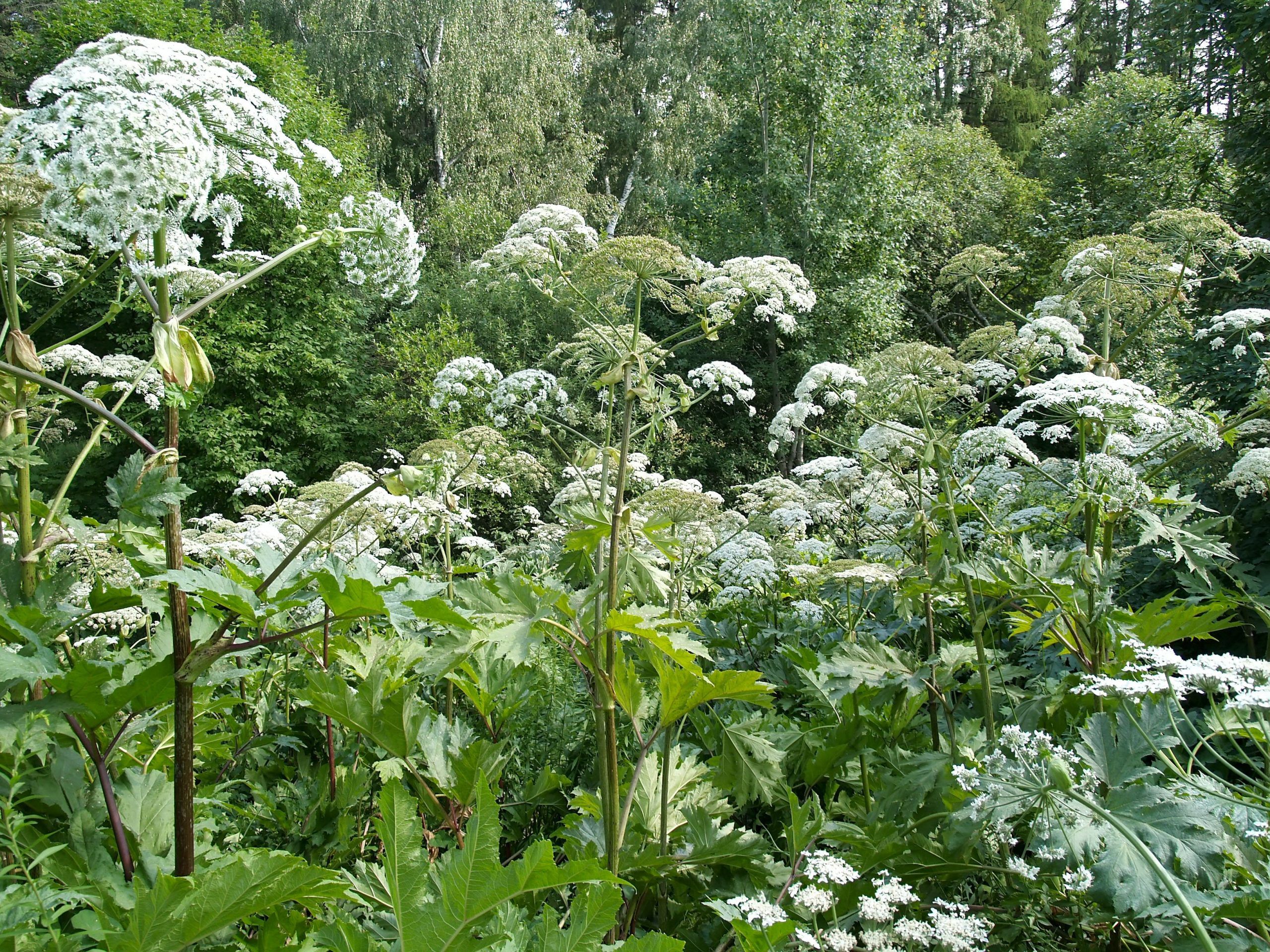
Sosnowsky’s hogweed – Heracleum sosnowskyi
Source: shutterstock
This invasive giant is gradually becoming more firmly established in Ukrainian ecosystems. Although its umbrella-like inflorescence vaguely resembles dill, parsley, wild carrot, or other, less harmful types of hogweed, the plant’s distinguishing feature is its size. Sosnowsky’s hogweed can reach a height of 3–5 meters. It is most often encountered in the western and northern regions of Ukraine.
The main threat from this plant is its sap, which contains furocoumarin. Under ultraviolet light, this substance can cause severe burns on human skin. Therefore, after contact with hogweed, it is necessary to thoroughly wash the area with water, but for the next 2–3 days, it is best to keep the affected skin out of sunlight. In case of a noticeable reaction, be sure to consult a doctor.
In general, it is best not to touch hogweed; however, if you must, use gloves and wear closed clothing.
An additional problem is the invasiveness of this species. It is extremely difficult to eradicate. Root excavation, herbicide treatment, and regular mowing often have to be combined. These measures are not commonly used in natural ecosystems, so Sosnowsky’s hogweed is becoming increasingly common.
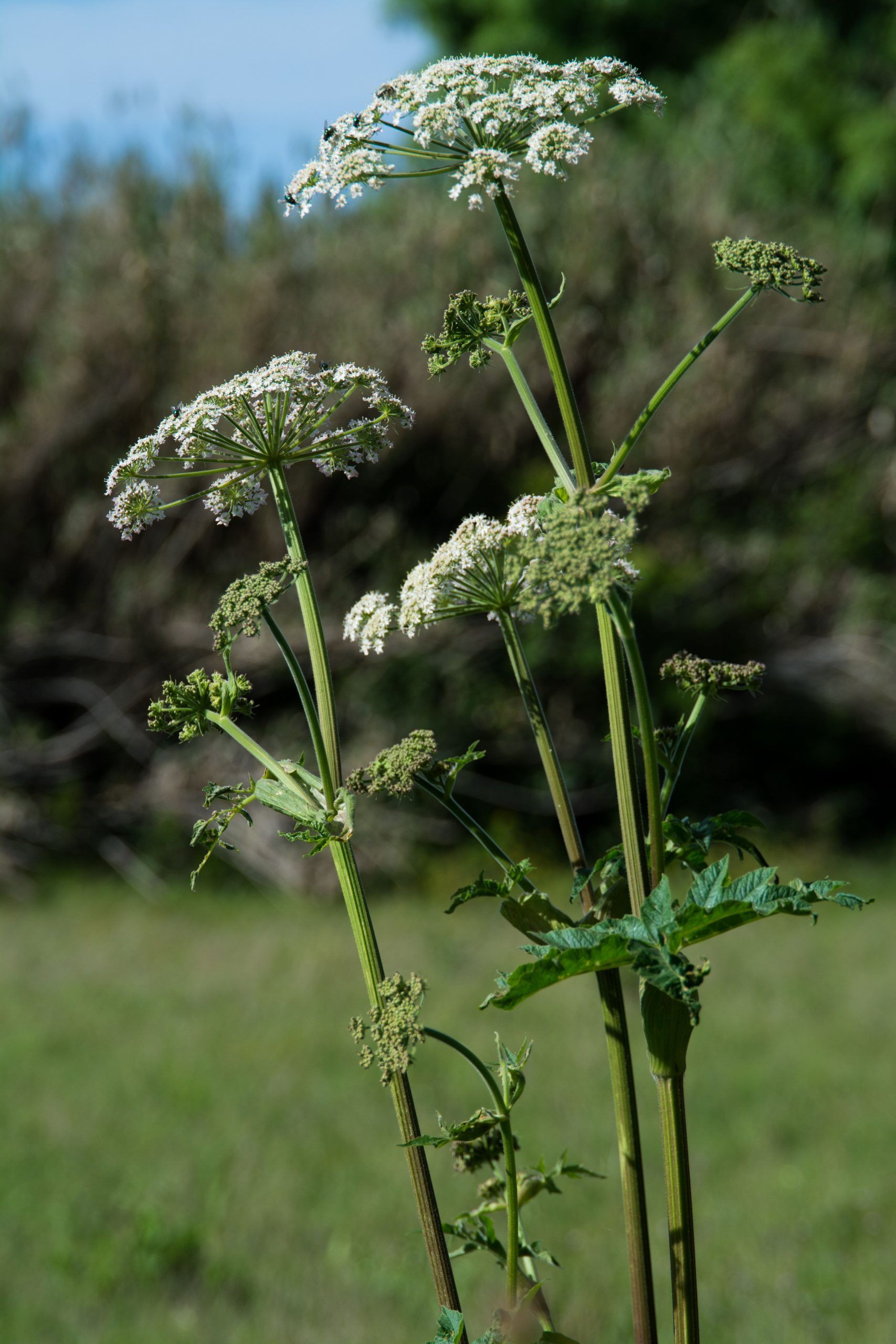
Spotted hemlock – Conium maculatum
Source: shutterstock
This plant also has white umbel inflorescences with small flowers, making it resemble many other species. It grows to a height of 1–2 meters. Spotted hemlock is characterized by dark green, tripinnate leaves. This biennial weed can be found along roadsides and pasture boundaries, in abandoned lands, as well as among agricultural crops.
The danger of this plant lies in its toxic alkaloids found in all parts, from the root to the smallest seed. These substances, especially coniine, act as a neuroparalytic poison. It can cause a wide range of symptoms: weakness, nausea, speech impairment, and pupil dilation. Following gradual cold sensations and tingling in the limbs, paralysis may set in. The worst and usually final symptom is respiratory arrest.
The poison acts within minutes, so do not delay – call an ambulance immediately.
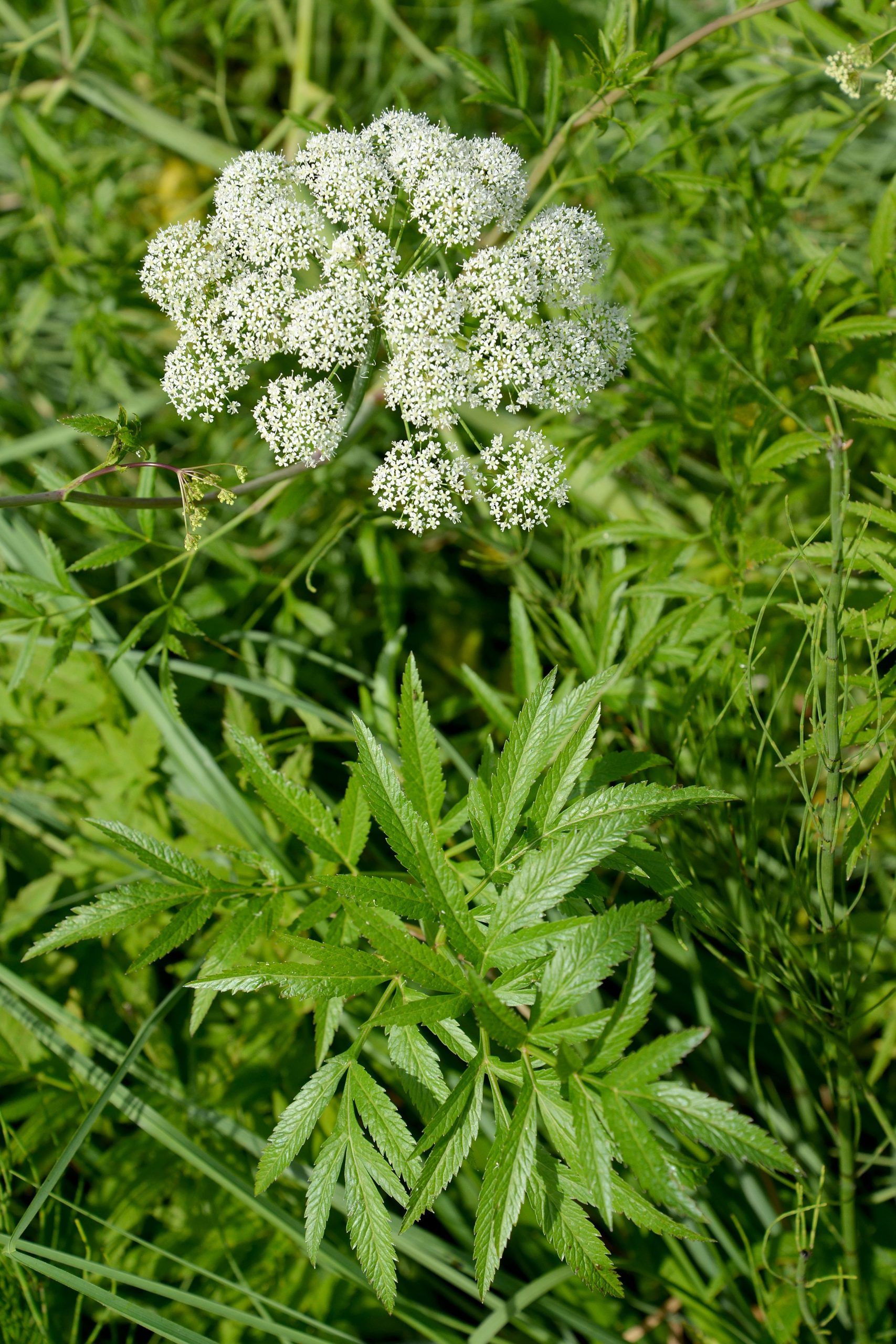
Water hemlock (poison hemlock) – Cicuta virosa
Source: shutterstock
Another plant with an umbel of small white flowers, capable of causing paralysis and death. It reaches a height of 50–120 cm and is widespread in moist areas of swamps, ravines, and riverbanks, mainly in Polissia and the forest-steppe zone.
All parts of hemlock, especially the root, contain cicutoxin. Neither drying nor boiling will eliminate it. The greatest danger is that the root has a slightly sweet scent, somewhat reminiscent of carrots. This makes it dangerous for both animals and children.
The “signature” poison of this plant affects the central nervous system. Symptoms include respiratory spasms, paralysis, and convulsions. As with spotted hemlock, symptoms appear very rapidly and require immediate medical attention.
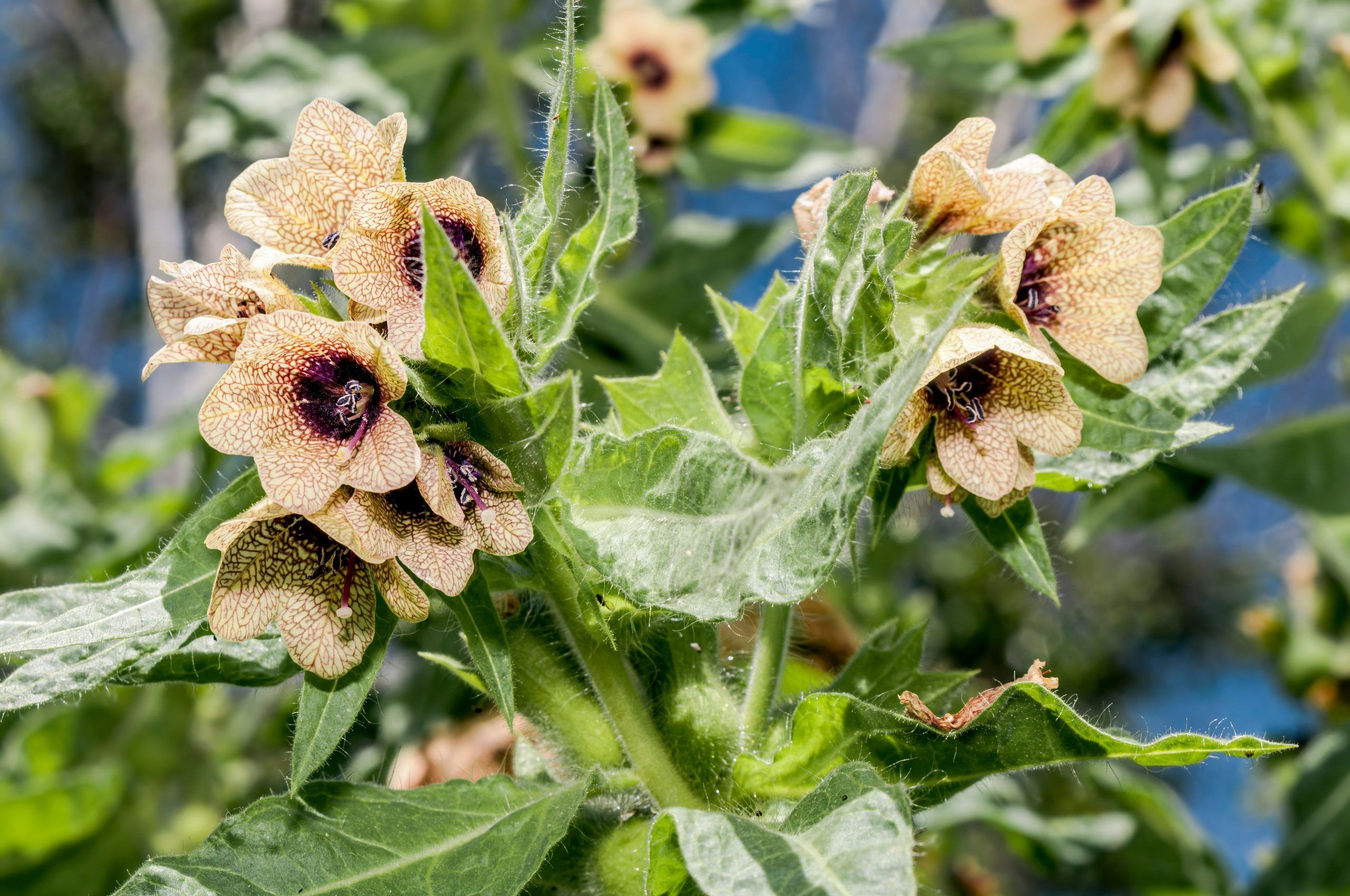
Black henbane – Hyoscyamus niger
Source: shutterstock
It grows as a weed across the entire territory of Ukraine – on wastelands, pastures, and near homes. The whole plant contains tropane alkaloids, which inhibit the secretion of tears and mucus and also reduce spasms of internal organs. It can even cause fainting or memory loss.
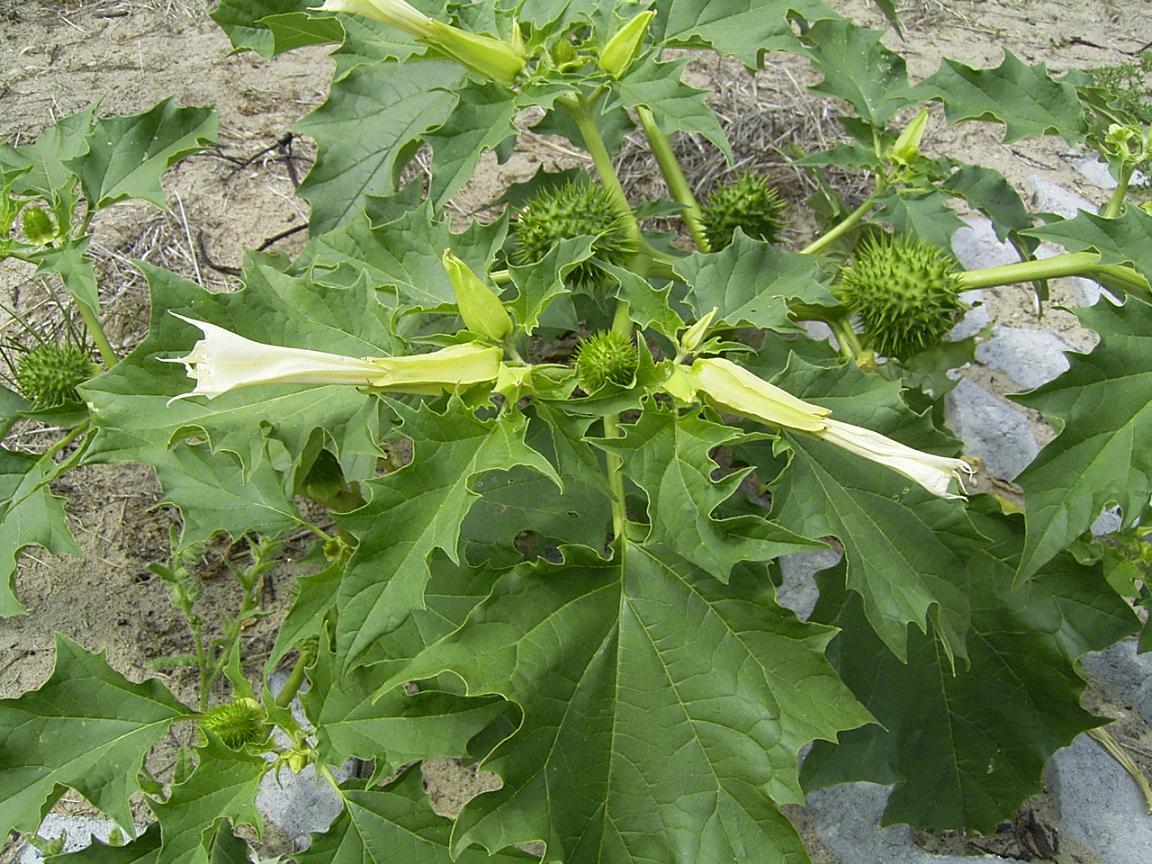
Jimsonweed – Datura stramonium
Source: shutterstock
This plant has rather large leaves and blooms with white funnel-shaped flowers, from which green capsule fruits covered with spines are formed.
Every part of jimsonweed is poisonous. The alkaloids it contains can cause psychomotor agitation, convulsions, and even hallucinations.
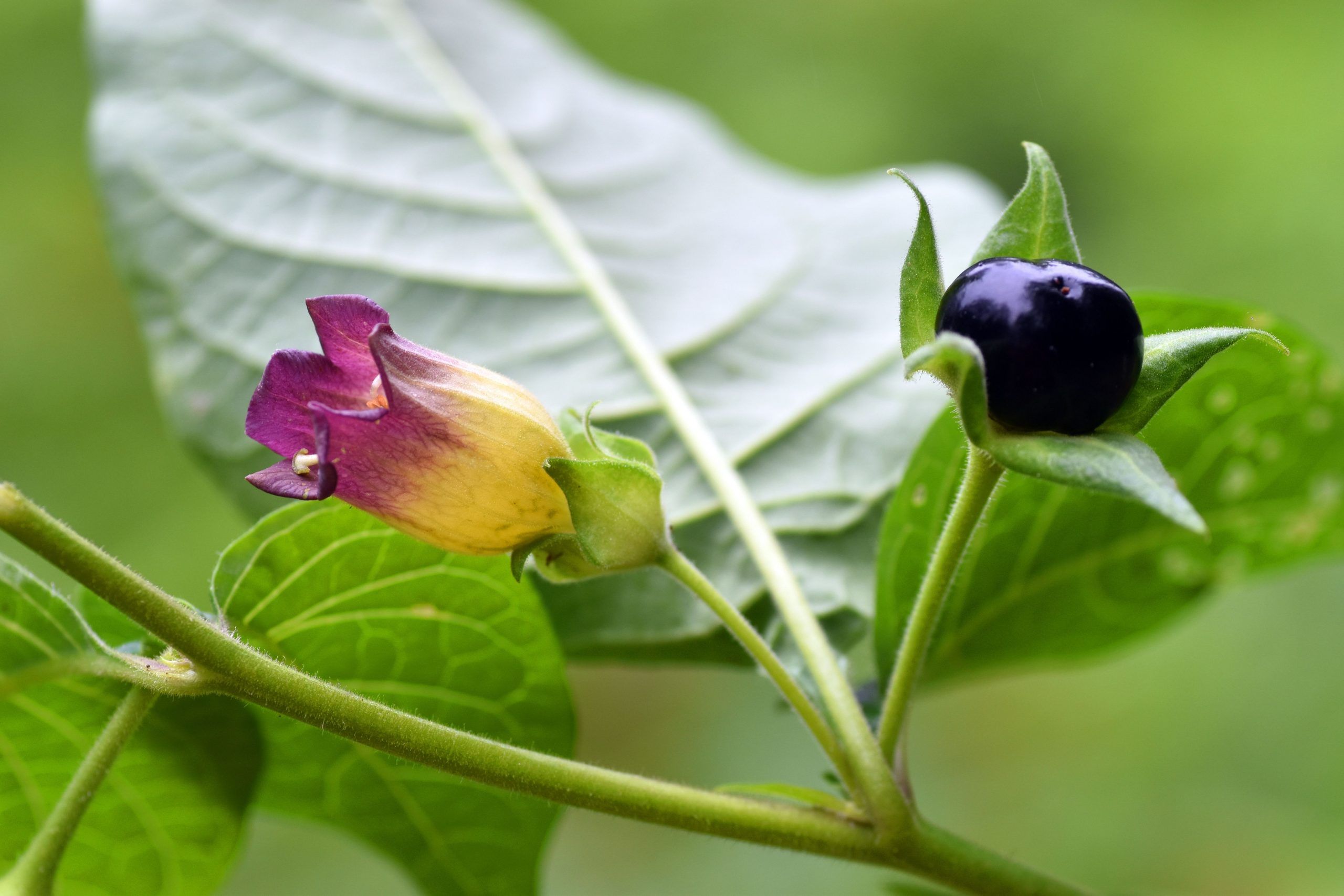
Deadly nightshade – Atropa belladonna
Source: shutterstock
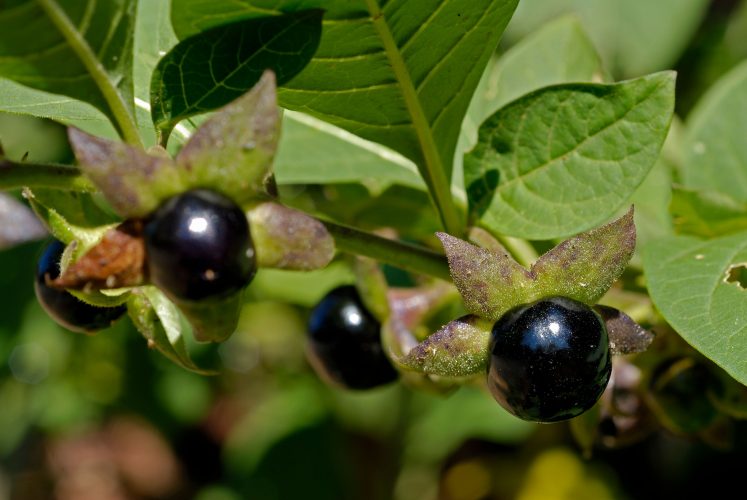
A highly poisonous plant, deadly nightshade can be found in deciduous forests, mainly in open areas. It is herbaceous, up to 1.5 m tall, with ovate, pointed leaves. After blooming with reddish, bell-shaped flowers, the plant produces shiny black berries.
Toxic alkaloids are present in every part of the plant. The most specific bodily response is pupil dilation. The toxin blocks the nervous system, causing uncontrolled alternation between excitation and suppression.
Among other plants with which one should also exercise caution are spurge, monkshood, and foxglove. While they do not produce such rapid effects, they can cause chronic poisoning due to accumulation in the body.
How can you protect yourself?
The main rule is: if you are not absolutely certain about the safety of making contact with a plant, do not touch it, and even more so, do not eat it.
When walking in nature, it is advisable to wear closed clothing and footwear, and just in case, carry a sorbent and antiseptic. Special attention should be paid to children, who may be attracted to an unusual flower or unfamiliar berries.
If parts of poisonous plants enter the body, immediate first aid is essential – rinse the mouth and hands of any plant remnants, wash out the stomach, and administer a sorbent. Even in cases of mild or suspicious symptoms, you should consult a doctor immediately, or better yet, call an ambulance. It is also helpful to save a sample of the plant so it will be easier for medical personnel to identify the cause of the emergency.