Every year, Ukrainians produce over 10 million tonnes of household waste, whilst globally this figure exceeds a staggering 2.5 billion tonnes. The consequences include emissions from decomposition, environmental pollution and thousands upon thousands of hectares of land taken up by landfill sites. Many experts see the solution to this global problem in a fundamental shift in attitudes towards consumption, both at the level of states and cities, and at the level of each individual. And the name of this concept is Zero Waste.
EcoPolitic will explain the key principles of this approach and the steps anyone can take to apply it in their daily lives.
Nothing to Waste
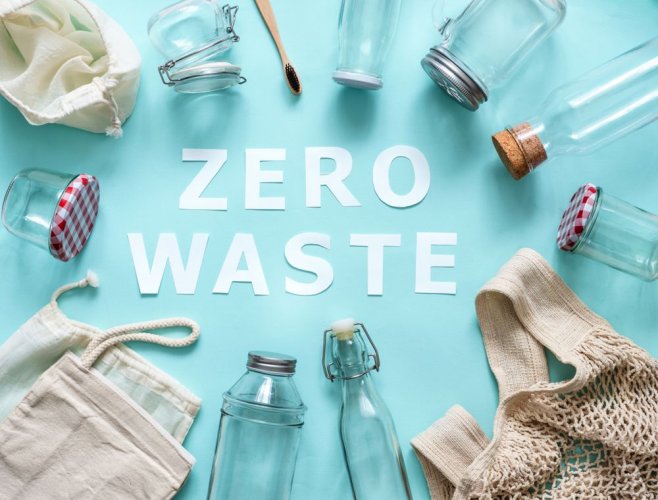
Behind the term ‘Zero Waste’ lies a whole philosophy of ‘waste-free living’, where everything is used to its full potential rather than being thrown away needlessly. This concept was popularised by the American eco-activist Bea Johnson in her book *Zero Waste Home*, which was preceded by a blog detailing how her family put the approach into practice. The author set out a step-by-step guide on how to consume mindfully and throw nothing away.
This sparked a whole movement, which communities and cities are now joining. Moreover, regardless of scale, the principles of Zero Waste are the same for everyone.
The 5R Rule
Based on her family’s practical experience, Bea Johnson formulated a clear sequence of rules that form the foundation of Zero Waste functionality. Next is a detailed look at their everyday dimension.
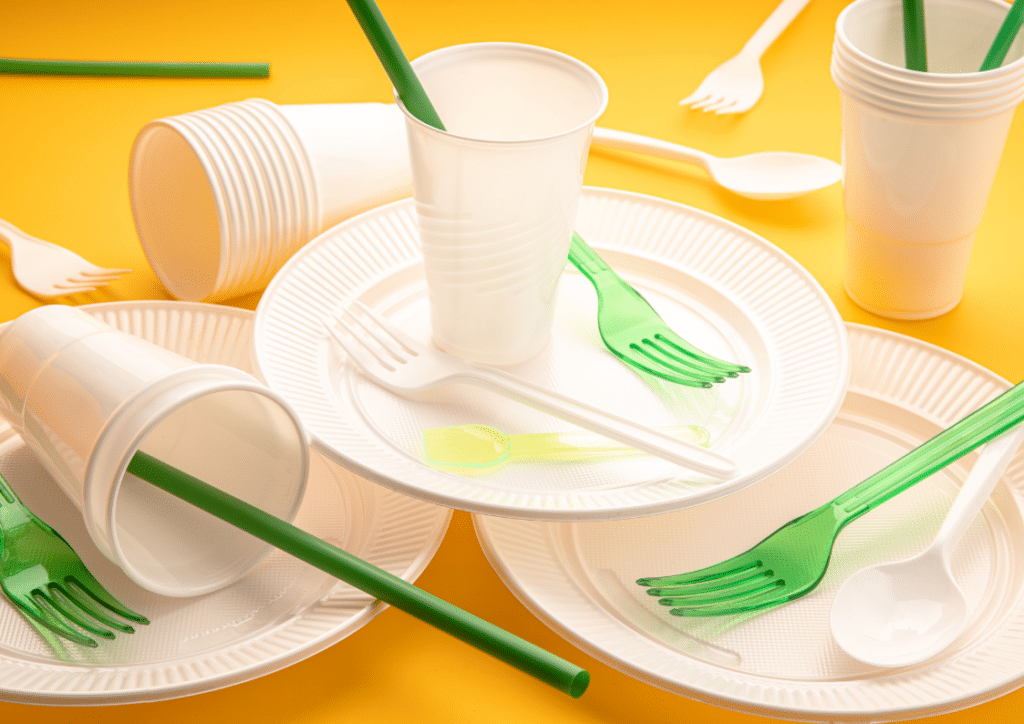
Refuse – say no. This is the starting point, where you reject everything that will immediately become waste or end up as “dead weight” in your home without being used. What does this mean? Anything disposable or “free” that is offered to you. Plastic bags when they can be replaced with a reusable shopping bag. Disposable cups when you can ask for your drink in your own reusable one. Advertising flyers that end up in the bin moments after you read them.
Reduce. This is not about restricting purchases, but about buying only what you truly need. It’s worth setting aside emotional or marketing pressure and buying only what you will really use, preferably more than once.
Reuse. This is the next step, when even items that have served their primary purpose can be put to other uses. Packaging can become boxes for small items, jars can be containers for bulk goods. If you don’t need certain things anymore, consider who can use them. For example, old blankets and pillows are often accepted at animal shelters. This also includes repairing items instead of throwing them away.
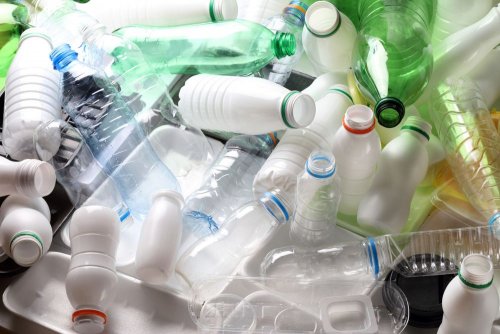
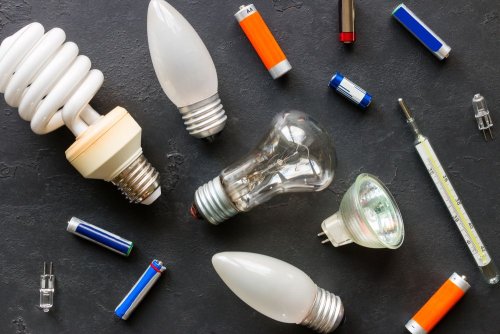
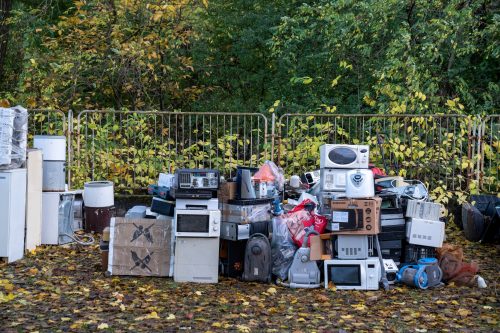
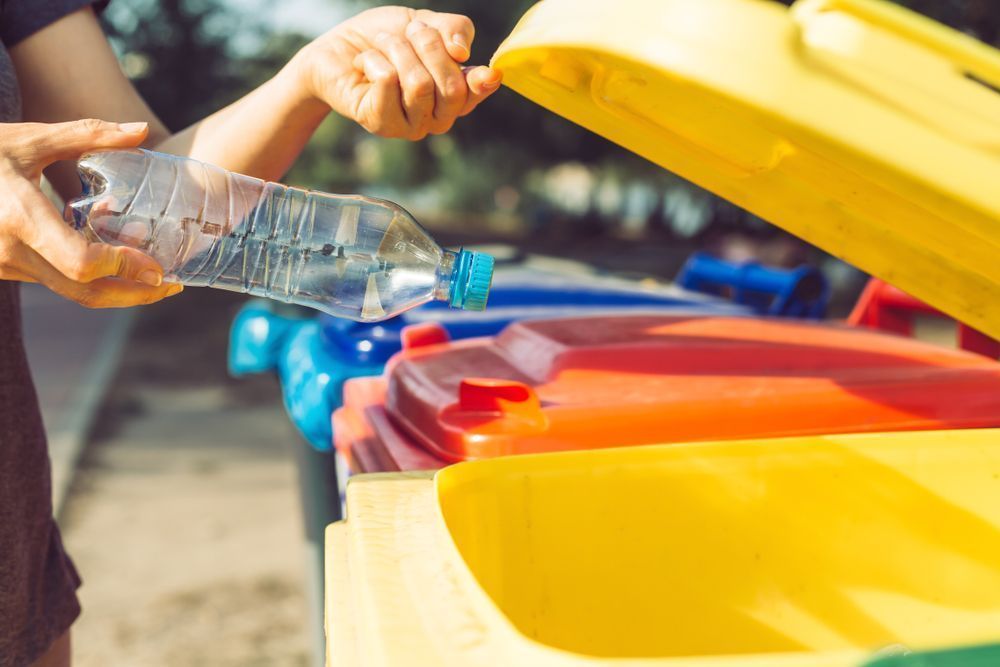
Recycle. It is pointless to imagine that everything can be used forever. But if nothing more can be done with an item, it doesn’t belong in the landfill – it’s better to recycle. This is when you need to sort your waste, as Ecopolitics discussed in a separate piece. Plastic bottles for recycling, paper for waste paper collection, metal for scrap, hazardous waste for special disposal. This should become your default behavior.
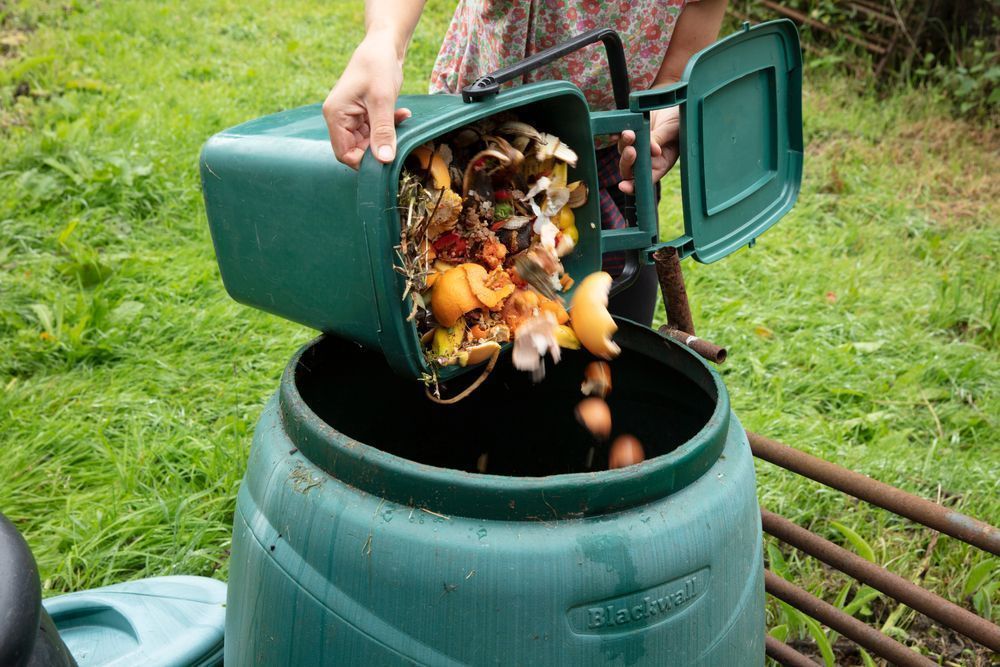
Rot – compost. A separate type of waste is food scraps and other organic matter. EcoPolitics reported that every year, humanity throws away up to 20% of edible food that is still fit for consumption. Households are responsible for a total of 60% of food waste. What is the solution? Composting. In private houses, this is easier to arrange, as you can organize special composters and use food scraps as well as grass or vegetable waste as fertilizer. For apartments, there are special small composters. The resulting matter can be used to fertilize houseplants or simply be spread under trees on adjoining grounds.
Larger scale
At the level of cities and states, these principles take on a more profound expression, supported by regulatory acts and restrictions. This includes municipal projects for separate waste collection and recycling, the installation of public composters, bans on the use of plastic tableware by businesses, and more.
In Europe, the zero-waste concept is promoted by the Zero Waste Europe network of organizations. It is dedicated to advancing a circular economy, developing recycling and reuse, and reducing waste and single-use plastics.
The Zero Waste movement is also represented in Ukraine. It operates in three sectors – cities, businesses, and at the household level. Several cities are already candidates for Zero Waste City status. Among them are Khmelnytskyi, Lviv, and Lutsk.