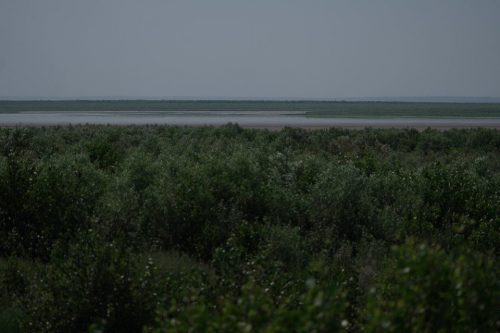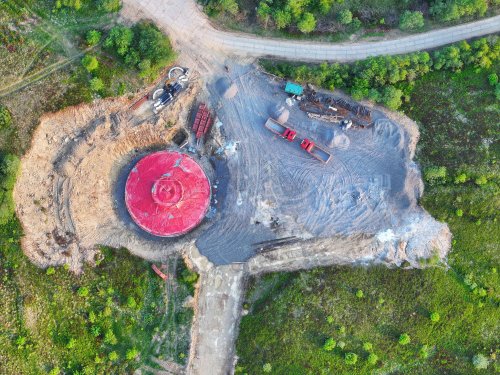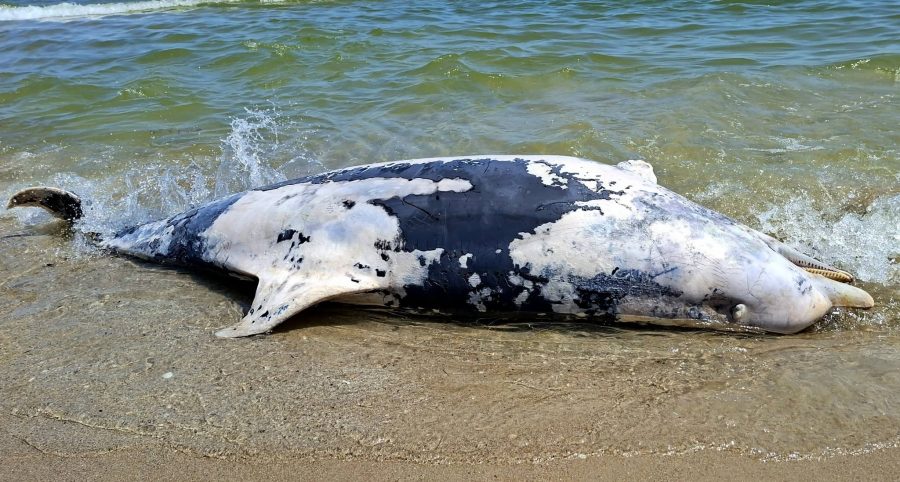
On 5 June, as the world marked World Environment Day, 22 dead cetaceans washed up on the shores of the Tuzly Estuaries National Park. This figure is described as unprecedented – during the full-scale invasion, there has never before been such a mass stranding of animals in a single day.
This was reported by Ivan Rusev, head of the scientific department of the nature reserve, on Facebook.
It is known that 20 of the bodies were Azov porpoises, with one each being a bottlenose dolphin and a white-sided dolphin. The scientist notes that only 25 km of the national park’s coastline has been surveyed, so this figure is not representative, as the scale of the emergency is many times greater.
"Over a vast stretch of thousands of kilometres of sea, thousands have likely been] washed ashore. It should also be understood that a significant proportion of the dead animals sink into the depths of the sea. And this tragedy, of course, is not localised," noted Ivan Rusev.
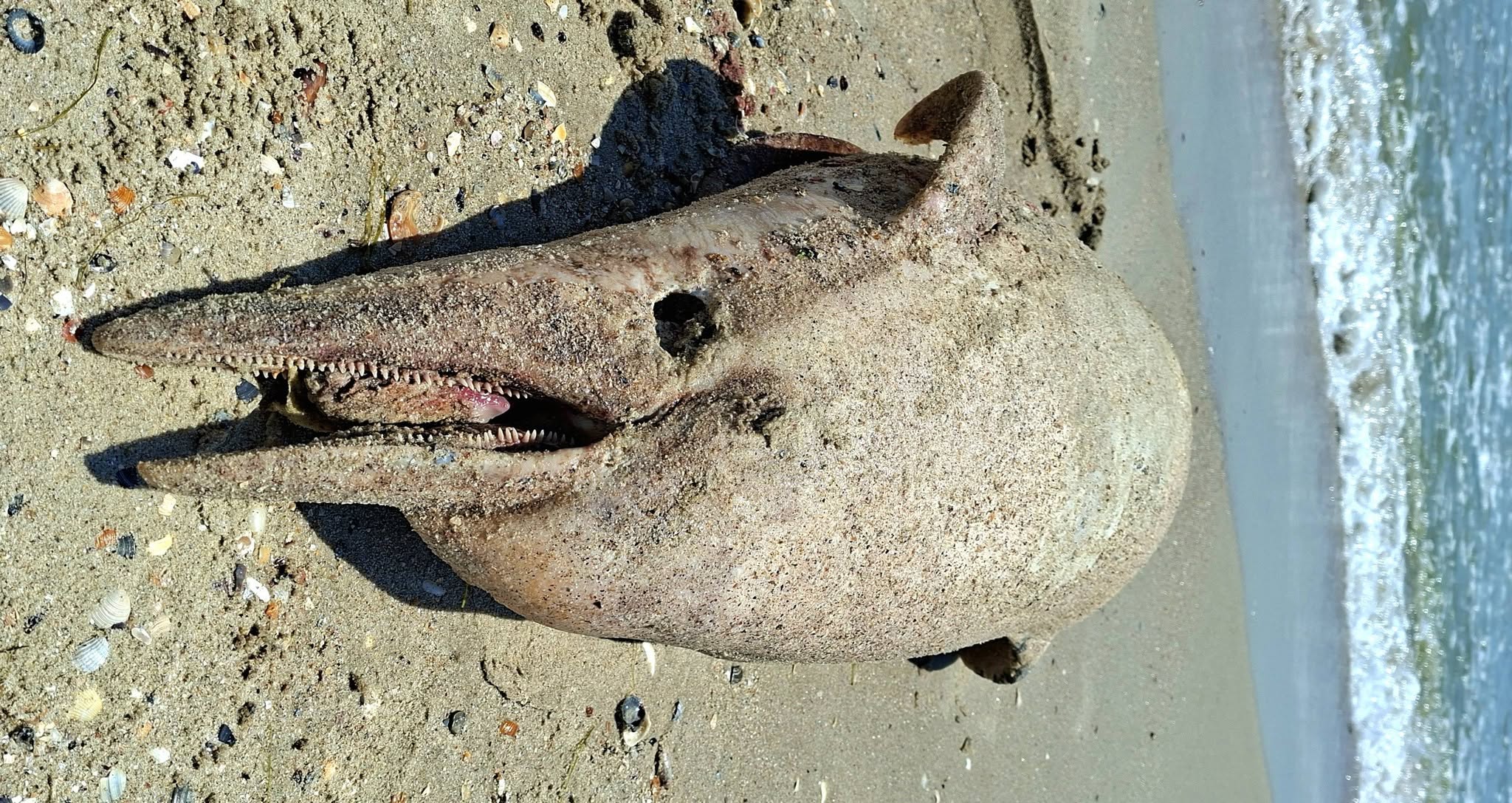
Source: Ivan Rusev on Facebook
International scale
According to the scientist, dead animals are being recorded along almost the entire Black Sea coastline. During May and early June, carcasses have also been found on the shores of Romania and Bulgaria.
Some dolphins were seen in a highly disoriented state, resembling severe symptoms of concussion.
Ivan Rusev directly names the main cause of dolphin deaths as the full-scale invasion of Russia along with related military activity.
“Due to the full-scale and barbaric war launched by Russia against Ukraine and against our entire environment, the Black Sea ecosystem has found itself on the verge of collapse. The continuous and deadly military impact – explosions, missile launches, the use of powerful sonars by warships – destroys biodiversity,” the scientist emphasized.
Combined impact
The death of dolphins is a marker of the large-scale environmental disaster currently unfolding in the Black Sea. Animals fall victim to the effects of chemical substances that cause irreversible damage to their internal organs.
An additional factor is acoustic terror. Explosions and missile launches disrupt dolphins' “navigation,” causing them to be carried ashore.
“Populations of unique Black Sea cetaceans are losing their viability, strength, and genetic capacity for recovery every day. If the world does not stop the aggressor, the Black Sea risks losing its unique inhabitants forever,” warns Ivan Rusev.
EcoPolitic previously reported on the causes of the mass death of dolphins in May 2026.