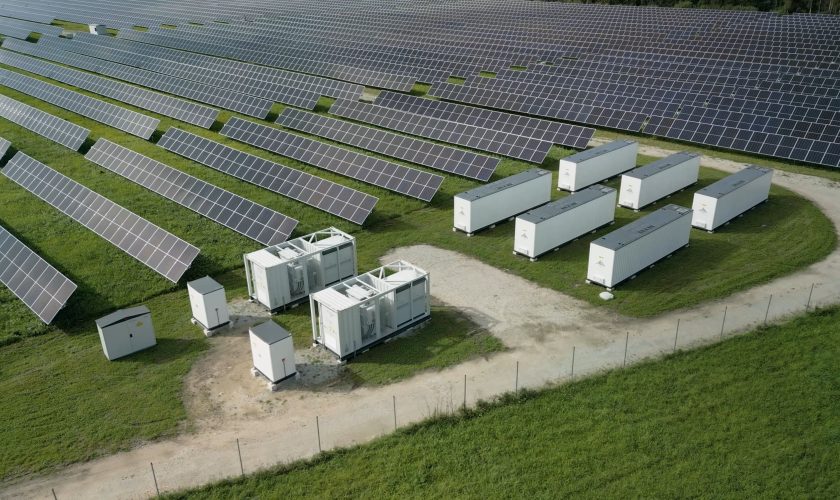
In just three years, energy storage systems in Ukraine have gone from a complete lack of equipment to a total capacity of 600 MW. This equipment helps balance the intermittent output of solar power.
This was reported by Interfax-Ukraine, citing a speech by Vitaliy Zaychenko, Chairman of the Board of NEC "Ukrenergo," at the Energy Storage Day 2026 event.
"In 2023, we had no energy storage systems at all; in 2024, we had just 2 MW; and now we have 600 MW. We are talking about growth not just by a factor of several times, but by a factor of 300," said Vitaliy Zaychenko.
Energy storage facilities (ESFs) are a relatively new component of Ukraine’s power grid, so they are developing rapidly. According to the head of Ukrenergo, technical specifications have already been issued for an additional 1.4 GW of such facilities.
Reasons for growth and connection features
The ESS sector is expanding in parallel with the development of solar energy.
"It is already clear that solar power plants cannot function effectively without ESS, as they create a large surplus during daylight hours. ESS help transfer this electricity to periods of higher consumption," stated the Chairman of the Board of Ukrenergo.
According to Vitaliy Zaichenko, some energy storage installations are connected to Ukrenergo’s grid, while others are connected to the distribution network. Currently, a simplified connection mechanism operates in Ukraine. In particular, ESS connected to regional power networks are not required to transmit telemetry.
An additional factor driving the rapid development of ESS is Ukrenergo's tenders for ancillary services. According to the head of the national power company, ESS became part of the winners, receiving payment guarantees.
A further driver of ESS development is the global decline in prices for energy storage equipment. According to the chairman of the parliamentary energy committee, Andriy Gerus, this has created an economic benefit for such projects.
EcoPolitic previously reported that in 2025, global battery prices reached a record low. This facilitated the development of combined projects in renewable energy using ESS.