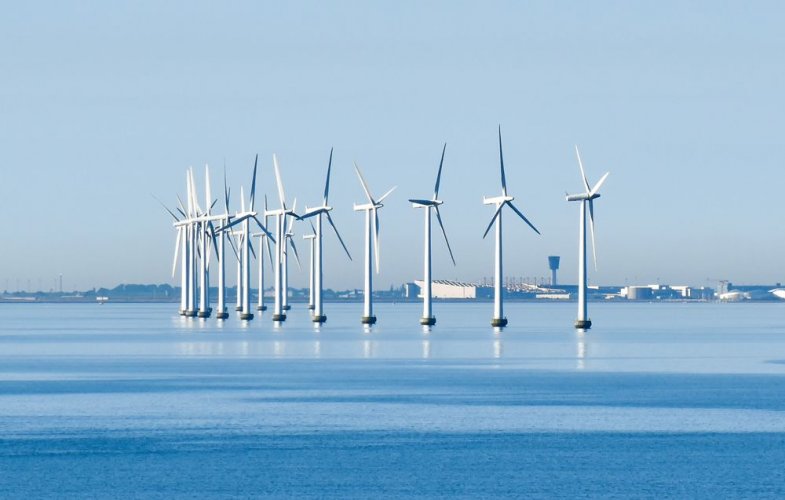
Wind energy is rapidly becoming a key technology in modern power systems. In 2025, 165 GW of new wind power capacity was added globally, a 40% increase over the previous year. Wind energy already plays a leading role in the energy mix of 138 countries worldwide.
This is evidenced by data from a new report by the Global Wind Energy Council (GWEC).
The development of wind energy is a response to new conditions—ranging from rising fossil fuel prices due to military conflicts to countries’ domestic policies on carbon-free energy.
"This progress has taken place against a backdrop of challenging conditions, including volatile fossil fuel prices, pressure on commodities, and rapid growth in electricity demand driven by digital infrastructure and new manufacturing," GWEC said, highlighting the main drivers of wind energy development.
Main findings of the report
The greatest increase was seen in onshore wind power, with a 42% rise and an additional 153.3 GW of capacity. Offshore wind energy contributed another 9 GW, reflecting an 18% growth in new generation.
China remained the undisputed leader, commissioning 120.5 GW of wind capacity. Together with India, these countries secured the highest growth in this energy segment across the Asian continent.
Europe took second place with 19 GW of new capacity. The anti-wind policy pursued by the new administration in the United States did not prevent the country from adding 7 GW of generation.
However, to achieve global wind energy goals, this is still not enough. The International Renewable Energy Agency stated that 320 GW of new wind capacity must be installed every year.
EcoPolitic previously reported that wind energy already produces every tenth kilowatt of electricity in the world.