Several EU countries had already met a number of targets under the Single-Use Plastics Directive (SUPD) by 2022. As the experience of successful countries shows, economic instruments—particularly extended producer responsibility (EPR)—are the most effective in reducing consumption.
This is evidenced by data from a report published by the European Commission.
Separate collection of bottles
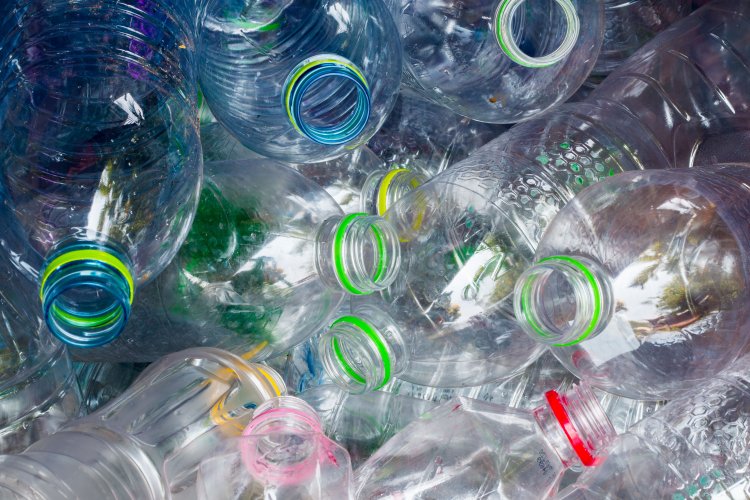
Overall, as of 2022, the EU has achieved a high level of separate collection of single-use plastic bottles. The average rate was 71%.
Some countries have exceeded their targets. In particular, Germany, Denmark, Sweden, Poland, Finland, Estonia, Lithuania, Belgium, Slovakia, and Croatia were able to reach the 2025 target—77% separate collection—ahead of schedule.
Six of these countries even reached the 2030 target of 90% collection. These are Denmark, Sweden, Estonia, Poland, Germany, and Finland.
The most effective mechanisms
Countries successful in collecting single-use plastics usually employ deposit return systems (DRS).
In general, economic instruments play a key role in the field of single-use plastics, including:
- obligations within the framework of extended producer responsibility (EPR);
- green public procurement tools.
Additionally, states actively conduct information campaigns to promote responsible plastic handling and advocate for sustainable alternatives.
Other single-use waste
The European Commission report also covers single-use food containers, cups, and fishing gear containing plastic.
- Containers. In total, 524,003 t of SUP food containers were sold in 2022, which amounts to 1.6 kg per person;
- Cups. In the EU during 2022, half a kilogram of this packaging per person was sold, totaling 152,037 t.
- Nets. 22,900 t of fishing gear containing plastic were placed on the market, of which about one third was collected as waste.
EcoPolitic reported that in Ukraine, a new draft law on the revision of the waste management system has been developed.
Also, at the end of 2025, a pilot project on EPR implementation was launched. The Ministry of Economy then emphasized that the project would help prepare a substantiated national strategy for EPR in packaging according to EU standards.