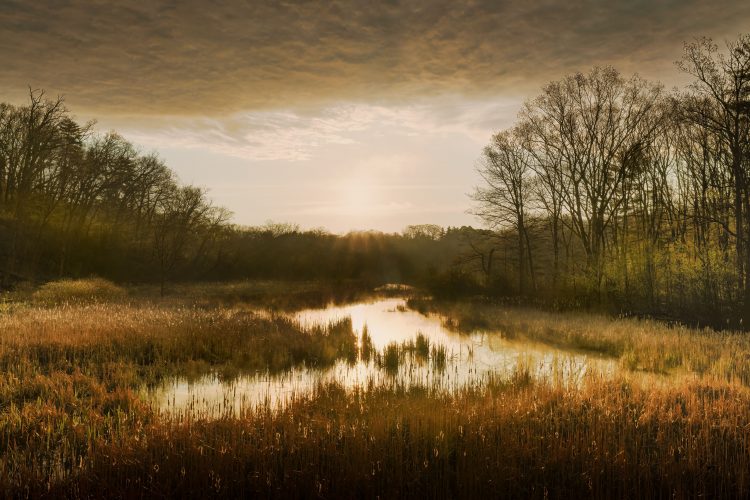
The fate of more than 2,300 hectares of wetlands in the "Berezina" area in Rivne Oblast is now in the hands of the Ministry of Economy, Environment, and Agriculture. The State Geological Service intends to put land with a valuable ecosystem up for auction for peat extraction. Activists say this is unacceptable and are calling on government officials to block this decision.
This information was revealed in a publication by the Ukrainian Nature Conservation Group (UNCG).
A unique area
The mining rights for the "Berezina" section of the Koza-Berezina deposit may be sold as a lot at auction. The 2,372.37-hectare area is located in the Varash district of Rivne Oblast, on the border with Volyn Oblast.
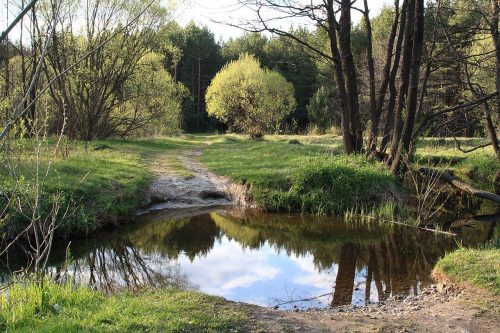
Environmental activists emphasize the value of wetlands as such. They play a crucial role in regulating the area’s water balance, preserving biodiversity, and ensuring climate security. “Berezina” has additional value.
“The 'Berezyina' bog is not only one of the largest preserved natural bogs in Ukraine, but is also situated right on the border with Rivne Nature Reserve; scientists from the reserve had already long ago prepared documents for including this area within its boundaries, since dozens of Red Data Book plant and animal species have been recorded there,” the conservation organization emphasizes.
Given these arguments, environmental activists urge the Ministry of Economy to deny the State Service of Geology and Mineral Resources’ request to auction off this valuable bog.
Earlier, the Ministry of Economy reported that it is working on a document to protect wetlands. The government regulation is expected to restrict the options for land use of such areas exclusively to those that do not harm the ecosystem.
EcoPolitic has previously reported that one of the factors in global water bankruptcy, according to the United Nations, is the loss of wetlands. Over the past 50 years, their area on the planet has decreased by more than 400 million ha, an amount equivalent to the size of the entire European Union.