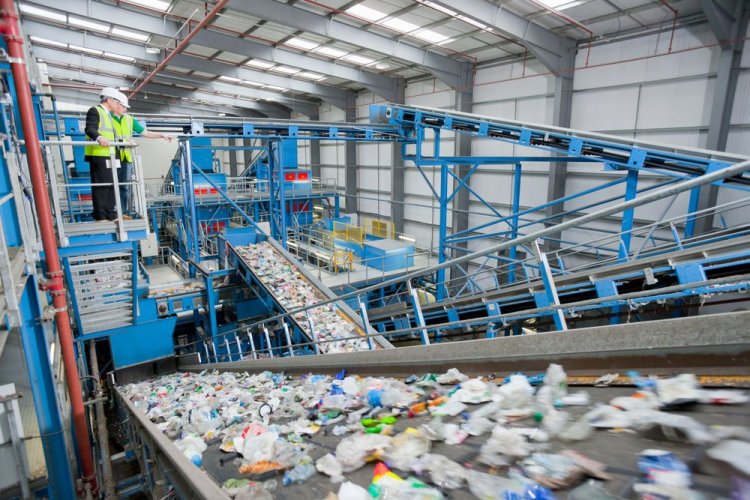
A €36.5 million waste treatment complex is set to be built in Khmelnytskyi. The Polish engineering firm Control Process S.A., which won the EBRD tender, may be awarded the contract. The firm is already notorious in Ukraine—due to a series of systematic violations, Lviv terminated its contract with the company for the construction of a waste processing plant.
According to ZAXID.NET, citing its own sources, the results of the tender are currently being finalized through formal procedures. The agreement will be officially signed once these procedures are completed.
The plant in Khmelnytskyi
The large-scale construction of a waste processing plant in Khmelnytskyi is one of the region’s largest projects in the environmental infrastructure sector.
The cost of the work is preliminarily estimated at €36.5 million. The city itself is co-financing only €3 million of this amount. The remaining funds consist of a loan from the European Bank for Reconstruction and Development (€28.5 million) and a grant from the European Union (€5 million).
The details of the tender are not yet known. Official information regarding the full list of participants and price proposals is currently unavailable. The publication learned of Control Process S.A.’s potential victory from its own sources.
Questionable reputation
The high-profile conflict over the construction of the plant in Lviv is not the only stain on the reputation of Control Process S.A. Prior to this, the company and its subsidiaries had repeatedly been involved in scandals in its home country of Poland.
In the city of Cielcza, the company was responsible for modernizing wastewater treatment facilities but failed to complete work worth tens of millions of zlotys, according to the municipal enterprise PWiK Jarocin, which terminated the contract. The contractor also ignored requests to provide financial statements and abandoned the construction site.
Similar work was to be carried out by a subsidiary of Control Process S.A in the city of Kolo. However, the contract with the local water utility was also terminated, and the case later proceeded to court.
In Lviv, the termination of the contract with the problematic contractor was announced on March 23. As EcoPolitic reported, the municipal enterprise “Zelene Misto” listed a long series of reasons for ending the cooperation, ranging from incomplete tasks to the failure to deliver part of the equipment purchased with EBRD funding.