Ukraine plans to establish a legislative framework for the creation of food banks. This system is already in place in Europe and the United States and helps both reduce the amount of food waste sent to landfills and assist vulnerable populations.
To establish a mechanism for Ukrainian food banks, the Ministry of Economy, Environment, and Agriculture has signed a memorandum with the Ukrainian Federation of Food Banks.
The severity of the problem
In Ukraine, approximately 2.7 million tons of food end up in landfills each year. The Ministry of Economy reported that a significant portion of this food was still fit for consumption at the time of disposal.
At the same time, according to data for 2025, 12.7 million Ukrainians are in need of humanitarian aid. This includes, in particular, low-income pensioners, people with disabilities, and internally displaced persons.
"Food products suitable for consumption should not be destroyed but should reach those who truly need support. This is how modern food security works: when the state, business, and the civil sector together reduce losses, help people, and at the same time reduce environmental pressure," – said Deputy Minister of Economy Taras Vysotskyi.
How does it work?
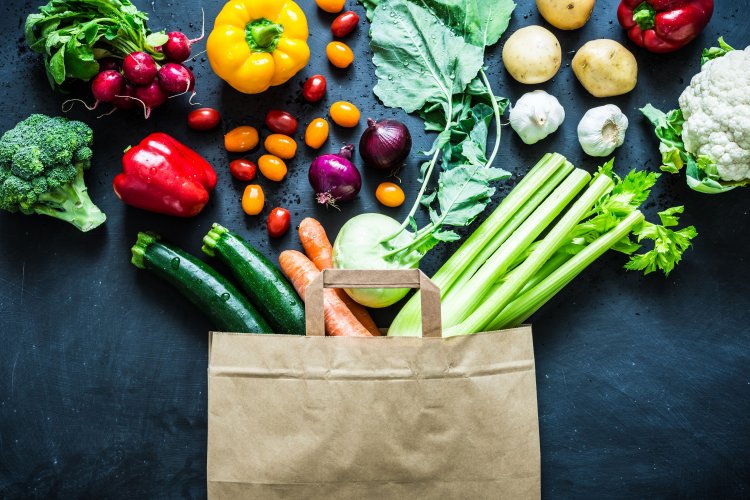
The mechanism applies to products approaching their expiration date. These items are still fit for consumption, but chances of them being purchased are extremely low. Therefore, manufacturers, retail chains, and suppliers transfer such products to the food bank, which collects them, forms packages, and distributes them further.
This approach helps people and reduces pressure on landfill sites for waste storage. Businesses also benefit by cutting their own disposal costs.
Legal and regulatory preparation
As part of the memorandum, there are plans to prepare legislative changes necessary to launch the food bank system in Ukraine. These include:
- developing a sector-specific law;
- establishing clear rules for the shelf life and consumption of products;
- introducing tax incentives for the transfer of food products;
- setting standards that would restrict the disposal of food suitable for consumption.
EcoPolitic previously reported which fruits and vegetables may rise sharply in price due to climate change.