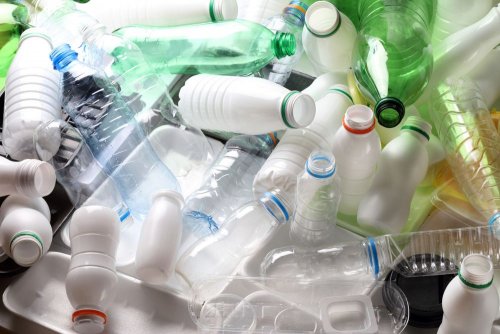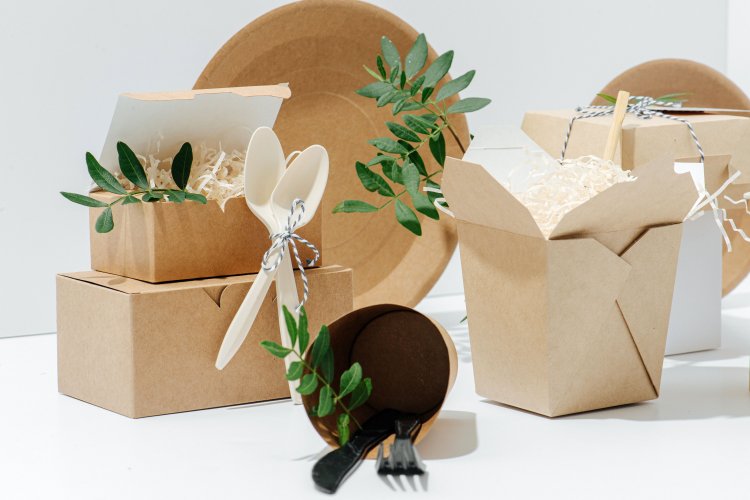
Disposable plastic tableware has become a common part of people’s lives. Picnics, food courts, food delivery—it all seems so convenient, since there’s nothing to wash. However, the harm it causes to the environment and people far outweighs its perceived convenience. As a result, the market offers a range of more eco-friendly alternatives. But are they all truly eco-friendly?
EcoPolitic decided to discuss the main types of eco-tableware and the risks associated with them.
What is eco-tableware?
This is a fairly general term for a wide range of disposable plates, cups, and cutlery that are supposedly less harmful to the environment. It is better than plastic because it decomposes faster or is recyclable.
Among eco-tableware, the following types can be distinguished:
- Biodegradable. This type is made from organic materials that, under composting conditions, are capable of decomposing within a few months. Such tableware can be made from corn starch, bamboo, or even palm leaves.
- Wooden. This mostly refers to cutlery such as forks, chopsticks, or spoons;
- Paper and cardboard.
Is eco-friendly tableware really safer?
In reality, this depends on many factors that the manufacturer may not disclose.
For example, to prevent biodegradable tableware from falling apart when exposed to moisture, special substances may be used in its production. Sometimes, an ultra-thin plastic layer may be applied to paper plates.
Even composting is not always straightforward. Sometimes, in order for such tableware to truly decompose, it needs to be pretreated. In a landfill, it may remain intact for years.
An important nuance regarding recycling: during sorting, the “biodegradable” nature of the tableware may go unnoticed, so instead of recycling, it ends up in the landfill.
What are the alternatives?
Despite all its downsides, eco-friendly tableware still causes less harm to the environment than plastic. The small amount of environmentally hazardous substances that may be used will have fewer negative consequences.
However, the best alternative is always reusable tableware, which does not end up in the trash after its first and only use. Taking such a set of dishes with you outdoors or asking a barista to pour your coffee into your own travel mug can become a useful everyday habit.
EcoPolitic previously reported that single-use plastic products are planned to be allocated to a new group for customs accounting at the border.
Plastic pollution is increasing worldwide. If the use of plastic is not restricted, by 2040 its quantity will double. As of 2025, 130 million t of plastic were entering the environment annually.